
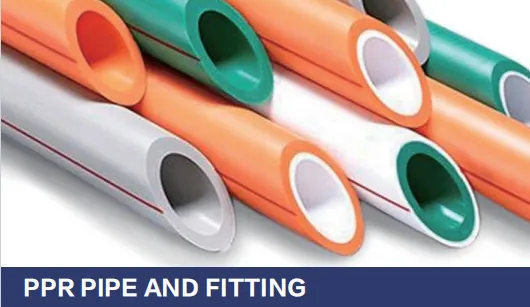
When we think about the buildings we live, work, and play in, we rarely stop to appreciate the silent systems that keep them running smoothly. Plumbing is one such unsung hero—quietly delivering clean water, removing waste, and ensuring our daily routines aren't disrupted by leaks, clogs, or inefficiencies. In today's world, where buildings are becoming smarter, more sustainable, and more demanding, the role of plumbing systems has evolved dramatically. At the heart of this evolution lies the PPR pipe and fitting supplier —a partner that doesn't just sell products but delivers PPR pipe and fitting solutions tailored to the unique needs of modern construction. Let's dive into what makes these suppliers essential, the core products they offer, and why choosing the right one can make or break a plumbing project.
Gone are the days when plumbing was a one-size-fits-all affair. Today's buildings—whether residential apartments, commercial offices, hospitals, or schools—require plumbing systems that can handle varying water pressures, temperatures, and usage demands. They also need to be durable, easy to install, and resistant to corrosion, scale, and chemical damage. This is where PPR (Polypropylene Random Copolymer) pipes and fittings shine. Unlike traditional materials like galvanized steel or copper, PPR offers a unique blend of flexibility, strength, and cost-effectiveness, making it a top choice for modern plumbing.
But PPR pipes are only as good as the supplier behind them. A reliable PPR pipe and fitting supplier doesn't just stock pipes and connectors; they understand the science of plumbing. They know that a single leak can lead to mold growth, structural damage, or even health risks. That's why they focus on quality at every step—from sourcing raw materials to manufacturing, testing, and delivering products that meet global standards. For builders, contractors, and project managers, partnering with such a supplier isn't just a purchase; it's an investment in peace of mind.
At first glance, you might think a PPR pipe and fitting supplier is simply a company that sells pipes and fittings. But in reality, they're much more. Think of them as a plumbing consultant, a quality watchdog, and a problem-solver all rolled into one. Here's what sets them apart:
Expertise in Material Science: PPR is a specialized material, and not all PPR pipes are created equal. A reputable supplier understands the nuances of polypropylene copolymer blends, how additives affect durability, and how manufacturing processes (like extrusion for pipes and injection molding for fittings) impact performance. They can explain why a certain PPR grade is better for hot water lines versus cold, or why a specific fitting design reduces pressure drop.
Focus on Solutions, Not Just Products: Every project has unique challenges. A school might need plumbing that's easy to maintain and resistant to vandalism. A hospital requires systems that prevent bacterial growth and meet strict hygiene standards. A high-rise apartment complex needs pipes that can handle vertical pressure and minimize noise. A top supplier doesn't just hand over a catalog; they listen to your project goals and recommend PPR pipe and fitting solutions that align with them. This could mean custom pipe lengths, specialized fittings for tight spaces, or even training your team on proper installation techniques.
Commitment to Compliance: Plumbing isn't just about function—it's about safety. PPR pipes and fittings must adhere to international standards like ISO 15874 (for PPR pipes) or DIN 8077/8078 (for fittings) to ensure they're safe for potable water, resistant to high temperatures, and capable of withstanding long-term use. A trustworthy supplier will happily share certification documents, test reports, and quality control processes, so you know you're not cutting corners.
Now that we understand the role of a PPR pipe and fitting supplier , let's explore the core products they offer. These are the building blocks of modern plumbing systems, designed to work together seamlessly to deliver efficient, leak-free performance.
PPR pipes are the stars of the show, and suppliers offer a range of options to suit different needs:
What makes PPR pipes stand out? Their smooth inner surface reduces friction, preventing scale buildup and ensuring consistent water flow. They're also resistant to corrosion from chemicals in water (like chlorine) and don't leach harmful substances, making them safe for drinking water. Plus, they're lightweight, which cuts down on transportation and installation costs—a win for both your budget and the environment.
If pipes are the lifelines, fittings are the joints that keep the system connected. A PPR pipe and fitting supplier offers a wide range of fittings, each designed for a specific purpose:
The key feature of PPR fittings is their ability to form a homogeneous bond with pipes during installation. Using a heat fusion machine, the pipe and fitting are melted and joined, creating a seamless, leak-proof connection that's as strong as the pipe itself. This is a game-changer compared to traditional threaded fittings, which can loosen over time or develop leaks due to corrosion.
Beyond individual pipes and fittings, suppliers offer bundled PPR pipe and fitting solutions for specific applications. For example:
You might be wondering: With so many plumbing materials available—like UPVC, PEX, or copper—why choose PPR? Let's break it down with a comparison table, including insights from other key suppliers like upvc pipe supplier and pex pipe and fitting supplier offerings:
| Feature | PPR (From PPR Pipe and Fitting Supplier) | UPVC (From UPVC Pipe Supplier) | PEX (From PEX Pipe and Fitting Supplier) |
|---|---|---|---|
| Material | Polypropylene Random Copolymer | Unplasticized Polyvinyl Chloride | Cross-Linked Polyethylene |
| Temperature Resistance | Up to 95°C (continuous use); short-term up to 110°C | Up to 60°C (not ideal for hot water) | Up to 95°C (continuous use); some grades up to 120°C |
| Pressure Rating (PN16) | 16 bar at 20°C; 6 bar at 95°C | 16 bar at 20°C; drops sharply above 40°C | 10 bar at 20°C; 4 bar at 95°C |
| Installation | Heat fusion (seamless, leak-proof bond) | Solvent cement (chemical bonding) | Crimp, clamp, or push-fit (mechanical connections) |
| Corrosion Resistance | Excellent (resistant to acids, alkalis, and scale) | Excellent (but can become brittle in cold temperatures) | Excellent (resistant to corrosion and scale) |
| Common Applications | Hot/cold water lines, HVAC, residential/commercial plumbing | Cold water lines, drainage, irrigation | Residential plumbing, radiant floor heating, potable water |
| Cost | Moderate (more than UPVC, less than copper) | Low (budget-friendly for cold water) | High (due to material and specialized tools) |
As the table shows, PPR strikes a balance between performance, versatility, and cost. It handles both hot and cold water, resists corrosion, and forms strong, permanent connections—making it a top choice for most modern plumbing projects. While UPVC is cheaper, it's limited to cold water, and PEX offers flexibility but at a higher cost. For many builders, PPR is the sweet spot.
A great PPR pipe and fitting supplier doesn't operate in a vacuum. They understand that plumbing systems are complex, with many moving parts, and they often partner with other specialists to offer a one-stop shop. For example:
Valves are critical for controlling water flow, and a plastic valve system supplier can provide options that work seamlessly with PPR pipes. Plastic valves (made from materials like PVC or PP) are lightweight, corrosion-resistant, and cost-effective. Suppliers might offer ball valves, gate valves, or check valves, ensuring you have the right control for every part of your system.
While PPR is ideal for most applications, some projects (like radiant floor heating or tight spaces where flexibility is key) might benefit from PEX. Many PPR suppliers also partner with pex pipe and fitting supplier networks to offer PEX options, giving you the flexibility to mix and match materials based on your needs.
For cold water lines, drainage systems, or irrigation, UPVC is a budget-friendly alternative. A upvc pipe supplier can provide these pipes, and your PPR supplier might bundle them with PPR products for a cohesive plumbing solution.
In construction, budgets are tight, and deadlines are tighte—tempting some to opt for cheaper, lesser-known suppliers. But when it comes to plumbing, this can backfire spectacularly. Here's why investing in a reputable supplier is worth every penny:
Quality Control: Cheap PPR pipes might use recycled or low-grade materials, leading to brittleness, cracks, or failure under pressure. Reputable suppliers test every batch for strength, temperature resistance, and chemical stability, ensuring compliance with standards like ISO and ASTM.
Technical Support: Ever tried installing PPR pipes and realized you're not sure which fitting to use? A good supplier offers technical support—whether it's helping you calculate pipe sizes, recommending pressure ratings, or troubleshooting installation issues. This can save hours of frustration and costly mistakes.
Long-Term Durability: PPR pipes are designed to last 50+ years, but only if they're made well. A reliable supplier stands behind their products with warranties, giving you confidence that your plumbing system will perform for decades, not just years.
Sustainability: Modern construction demands eco-friendly solutions, and top suppliers prioritize sustainability. They use recyclable materials, minimize waste in manufacturing, and offer pipes that reduce energy use (e.g., PPR's smooth surface reduces pump energy costs). This not only helps the planet but can also earn LEED points for your project.
Plumbing might not be the most glamorous part of construction, but it's one of the most critical. A well-designed, high-quality plumbing system ensures comfort, safety, and efficiency for years to come. And at the center of that system is the PPR pipe and fitting supplier —a partner that brings expertise, quality, and tailored PPR pipe and fitting solutions to the table.
Whether you're building a single-family home, a hospital, or a commercial complex, choosing the right supplier isn't just about buying pipes and fittings. It's about investing in a plumbing system that can keep up with the demands of modern life. So, take the time to research, ask for certifications, and choose a supplier that prioritizes your project's success as much as you do. After all, when it comes to plumbing, there's no room for compromise.
Recommend Products












