
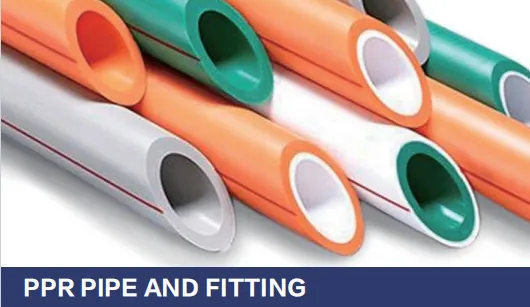
Plumbing is the silent backbone of any building—whether it's a cozy family home, a bustling office tower, or a state-of-the-art hospital. It carries life-giving water, removes waste, and ensures daily operations run smoothly. Yet, despite its importance, many construction projects still rely on generic, one-size-fits-all plumbing materials, only to face leaks, inefficiencies, or compliance issues down the line. The truth is, every building has unique plumbing needs, shaped by its purpose, size, location, and even the people who use it. This is where a dedicated PPR pipe and fitting supplier steps in—not just as a vendor, but as a partner that crafts tailored PPR pipe and fitting solutions to turn challenges into seamless, long-lasting results.
Before diving into custom solutions, let's start with the basics: PPR (Polypropylene Random Copolymer) pipes and fittings are a modern alternative to traditional materials like copper or PVC. Made from a durable, heat-resistant plastic, PPR pipes offer a unique blend of flexibility, strength, and affordability that makes them ideal for both hot and cold water systems. Unlike rigid copper, they're easy to install and resistant to corrosion; unlike some PVC variants, they can handle high temperatures (up to 95°C) without warping or degrading. These qualities have made PPR a go-to choice for residential, commercial, and industrial plumbing projects worldwide.
But here's the catch: not all PPR is created equal. Standard PPR pipes might work for simple projects, but when a building has specific demands—like a high-rise commercial complex needing high-pressure water distribution, or a hospital requiring antimicrobial surfaces—off-the-shelf options fall short. This is where a residential building materials supplier or commercial building materials supplier with a focus on customization becomes invaluable. They don't just sell pipes; they design solutions that align with the project's unique DNA.
To understand why custom PPR solutions are critical, let's look at how plumbing requirements vary across different building types:
A family home might seem straightforward, but modern residential designs often include multiple bathrooms, kitchens, and even outdoor spaces like gardens or pools. Each area has different water pressure needs: a master bathroom with a rainfall shower requires higher flow rates than a guest bathroom's half-shower. Add in underfloor heating systems or smart home integrations (like sensor-based faucets), and the plumbing layout becomes a puzzle. A generic PPR pipe might not withstand the constant temperature fluctuations of underfloor heating, or might restrict water flow in areas that need it most.
Commercial buildings—offices, malls, hotels—operate on a larger scale. Imagine a 20-story office tower with 500+ employees: peak morning hours see a surge in water usage as everyone arrives, washes hands, or makes coffee. The plumbing system must handle sudden spikes in demand without dropping pressure or causing leaks. Hotels, too, have unique needs: guest rooms require quiet pipes (no one wants to hear water rushing through walls at 2 a.m.), while kitchens need heat-resistant pipes to handle hot water from dishwashers and sinks.
Hospitals, schools, and laboratories have non-negotiable standards. Hospitals need plumbing that resists bacterial growth to prevent infections; schools require child-safe, durable fittings that can withstand rough use. In these cases, even small flaws—like a pipe that leaches chemicals or a fitting that's hard to clean—can have serious consequences. Generic PPR pipes rarely meet these specialized demands, which is why custom solutions are not just preferred, but required.
A PPR pipe and fitting supplier that prioritizes customization doesn't just sell products—they solve problems. Here's how they turn unique requirements into actionable solutions:
| Project Type | Key Challenge | Custom PPR Solution | Outcome |
|---|---|---|---|
| Luxury Residential Complex | Varying water pressure across 10 floors; noise reduction for high-end units | Variable-thickness PPR pipes (20mm–32mm) with sound-dampening layers; custom elbow fittings to reduce flow turbulence | Consistent pressure on all floors; 50% reduction in water flow noise |
| Urban Office Tower | Peak-hour water demand spikes; quick installation to meet tight deadlines | High-pressure PPR pipes (PN25 rating); pre-assembled fitting kits for faster on-site assembly | Handled 3x normal flow during peak hours; installation time cut by 25% |
| Children's Hospital | Antimicrobial requirements; compliance with healthcare safety standards | Silver-ion infused PPR pipes; smooth, crevice-free fittings for easy cleaning; Class A fire-resistant insulation | Passed hospital infection control audits; zero bacterial growth in 12-month testing |
Not all PPR is the same. A custom supplier starts by analyzing the project's environment: Is the water supply hard (high mineral content)? Will the pipes be exposed to sunlight or extreme temperatures? For coastal areas with salty air, they might add corrosion-resistant additives to the PPR blend. For hospitals, antimicrobial agents like silver ions can be integrated to inhibit bacterial growth. These small tweaks make a big difference in longevity and safety.
Standard PPR pipes come in fixed lengths (usually 4m or 6m), but unique building layouts—like curved walls or tight crawl spaces—often need shorter or irregularly shaped sections. A custom supplier can cut pipes to exact lengths, create bent fittings for awkward angles, or even design modular pipe networks that snap together like building blocks. This flexibility reduces waste (no more cutting 6m pipes into 1m pieces!) and speeds up installation.
Regulations vary by region and building type. A school in Saudi Arabia, for example, might need pipes certified for potable water by the Saudi Standards, Metrology and Quality Organization (SASO). A hospital in Europe could require compliance with ISO 10508 for medical gas systems. A reputable supplier doesn't just provide materials—they guide clients through certification, providing test reports, material data sheets, and on-site inspections to ensure every pipe and fitting meets local and international standards.
The best PPR pipe and fitting suppliers don't operate in isolation. They're part of a larger ecosystem as a one-stop architectural solution provider , offering everything from wall panels to flooring, ensuring consistency and coordination across the entire project. For example, a commercial builder working on a hotel might need PPR pipes for plumbing, bamboo charcoal board wall panels for guest rooms, and terrazzo tiles for lobbies. By sourcing these from a single supplier, they avoid mismatched timelines, conflicting material specs, or communication gaps between vendors. It's about making construction simpler, more efficient, and less stressful—because building a structure is hard enough without juggling a dozen different suppliers.
This one-stop approach is especially valuable for residential and commercial building materials suppliers catering to diverse markets like Saudi Arabia, where construction projects often blend modern design with local cultural needs. A supplier that understands both PPR pipe specifications and the aesthetic preferences of Saudi clients (e.g., natural stone cladding or intricate tile work) can deliver solutions that are functional, compliant, and visually cohesive.
Not all suppliers are created equal. When selecting a PPR pipe and fitting partner, prioritize these qualities:
Plumbing might not be the most glamorous part of construction, but it's one of the most critical. A leaky pipe can disrupt a family's morning routine, shut down a hospital ward, or delay the opening of a new office. That's why choosing the right PPR pipe and fitting supplier isn't just a business decision—it's an investment in reliability, safety, and peace of mind. By prioritizing customization, compliance, and a one-stop approach, these suppliers transform unique plumbing requirements from obstacles into opportunities to build better, smarter, and more resilient structures.
Whether you're building a home, a skyscraper, or a hospital, the right PPR pipe and fitting solutions don't just fit your project—they elevate it.
Recommend Products












