
Walk into any hardware store or chat with a contractor about plumbing, and you'll quickly hit a common crossroads: PPR pipes or copper pipes? It's a question we hear daily as a ppr pipe and fitting supplier —homeowners, builders, and even seasoned plumbers trying to decide which material will serve their project best. After all, plumbing isn't just about moving water; it's about reliability, cost-effectiveness, and peace of mind for years to come. In this guide, we'll break down the battle between ppr pipe and fitting solutions and traditional copper pipes, focusing on the two factors everyone cares about most: cost and performance. By the end, you'll have a clear picture of which option aligns with your needs, whether you're renovating a bathroom, building a new home, or upgrading a commercial space.
Before diving into costs and performance, let's make sure we're on the same page about the materials themselves. It's hard to choose between two options if you don't know what makes each tick.
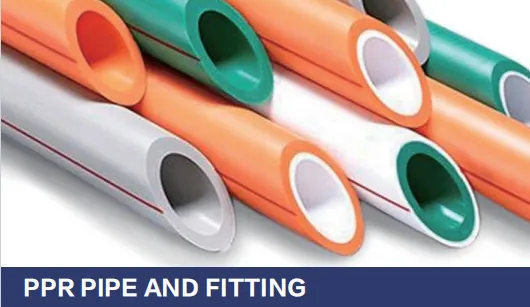
PPR stands for polypropylene random copolymer—a mouthful, we know, but essentially, it's a type of plastic pipe engineered for strength, flexibility, and resistance to heat and chemicals. Think of it as the new kid on the block with some serious upgrades. PPR pipes are made by melting and molding polypropylene resin, which results in a smooth, durable tube that's lightweight and easy to handle. They're commonly used for hot and cold water supply systems, heating systems, and even industrial applications where corrosion resistance is key. As a ppr pipe and fitting solutions provider, we've seen their popularity skyrocket over the past decade, and it's not hard to see why: they're designed to solve many of the pain points that have long plagued traditional plumbing materials.
Copper, on the other hand, is the grandparent of plumbing materials. For decades—centuries, even—copper has been the go-to for pipes, valued for its durability and ability to withstand high temperatures. Walk into an older home, and chances are the plumbing lines are made of shiny, reddish copper. It's a material with a reputation: reliable, sturdy, and (let's be honest) a bit iconic. Copper pipes are made by drawing or extruding copper alloy into tubes, and they're joined using soldering—a process that involves heating the metal and melting a filler material to seal the joints. For many, copper feels like a "safe" choice because it's been around so long, but as with any veteran, there are both strengths and weaknesses that come with age.
Let's cut to the chase: cost is often the first thing people ask about. But here's the thing—cost isn't just about the price tag on the pipe itself. It's about the total investment: materials, installation, maintenance, and even replacement down the line. Let's break it down step by step.
If you're comparing raw material costs per meter (or foot), PPR pipes are almost always the cheaper option. On average, copper pipes can cost 2–3 times more than PPR pipes of the same diameter. For example, a 20mm diameter copper pipe might run you $5–$8 per meter, while a similar PPR pipe would be closer to $2–$4 per meter. That difference adds up fast, especially in larger projects. A typical 100-square-meter home might need 50–100 meters of piping, which could mean saving hundreds (or even thousands) of dollars upfront with PPR. Of course, prices can vary based on brand, quality, and supplier—so it's always smart to get quotes from a reputable pipes fittings solutions provider—but the trend is clear: PPR wins the initial cost race.
Here's where the gap widens even more. Copper pipe installation is a skilled trade. It requires soldering (also called "sweating"), which involves heating the pipes and fittings with a torch and melting solder to create a seal. That means hiring a plumber with experience in soldering, and it takes time—each joint can take 5–10 minutes to complete, not including setup and cooling time. Labor costs for copper installation can range from $80–$150 per hour, depending on your location. Plus, there's the cost of tools: torches, solder, flux, and protective gear, which adds to the total bill.
PPR installation, on the other hand, is much simpler. It uses heat fusion: a tool heats the pipe and fitting to a specific temperature, and they're pressed together to form a seamless bond. This process is faster (a joint takes 1–2 minutes) and requires less specialized skill—many contractors can learn it in a day. Labor costs for PPR installation are often 30–50% lower than copper, and the tools are more affordable and reusable. For a mid-sized project, installation savings alone can offset any minor differences in material costs.
Initial costs are important, but what about the long run? Let's talk maintenance and lifespan. Copper pipes have a reputation for longevity—they can last 50+ years if properly installed and maintained. But "properly maintained" is the key phrase. Copper is susceptible to corrosion, especially in areas with acidic or soft water. Over time, corrosion can lead to pinhole leaks, which are expensive to fix (think drywall repair, water damage, and plumber fees). In some cases, entire sections of copper piping may need to be replaced after 20–30 years if water conditions are harsh.
PPR pipes, on the other hand, are corrosion-resistant by nature. They don't react to water pH levels, chemicals, or minerals, so they're much less likely to develop leaks over time. Most PPR manufacturers guarantee a lifespan of 50+ years under standard conditions, and many projects have shown they can last even longer. Maintenance? Minimal. No need for anti-corrosion treatments or regular inspections for leaks—just install and forget. When you factor in the cost of potential copper repairs (which can run $200–$500 per leak), PPR becomes even more cost-effective over the decades.
Cost is one side of the coin; performance is the other. A cheap pipe that fails after a year isn't a bargain. Let's dig into how PPR and copper perform in real-world conditions.
We touched on lifespan earlier, but let's get specific. Copper pipes can last 50+ years in ideal conditions—low-acid water, no extreme temperature fluctuations, and proper installation. But in practice, many factors can shorten that lifespan. For example, if your water has high chloride levels (common in some coastal areas), copper can corrode much faster. Similarly, freezing temperatures can cause copper pipes to burst, as copper is rigid and doesn't expand much. PPR pipes, while also rigid, have more flexibility than copper, making them less likely to burst in freezing conditions (though, to be clear, no pipe is completely freeze-proof—insulation is still a must in cold climates).
PPR's durability also shines in high-pressure systems. Most PPR pipes are rated for pressures up to 10–16 bar (145–232 psi) at 20°C, which is more than enough for residential and most commercial applications. Copper can handle similar pressures, but again, corrosion weakens the metal over time, reducing its pressure-bearing capacity.
Corrosion is copper's Achilles' heel. While copper is naturally resistant to some corrosion, it's not immune. Two common issues are "pitting corrosion" (small holes caused by aggressive water) and "dezincification" (when zinc leaches out of brass fittings, weakening them). These issues are more common in areas with soft water, high oxygen levels, or water treated with chlorine. The result? Leaks, reduced water pressure, and even contaminated water in severe cases.
PPR pipes, being plastic, are completely corrosion-resistant. They don't react with water, chemicals, or minerals, so there's no risk of pitting, rust, or scaling. That means cleaner water (no metal particles leaching into the supply) and fewer leaks. For homeowners with well water or water that's hard/soft, this is a huge advantage. We've worked with clients who switched from copper to PPR after dealing with recurring leaks, and the difference in peace of mind is palpable.
Copper has long been favored for hot water systems because it can handle high temperatures—up to 200°C, though in plumbing, it's rarely exposed to more than 82°C (180°F). PPR pipes, however, are also designed for hot water. Most standard PPR pipes can handle temperatures up to 70°C (158°F) continuously, and some high-temperature PPR grades (like PPR-C) can go up to 95°C (203°F). For residential hot water systems (which typically heat water to 50–60°C), standard PPR is more than sufficient. Commercial applications with higher temperatures (like industrial boilers) might require specialized PPR, but for most homes and offices, it's a non-issue.
When it comes to pressure, as we mentioned earlier, PPR and copper are comparable at room temperature. But here's a catch: copper's pressure rating decreases as temperature rises. At 82°C, a copper pipe's pressure rating drops by about 50%, while PPR's rating decreases more gradually. For example, a 20mm PPR pipe rated for 16 bar at 20°C might still handle 6 bar at 70°C, which is more than enough for most hot water systems.
The inner surface of a pipe affects water flow. Copper pipes, especially older ones, can develop mineral deposits (like limescale) over time, which narrow the pipe and reduce flow rate. PPR pipes have a smooth, non-porous inner surface that resists scaling, so water flows more freely. This means better water pressure and less energy wasted pumping water through the system. In fact, some studies have shown that PPR pipes can maintain up to 10–15% higher flow rates than copper pipes of the same diameter after 10+ years of use.
Copper is an excellent conductor of heat, which sounds good until you realize it means hot water pipes lose heat quickly, and cold water pipes can sweat (condensation) in humid environments. That's why copper pipes often need insulation to prevent energy loss and moisture damage. PPR, being a plastic, has low thermal conductivity—it insulates better naturally. Hot water stays hot longer, cold water stays cold, and there's less need for extra insulation. This can lead to small but noticeable energy savings over time, especially in homes with hot water recirculation systems.
| Factor | PPR Pipes | Copper Pipes |
|---|---|---|
| Initial Material Cost | Lower ($2–$4 per meter) | Higher ($5–$8 per meter) |
| Installation Cost | Lower (heat fusion, $40–$80/hour labor) | Higher (soldering, $80–$150/hour labor) |
| Maintenance Cost | Minimal (no corrosion, rare leaks) | Higher (potential corrosion, leak repairs) |
| Expected Lifespan | 50+ years (corrosion-free) | 50+ years (ideal conditions, shorter in harsh water) |
| Corrosion Resistance | Excellent (no reaction with water/chemicals) | Good (but susceptible to pitting/dezincification) |
| Max Temperature | 70–95°C (standard to high-temperature grades) | Up to 200°C (but rarely needed in plumbing) |
| Flow Rate | High (smooth inner surface, no scaling) | Decreases over time (mineral buildup) |
| Thermal Conductivity | Low (insulating, less heat loss) | High (requires insulation to prevent heat loss/sweating) |
While PPR has clear advantages in cost and many performance areas, there are still situations where copper might be the better choice. Let's break down the best applications for each.
So, which is better? For most modern projects, we lean toward PPR pipe and fitting solutions. They offer lower upfront and installation costs, better long-term durability (especially in harsh water conditions), and comparable performance for residential and commercial plumbing needs. The only real downside? Copper's long-standing reputation as the "tried and true" option. But as more contractors and homeowners experience PPR's reliability, that reputation is quickly shifting.
That said, every project is unique. If you're working on a historical home, have specific aesthetic needs, or live in an area with strict copper-only codes, copper might still be the way to go. The key is to weigh your priorities: cost, installation speed, maintenance, and local conditions. As a ppr pipe and fitting supplier , we're happy to help you assess your project and find the right solution—whether that's PPR, copper, or a mix of both.
Plumbing is one of those things you don't think about—until it goes wrong. Choosing the right pipes is an investment in your home or building's future, and it's not a decision to take lightly. PPR pipes have revolutionized the industry by offering a cost-effective, durable alternative to copper, and for most people, they're the smart choice. But don't just take our word for it—talk to a pipes fittings solutions expert, get quotes, and ask about real-world projects similar to yours. At the end of the day, the best pipe is the one that meets your needs, fits your budget, and gives you peace of mind for decades to come.
Recommend Products












