
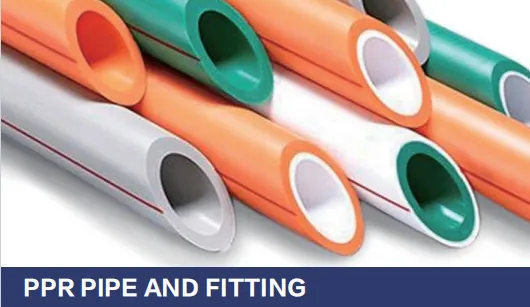
Embarking on a construction project—whether it's a cozy residential home, a bustling commercial complex, or a critical public facility—requires meticulous planning, especially when it comes to the systems that keep the building functional. Among these, plumbing systems stand out as the "circulatory system" of any structure, and at the heart of modern plumbing lies a material that has revolutionized reliability and efficiency: PPR pipes and fittings. But before the first pipe is laid or the first fitting is tightened, pre-construction planning sets the foundation for success. This guide dives into the essentials of planning for PPR pipe and fitting solutions, ensuring your project avoids common pitfalls, stays on budget, and delivers a plumbing system that stands the test of time.
To plan effectively, you first need to understand what makes PPR (Polypropylene Random Copolymer) pipes and fittings a top choice for both residential and commercial projects. Unlike traditional materials like copper or galvanized steel, PPR offers a unique blend of durability, flexibility, and cost-effectiveness. Its molecular structure resists corrosion, scaling, and chemical degradation, making it ideal for transporting hot and cold water, as well as non-potable liquids in industrial settings. What truly sets PPR apart, though, is its heat resistance—withstanding temperatures up to 95°C (203°F) and pressures up to 10 bar, depending on the specification—ensuring it can handle the demands of everything from a family's daily showers to a hotel's 24/7 hot water needs.
But PPR isn't just a material; it's a system. PPR pipe and fitting solutions encompass a range of components—pipes, elbows, tees, valves, and connectors—all designed to work seamlessly together. When installed correctly using heat fusion, the joints become monolithic, eliminating leaks and reducing maintenance costs over time. This cohesion is why architects, contractors, and project managers increasingly turn to PPR as a reliable alternative to older materials, especially when partnering with a knowledgeable PPR pipe and fitting supplier who understands how to tailor these solutions to specific project needs.
No two projects are alike, and the first step in pre-construction planning is to map out your project's unique demands. Whether you're a residential building materials supplier working on a 50-unit apartment complex or a commercial building materials supplier overseeing a hospital renovation, understanding the differences in PPR requirements is critical. Let's break down the key variables:
| Project Type | Pressure Requirements | Pipe Size Range | Primary Applications | Supplier Considerations |
|---|---|---|---|---|
| Residential | Low to Medium (≤6 bar) | 20mm – 63mm | Potable water lines, heating systems, drainage | Cost-effectiveness, availability of standard sizes, local stock |
| Commercial | Medium to High (6–10 bar) | 32mm – 160mm+ | Large-scale water distribution, HVAC systems, industrial fluid transport | Customization options, compliance with industry standards, bulk supply capacity |
For residential projects, the focus is often on affordability and ease of installation. A 3-bedroom home, for example, might require 20mm–32mm PPR pipes for water supply lines, with standard fittings to navigate tight spaces between walls and floors. Here, a residential building materials supplier might prioritize partnering with a PPR pipe and fitting supplier that offers pre-packaged kits for common layouts, reducing the risk of over-ordering or material waste.
Commercial projects, on the other hand, demand more robust solutions. A hospital, for instance, needs consistent water pressure to serve operating rooms, patient suites, and laundry facilities, requiring larger-diameter pipes (50mm–110mm) and high-pressure fittings. Similarly, a hotel with hundreds of rooms will have peak-demand periods (e.g., morning showers) that test the system's flow rate. In these cases, a commercial building materials supplier must collaborate with a PPR pipe and fitting supplier that can provide technical support—such as hydraulic calculations to ensure pipe sizing matches demand—and materials certified for high-stress environments.
Your choice of PPR pipe and fitting supplier can make or break your project. A supplier isn't just a source of materials; they're a partner in your project's success. So what should you look for when evaluating potential suppliers?
1. Quality and Certification: Not all PPR is created equal. Reputable suppliers will provide materials certified by international standards like ISO 15874 (PPR pipes for hot and cold water) or DIN 8077/8078 (fittings), ensuring they meet safety and performance benchmarks. For commercial projects, ask about compliance with local regulations—for example, Saudi Arabia's SASO standards or Europe's CE marking. A trustworthy supplier will readily share test reports and certifications, giving you confidence that their PPR pipe and fitting solutions won't fail under pressure.
2. Range of Solutions: A one-size-fits-all approach rarely works. The best PPR pipe and fitting suppliers offer a diverse product line, from standard pipes and fittings to specialized components like pressure-reducing valves, check valves, and manifolds. This is especially important for complex projects: imagine needing a custom elbow for a tight corner in a hospital's ceiling or a high-temperature fitting for a commercial kitchen's steam line. A supplier with a broad catalog can adapt to these needs, saving you time and avoiding delays.
3. Technical Expertise: Pre-construction planning often involves questions: "What pipe size do I need for a 200-person office?" "How do I calculate pressure drop in a long pipe run?" A knowledgeable supplier will have a team of engineers or technical consultants who can answer these questions, provide CAD drawings, or even conduct on-site assessments. For example, if you're a residential building materials supplier unsure about integrating PPR with existing copper lines in a renovation, a supplier with expertise can recommend transition fittings and installation techniques to ensure compatibility.
4. Reliability and Logistics: Delays in material delivery can derail timelines and inflate costs. Look for suppliers with a proven track record of on-time deliveries, even during peak construction seasons. Ask about their inventory management—do they maintain local warehouses, or will materials need to be shipped from overseas? For large-scale projects, inquire about bulk ordering discounts and flexible delivery schedules. A supplier that can align with your project's timeline is worth their weight in PPR pipes.
In construction, non-compliance isn't just a headache—it can lead to failed inspections, costly rework, or even legal liability. When planning for PPR pipe and fitting solutions, staying on the right side of regulations is non-negotiable. Here's what you need to consider:
Material Safety: PPR pipes and fittings must be safe for potable water systems, meaning they should be lead-free and non-toxic. Look for certifications like NSF/ANSI 61 (for drinking water system components) or WRAS (Water Regulations Advisory Scheme) approval, which ensure the materials won't leach harmful substances into the water supply. For commercial projects like schools or hospitals, this is doubly critical—regulators often require stricter testing to protect vulnerable populations.
Pressure and Temperature Ratings: PPR pipes are rated for specific pressure-temperature combinations, often listed as PN (Pressure Nominal) values (e.g., PN10, PN16). A PN10 pipe, for instance, can handle 10 bar at 20°C but only 4.5 bar at 95°C. Your project's design must match the pipe's rating to the system's maximum operating conditions. A reputable PPR pipe and fitting supplier will provide detailed pressure-temperature charts to help you select the right grade.
Local Building Codes: Every region has its own rules. In Saudi Arabia, for example, the Ministry of Municipal and Rural Affairs (MOMRA) sets standards for plumbing systems, including pipe sizing, installation depth, and insulation requirements. In Europe, EN 806 outlines the design of water supply systems, specifying flow rates and pressure losses. Ignoring these codes can result in failed inspections; your supplier should be familiar with local regulations and help you select PPR pipe and fitting solutions that comply.
Fire Safety: While PPR itself is not fire-resistant, some projects—like hospitals or schools—require plumbing systems that minimize fire risk. Here, you might need to pair PPR with fire sleeves or enclosures, or work with a supplier who offers flame-retardant PPR variants. For example, a class a fireproof cpl inorganic board for hospital and school supplier could provide materials to encase PPR pipes in high-risk areas, ensuring the system meets fire safety standards without compromising performance.
Even the best PPR pipe and fitting solutions can underperform if they're installed in the wrong conditions. Pre-construction site visits are critical to identifying challenges early on. Here's what to look for:
Space Constraints: Measure the areas where pipes will be installed—ceilings, walls, crawl spaces, or trenches. Tight spaces may require smaller-diameter pipes or flexible fittings, while open areas might allow for larger, more efficient runs. For example, a residential basement with low ceiling height might need 25mm pipes instead of 32mm to avoid reducing headroom, whereas a commercial warehouse's exposed ceiling could accommodate 63mm pipes for higher flow rates.
Environmental Factors: PPR performs well in most environments, but extreme conditions require planning. If the site is prone to freezing temperatures (e.g., mountainous regions), pipes must be insulated to prevent cracking. In hot climates like Saudi Arabia, exposure to direct sunlight can degrade PPR over time, so installation or UV-protected pipes are a must. A site evaluation will also reveal soil conditions—clay soil may require extra support for buried pipes, while rocky terrain could complicate trenching.
Existing Infrastructure: Renovation projects often involve integrating PPR with older systems. During your site visit, map out existing pipes (copper, PVC, or galvanized steel) and note their diameters, flow rates, and connection points. This will help you determine which transition fittings you need—for example, a PPR-to-copper adapter or a threaded fitting for a PVC valve. Failing to account for existing infrastructure can lead to leaks or incompatible connections, so take detailed measurements and photos to share with your PPR pipe and fitting supplier.
Access for Installation: Think about how workers will move materials around the site and install pipes. Narrow hallways, stairwells, or elevators may limit the length of pipes you can transport, requiring shorter sections and more fittings. For high-rise commercial projects, check if there's a freight elevator or hoist to lift materials to upper floors. A site evaluation can also identify potential bottlenecks—like a single entrance during peak construction—that might delay material delivery.
Once you've assessed your project's needs and selected a supplier, the next step is to plan how materials will be sourced, stored, and delivered. This is where coordination between you, your PPR pipe and fitting supplier, and your construction team becomes crucial.
Quantifying Materials: Start by creating a detailed bill of materials (BOM) based on your plumbing design. Include not just pipes and fittings, but also accessories like fusion machines, cutting tools, and pipe supports. It's wise to add a 5–10% buffer for waste or unexpected changes—no one wants to halt construction because they're short 10 meters of pipe. Share this BOM with your supplier early; they can flag any potential shortages or suggest cost-saving alternatives (e.g., substituting a standard fitting for a more affordable but equally reliable one).
Timing Deliveries: Just-in-time (JIT) delivery is a popular strategy to reduce storage costs, but it requires precise scheduling. Work with your supplier to align deliveries with construction milestones—for example, delivering pipes for the first floor before framing is complete, and fittings for the second floor once the first floor's pipes are installed. For large projects, consider phased deliveries: a residential building materials supplier might receive materials in batches corresponding to each apartment block, while a commercial building materials supplier could schedule deliveries around other trades (e.g., after electrical work is done to avoid damaging pipes).
Storage Best Practices: PPR pipes and fittings are durable, but they need proper care. Store them in a dry, covered area away from direct sunlight and extreme temperatures. Pipes should be laid flat or supported horizontally to prevent warping, and fittings should be kept in their original packaging to avoid damage. If storing outdoors is unavoidable, use UV-resistant tarps and elevate materials off the ground to prevent moisture absorption. Your supplier can provide specific storage guidelines, ensuring their PPR pipe and fitting solutions arrive in perfect condition.
Handling and Transportation: PPR pipes are lightweight compared to copper or steel, but they can still be damaged if mishandled. Train your team to carry pipes horizontally (not vertically, which can cause bending) and avoid dropping fittings. For long-distance transportation, secure pipes with straps to prevent shifting, and pad fittings to avoid scratches. If you're importing materials from a supplier overseas, factor in customs clearance times and potential delays—work with a freight forwarder who specializes in construction materials to streamline the process.
Even the highest-quality PPR pipe and fitting solutions will fail if installed incorrectly. Pre-construction planning should include a detailed installation strategy, covering tools, training, and techniques.
Choosing the Right Tools: PPR installation relies on heat fusion—a process that melts the pipe and fitting, creating a seamless joint. Invest in a quality fusion machine with temperature control (ideally 260°C ±10°C for PPR) and compatible dies for your pipe sizes. Cheaper, uncalibrated machines can lead to under-fusion (leaks) or over-fusion (blocked pipes), so prioritize reliability over cost. Your PPR pipe and fitting supplier may offer machine rentals or recommendations, ensuring you have the right equipment for the job.
Training the Team: Fusion requires skill—even experienced plumbers need training to master the timing and pressure. Many PPR pipe and fitting suppliers offer workshops or on-site training, teaching your team how to clean pipes, set the correct fusion time, and inspect joints for quality. For commercial projects, consider certifying key workers through programs like the PPR Industry Association's installer certification, giving clients confidence in the work.
Layout and Routing: Create a detailed installation plan with pipe routes, fitting locations, and support spacing (typically every 1–1.5 meters for horizontal pipes, 2–2.5 meters for vertical). Use CAD software or site sketches to map out runs, avoiding sharp bends (which increase pressure drop) and ensuring there's access for maintenance (e.g., valves near fixtures for easy shutoff). For residential projects, label pipes with flow direction to avoid confusion during installation; for commercial projects, color-code lines (red for hot water, blue for cold) to simplify future repairs.
Testing Protocols: Pre-construction planning should include post-installation testing to verify the system's integrity. Hydrostatic testing—pressurizing the system with water (or air, for dry tests) to 1.5 times the working pressure for 30–60 minutes—is standard. Work with your supplier to determine the appropriate test pressure and duration for your project: a residential system might test at 10 bar for 30 minutes, while a commercial high-pressure system could require 15 bar for an hour. Document test results and share them with inspectors to ensure compliance.
A well-planned project stays on budget, and PPR pipe and fitting solutions are no exception. To avoid overspending, break down costs into categories and plan for contingencies.
Material Costs: Start with quotes from your PPR pipe and fitting supplier, comparing prices for different pipe sizes, fittings, and accessories. Remember that larger-diameter pipes and specialized components (e.g., manifolds) will cost more, so balance performance needs with budget constraints. For example, a residential building materials supplier might opt for standard 20mm pipes for a budget home, while a luxury development could invest in 25mm pipes for better flow rates. Ask your supplier about bulk discounts—ordering 100 meters of pipe instead of 10 can lower the per-meter cost significantly.
Labor Costs: Installation labor depends on the project's complexity, location, and the skill level of your team. Simple residential projects might cost $2–$4 per meter of pipe installed, while commercial projects with tight spaces or custom routing could reach $8–$12 per meter. Factor in training costs if your team needs to learn fusion techniques, and include time for testing and inspections. It's better to overestimate labor than to cut corners—rushing installation often leads to rework, which is far more expensive.
Tools and Equipment: Fusion machines, cutting tools, and support materials (straps, insulation) add to the budget. Decide whether to buy or rent tools: for a single residential project, renting might be cheaper, but for ongoing commercial work, purchasing can save money long-term. Your PPR pipe and fitting supplier may offer package deals that include tools with material purchases, so ask about these options.
Contingency Fund: Even the best plans hit snags—material delays, design changes, or unexpected site conditions. Set aside 10–15% of your total plumbing budget for contingencies. For example, if your site evaluation misses a rock layer that requires extra trenching, your contingency fund can cover the added cost without derailing the project.
Pre-construction planning isn't just about what to do—it's about anticipating what can go wrong. Here are three common pitfalls and how to avoid them:
Pitfall 1: Underestimating Material Needs Running out of pipes or fittings mid-project is a costly delay. Avoid this by creating a detailed BOM, adding a 10% buffer, and confirming stock availability with your supplier before ordering. For example, if your design calls for 50 elbow fittings, order 55—you'll thank yourself when a few get damaged during installation.
Pitfall 2: Ignoring Local Regulations Using non-certified PPR pipe and fitting solutions can lead to failed inspections and fines. Research local codes early, share them with your supplier, and ask for compliance documentation. For example, if you're working in Saudi Arabia, ensure your supplier's products meet SASO 1645:2015 for PPR pipes.
Pitfall 3: Poor Communication with Suppliers Misunderstandings about delivery dates or product specifications can derail timelines. Schedule regular check-ins with your PPR pipe and fitting supplier, confirm orders in writing, and share your project schedule so they can align their deliveries. A quick email or call can prevent a week-long delay.
Pre-construction planning for PPR pipe and fitting solutions is more than a checklist—it's a strategic process that ensures your plumbing system is reliable, efficient, and cost-effective. By understanding your project's needs, selecting the right PPR pipe and fitting supplier, complying with regulations, evaluating the site, and planning for installation and costs, you'll set your project up for success. Whether you're a residential building materials supplier creating comfortable homes or a commercial building materials supplier constructing spaces that serve communities, the effort you put into planning today will pay off in a plumbing system that works seamlessly for decades to come.
Remember: The best PPR pipe and fitting solutions aren't just about the materials—they're about the partnership between you, your supplier, and your team. With careful planning and the right partner by your side, you'll build more than a plumbing system; you'll build trust in the quality of your work.
Recommend Products












