
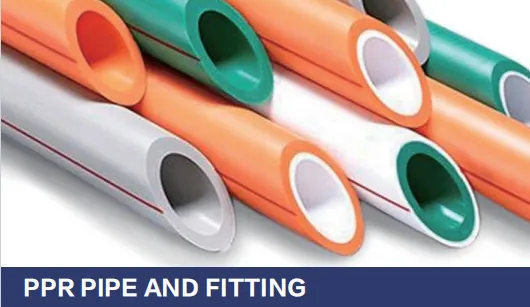
In the world of construction, every material has a story to tell—one of resilience, functionality, and the quiet role it plays in shaping the spaces we live, work, and thrive in. From the foundation that anchors a building to the finishing touches that add character, building materials are the unsung heroes of modern architecture. Among these, piping systems often fly under the radar, yet they form the circulatory system of any structure, ensuring water flows seamlessly, heating systems work efficiently, and daily life proceeds without a hitch. Today, we turn the spotlight on a material that has quietly revolutionized plumbing in both residential and commercial spaces: PPR pipes and fittings. As a cornerstone of residential building materials supplier and commercial building materials supplier catalogs, PPR solutions have become indispensable in the toolkit of architects, contractors, and one-stop architectural solution providers. Let's dive into why these unassuming pipes are so critical to integrated building materials, and how they're redefining reliability in construction.
PPR, or Polypropylene Random Copolymer, is a type of plastic piping that has gained widespread acclaim for its unique blend of strength, flexibility, and durability. Developed in the 1970s, it emerged as a response to the limitations of traditional materials like copper, galvanized steel, and even early plastic pipes. Unlike its counterparts, PPR is created by polymerizing propylene with a small amount of ethylene, resulting in a material that's both rigid enough to withstand pressure and flexible enough to resist cracking under stress. This balance makes it ideal for a range of applications, from residential plumbing to large-scale commercial projects.
But what truly sets PPR apart is its focus on solutions, not just products. A PPR pipe and fitting supplier doesn't merely sell pipes—they offer PPR pipe and fitting solutions tailored to the unique needs of a project. Whether it's designing a plumbing layout for a compact apartment or a high-rise office building, these solutions consider factors like water pressure, temperature fluctuations, and long-term maintenance to ensure the system performs optimally for decades. It's this attention to detail that has made PPR a staple in the catalogs of forward-thinking building material suppliers.
For anyone building or renovating a home, the choice of plumbing materials is a decision that echoes for years. A leaky pipe in the kitchen, a burst line in the bathroom—these aren't just inconveniences; they're disruptions that can turn a dream home into a source of stress. This is where PPR pipes shine, and why residential building materials supplier networks prioritize them. Let's break down their impact in residential settings:
In a home, plumbing systems are put to the test every day. From morning showers to evening dishwashing, hot and cold water flows constantly, subjecting pipes to temperature changes and pressure. PPR pipes are designed to handle this variability with ease, boasting a temperature resistance range of -20°C to 95°C (and up to 110°C for short periods). This means they won't warp under the heat of a hot water tank or crack in freezing basements, ensuring a steady supply of water when homeowners need it most.
When it comes to water that flows from the tap, safety is non-negotiable. PPR pipes are non-toxic and lead-free, with a smooth inner surface that prevents the buildup of bacteria, rust, or scale. Unlike metal pipes, which can corrode over time and leach contaminants into the water, PPR maintains its integrity, ensuring that the water families drink and bathe in remains clean and safe. This is especially crucial for households with children, elderly residents, or anyone with sensitive health needs.
Home renovations are stressful enough without adding lengthy plumbing projects to the mix. PPR pipes simplify installation thanks to their heat fusion joining method—a process where pipes and fittings are heated and fused together to create a seamless, leak-proof bond. Unlike soldering copper pipes (which requires specialized skills and equipment) or gluing PVC (which can fail over time), heat fusion is straightforward and results in joints that are as strong as the pipe itself. This not only speeds up construction but also reduces the risk of future leaks, giving homeowners peace of mind from day one.
If residential projects test a material's reliability, commercial spaces push it to the limit. From hospitals and schools to office complexes and shopping malls, commercial buildings have unique demands: higher water pressure, larger pipe diameters, and stricter safety regulations. Here, PPR pipes and fittings step up as more than just a product—they become a PPR pipe and fitting solutions partner for commercial building materials supplier teams. Let's explore their role in these high-stakes environments:
In hospitals, every component of the building must adhere to strict health and safety standards. PPR pipes, with their non-porous surface and resistance to chemical corrosion, are ideal for transporting both potable water and specialized fluids like those used in medical equipment. Similarly, schools require plumbing systems that can withstand heavy usage—think hundreds of students using sinks and showers daily—without compromising on safety. PPR's durability and low maintenance needs make it a top choice for these settings, aligning with the rigorous standards of institutions that prioritize the well-being of their occupants.
Commercial spaces like offices and malls are all about efficiency—both in terms of energy use and operational costs. PPR pipes excel here, thanks to their excellent thermal insulation properties. Unlike metal pipes, which lose heat quickly, PPR minimizes heat transfer, making it ideal for hot water systems and underfloor heating. This not only reduces energy bills but also ensures a comfortable environment for employees and visitors. Additionally, PPR's lightweight nature makes it easier to install in tight spaces, such as between walls or above ceilings, without adding unnecessary weight to the building structure—a key consideration in high-rise construction.
Beyond offices and hospitals, PPR pipes are also making inroads in light industrial settings, such as factories and warehouses. These environments demand pipes that can handle higher water pressure and occasional exposure to industrial fluids. PPR's high tensile strength and resistance to abrasion make it a reliable choice, ensuring that even in demanding conditions, the plumbing system remains robust and low-maintenance. For commercial building materials supplier teams, this versatility is a game-changer, as it allows them to serve a wide range of clients with a single, trusted product line.
To truly appreciate PPR's impact, it helps to compare it with the materials that came before. For decades, copper, galvanized steel, PVC, and more recently, PEX have dominated the plumbing market. Each has its strengths, but PPR offers a unique combination of benefits that make it the preferred choice for modern one-stop architectural solution provider teams. Let's break down the differences in the table below:
| Feature | PPR Pipes | PVC Pipes | Copper Pipes | PEX Pipes |
|---|---|---|---|---|
| Temperature Resistance | -20°C to 95°C (short-term 110°C) | 0°C to 60°C (limited hot water use) | -20°C to 200°C (high, but expensive) | -40°C to 95°C |
| Corrosion Resistance | Excellent (no rust or scale buildup) | Good, but prone to chemical damage | Poor (corrodes over time, especially in acidic water) | Excellent |
| Installation Ease | Heat fusion (simple, no specialized tools) | Solvent cement (smelly, requires drying time) | Soldering (requires skill, fire risk) | Crimping/clamping (quick, but fittings add cost) |
| Longevity | 50+ years (with proper installation) | 25-40 years (brittle in cold temperatures) | 50+ years (but prone to pinhole leaks) | 40-50 years (UV sensitive, needs protection) |
| Cost-Effectiveness | Mid-range (higher upfront than PVC, lower long-term costs) | Low upfront, but higher maintenance | High (material and installation costs) | Mid-range (fittings add to total cost) |
As the table shows, PPR strikes a rare balance between performance, cost, and ease of use. It outperforms PVC in temperature resistance, copper in corrosion resistance, and PEX in long-term durability—all while remaining affordable and easy to install. For residential building materials supplier and commercial building materials supplier partners, this means happier clients, fewer callbacks, and projects that stay on time and on budget.
In today's fast-paced construction industry, time is money. Developers and contractors are increasingly turning to one-stop architectural solution provider teams to simplify the building process, reducing the hassle of coordinating with multiple suppliers. PPR pipes and fittings fit seamlessly into this model, offering a range of benefits that make them a favorite among integrated building material suppliers:
One of the biggest challenges in construction is ensuring consistency across materials. A one-stop provider that includes PPR solutions can guarantee that the same high-quality pipes and fittings are used in every phase of a project, from the foundation to the finishing touches. This consistency reduces the risk of compatibility issues, simplifies quality control, and ensures that the final structure meets the highest standards.
A PPR pipe and fitting supplier that operates within a one-stop framework doesn't just deliver products—they offer expertise. From helping architects design efficient plumbing layouts to providing on-site support during installation, these suppliers act as partners throughout the project lifecycle. This level of support is invaluable, especially for complex projects where every decision impacts the final outcome.
By integrating PPR solutions with other building materials (like flooring, wall panels, and electrical systems), one-stop providers can streamline logistics, reduce delivery times, and negotiate bulk pricing. The result? Lower costs for developers and faster project completion times. For example, a contractor working on a residential complex can source PPR pipes, flooring, and wall panels from a single supplier, eliminating the need to coordinate with multiple vendors and reducing the risk of delays.
As the construction industry evolves, so too do the demands on building materials. Sustainability, energy efficiency, and resilience are no longer optional—they're priorities. PPR pipes and fittings are well-positioned to meet these demands, with ongoing innovations in material science making them even more durable, eco-friendly, and cost-effective. For instance, new formulations are enhancing PPR's resistance to UV radiation, expanding its use in outdoor applications, while recycled PPR materials are reducing the environmental footprint of production.
In regions like Saudi Arabia, where extreme temperatures and rapid urbanization are driving demand for reliable building materials, Saudi Arabia building materials supplier networks are increasingly turning to PPR solutions. Whether it's a luxury villa in Riyadh or a commercial complex in Jeddah, PPR's ability to withstand harsh climates and deliver consistent performance is making it a cornerstone of the country's construction boom.
In the grand scheme of construction, PPR pipes and fittings may not be the most glamorous materials, but they are undoubtedly among the most essential. From the moment you turn on the tap in your kitchen to the seamless operation of a hospital's life-saving equipment, PPR solutions work tirelessly to keep our spaces functional, safe, and comfortable. As residential building materials supplier and commercial building materials supplier partners continue to prioritize reliability and efficiency, PPR will only grow in importance—proof that sometimes, the most impactful innovations are the ones that quietly get the job done.
So the next time you walk into a building, take a moment to appreciate the unseen network of pipes that makes it all possible. Chances are, many of them are PPR—and that's a testament to the power of choosing the right materials for the job. After all, in construction, as in life, the best solutions are the ones that stand the test of time.
Recommend Products












