
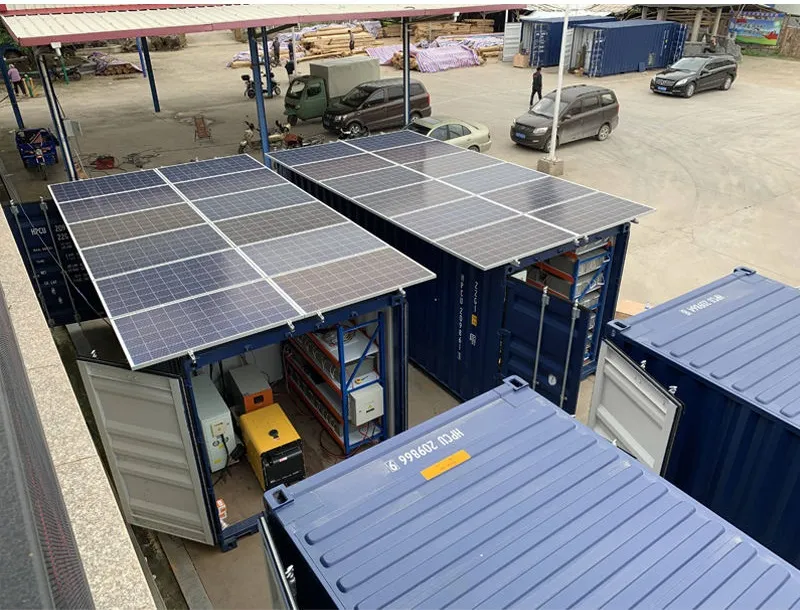
Ever notice how your phone battery holds less charge after a few years? Solar panels face the same inevitable reality. But while you might just buy a new phone, replacing solar arrays involves serious investment decisions. That's where understanding power degradation rate becomes crucial.
Picture your brand-new solar panels glistening in the sun - they're probably performing at 100% capacity. Come back in 25 years, and you'll find them quietly producing 15-20% less power. This gradual efficiency drop is degradation, and it happens faster than most realize.
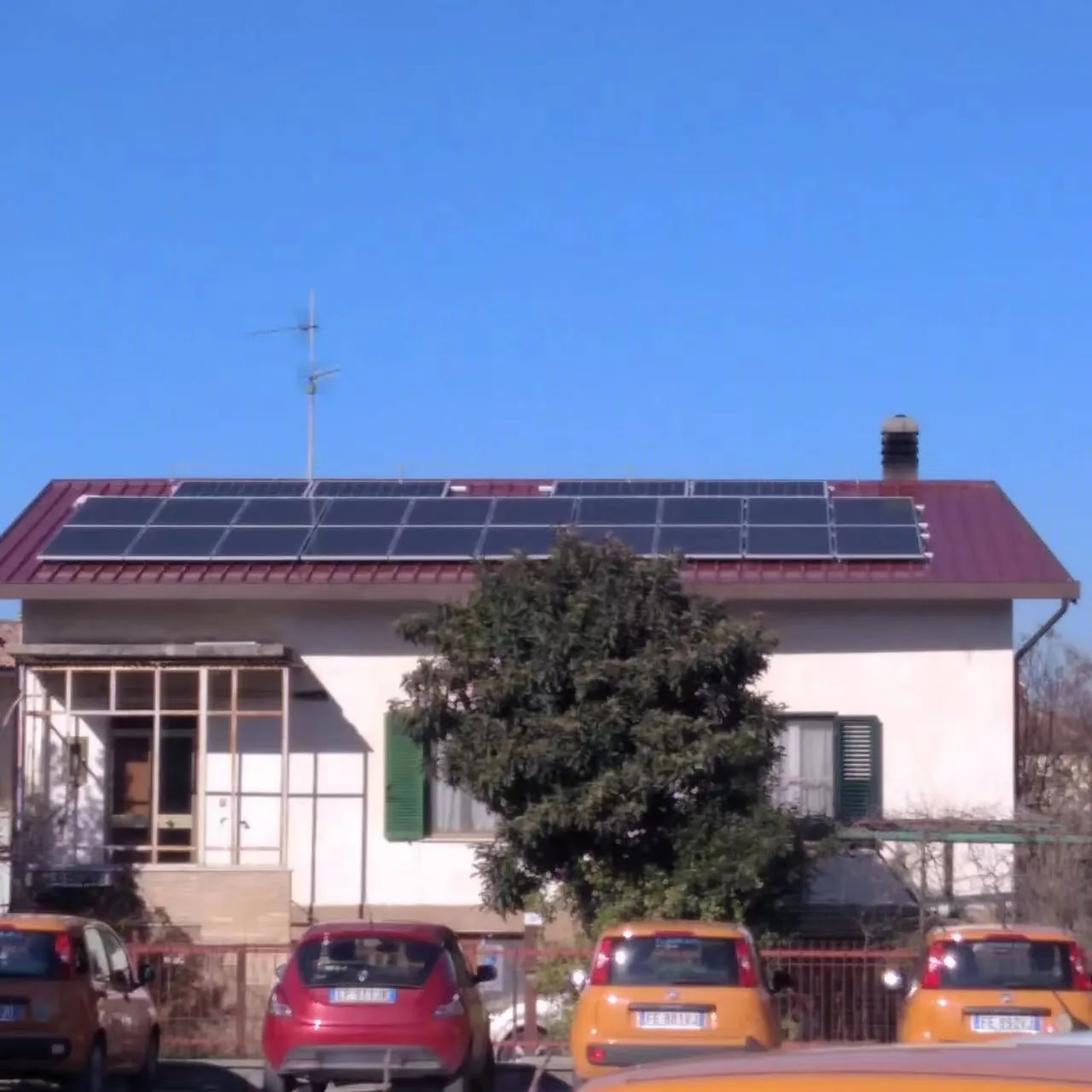
Manufacturers love showcasing peak efficiency ratings, but that's like judging a car solely by its top speed. The true test? How well it maintains performance during your daily commute. Consider two 400W panels:
| Panel Type | Year 1 Output | Degradation Rate | Year 25 Output |
|---|---|---|---|
| Premium (0.3%/yr) | 400W | 0.3% | 370W |
| Economy (0.8%/yr) | 400W | 0.8% | 320W |
That 50W difference in Year 25? For a typical home system, that's enough to power your refrigerator for free. Industry-leading polycrystalline solar panels now achieve degradation rates below 0.5%/year through advanced encapsulation and cell technology.
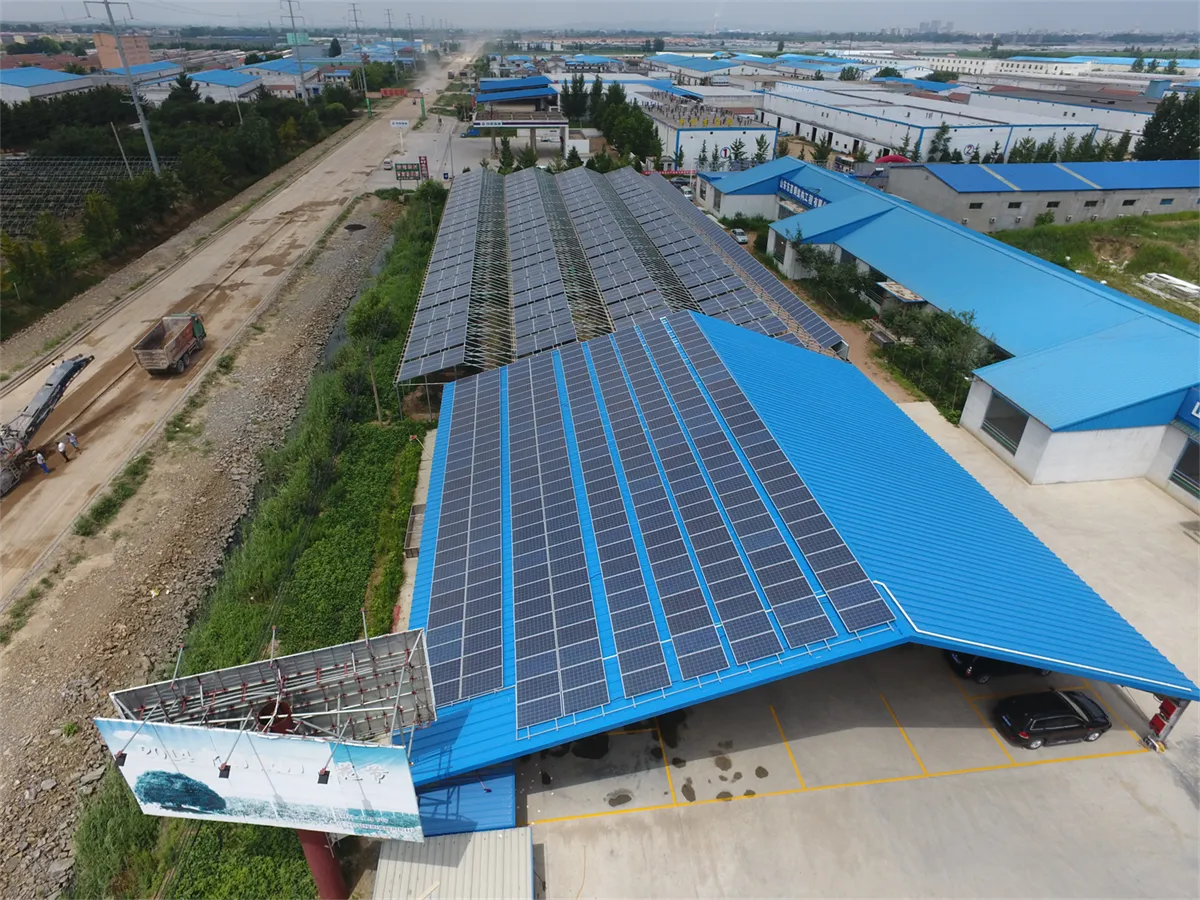
I recently worked with a solar farm owner who discovered uneven degradation across their array. By applying power automate flows principles used in SharePoint access management, they implemented tiered maintenance scheduling:
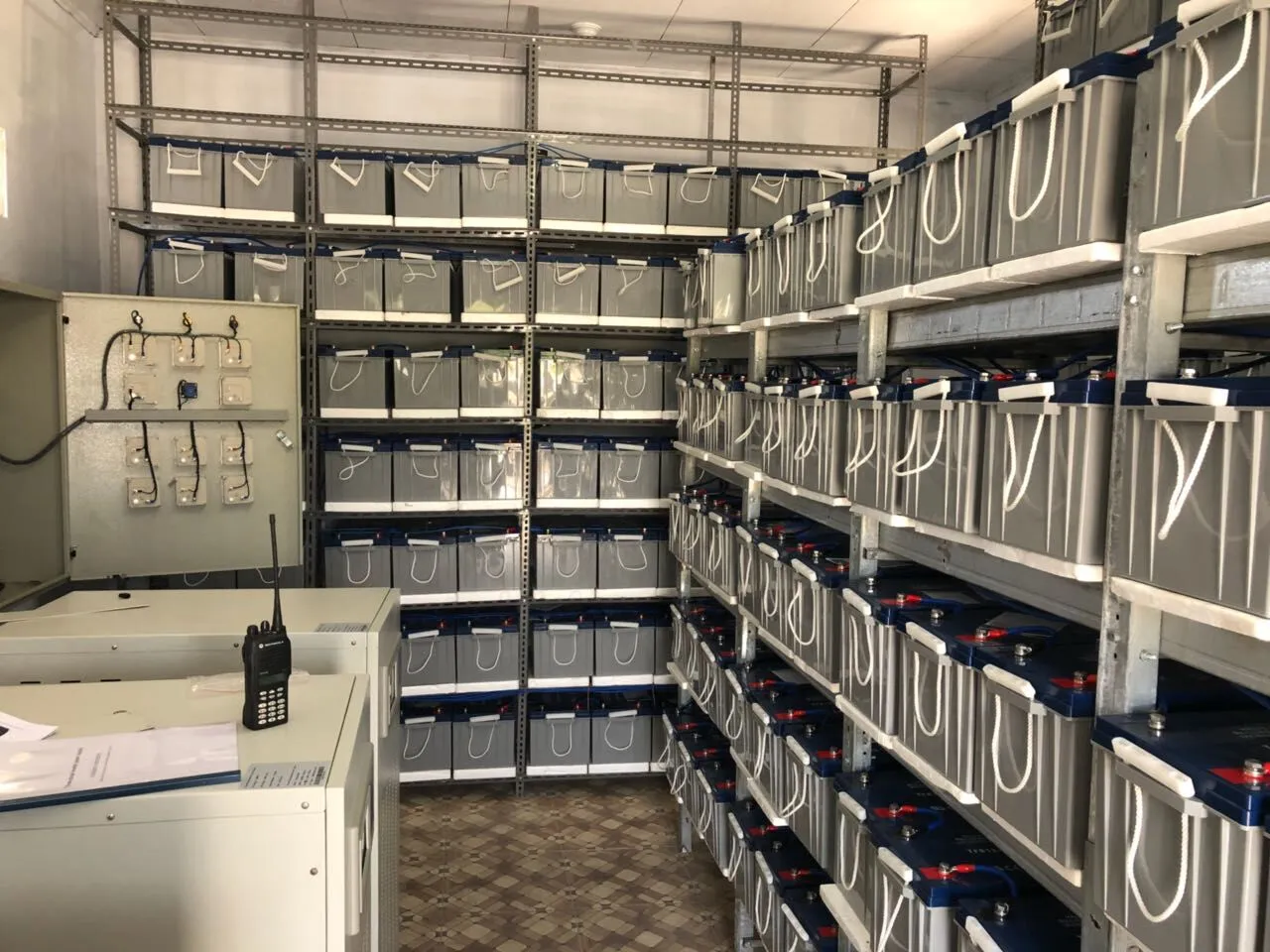
Let's translate technical specs to dollars. For a 10kW residential system:
| Degradation Rate | 25-Year Energy Loss | Financial Impact (0.15$/kWh) |
|---|---|---|
| 0.4%/year | 9,200 kWh | $1,380 |
| 0.7%/year | 16,100 kWh | $2,415 |
"The upfront cost difference between low-degradation and standard panels is about $500," notes solar consultant Amanda Zhou. "But the lifetime value difference exceeds $1,000 - that's why degradation rate belongs on every buyer's checklist."
Material science breakthroughs are pushing degradation boundaries:
Much like how Azure Functions revolutionized script execution in cloud automation, these innovations promise to redefine solar longevity standards. Industry leaders forecast degradation rates below 0.25%/year becoming mainstream within 5 years.
Carlos M., a Florida homeowner, learned about degradation the hard way: "After 12 years, my system was producing 15% less than promised. Turns out I'd prioritized initial cost over degradation specs. That 'savings' ended up costing me."
Contrast this with engineer Priya K.'s approach: "We specify ≤0.4% annual degradation for all commercial installations. The slight premium pays for itself within 8 years through sustained output."
The photovoltaic panels industry still operates too much on spec sheets rather than real-world performance. When you shift your focus from peak efficiency to degradation resilience, you're not just buying hardware - you're investing in decades of predictable energy production.
Recommend Products












