

Walk into any modern commercial space or newly renovated home, and you'll likely spot it—the rich texture of stone walls that exude both luxury and warmth. Chances are, those walls aren't made of heavy natural stone but of PU stone wall panels—a innovative solution that has redefined interior and exterior decoration materials in recent years. As a PU stone wall panel supplier with over a decade of experience, we've witnessed how these panels transform visions into reality: a café owner wanting a rustic vibe without the weight of real stone, a hotel designer aiming for a grand lobby that's both durable and easy to maintain, or a homeowner craving a statement wall that won't crack under humidity. But here's the truth: even the most premium PU stone wall panel solutions, sourced from the most reputable suppliers, depend on one often-overlooked step to truly shine—post-installation inspection. This isn't just about ticking boxes; it's about ensuring that the panels perform as promised, look as stunning as the day they were installed, and stand the test of time. Let's explore why this process is non-negotiable and how to execute it with precision.
Imagine investing in a high-end suit only to realize the seams are uneven after the first wear. Or buying a luxury car that stalls a week later because a loose wire wasn't checked. The same logic applies to construction materials: even the best products can underdeliver if installation isn't verified. PU stone wall panels, in particular, demand careful inspection because they bridge two critical worlds: aesthetics and functionality. These panels are designed to mimic the look of natural stone (think granite, travertine, or marble) while being lightweight, flexible, and resistant to moisture—qualities that make them ideal for both interior decoration materials and exterior cladding. But their performance hinges on proper adhesion, alignment, and protection against environmental factors. A skipped inspection could mean hidden issues like water seepage, panel warping, or color fading—problems that not only ruin the visual appeal but also compromise safety and durability.
For contractors, thorough inspection protects their reputation. A client who notices misaligned panels or peeling edges six months down the line won't blame the PU stone wall panel supplier—they'll blame the installer. For homeowners and business owners, it's about protecting their investment. These panels aren't cheap, and they're often central to a space's design. A shoddy inspection could lead to costly repairs or replacements. And for suppliers like us? It's about upholding the integrity of our PU stone wall panel solutions. We stand by the quality of our products, but we also know that installation is the final piece of the puzzle. When projects succeed, it's a win for everyone: the supplier, the installer, and the client. That's why post-installation inspection isn't just a service—it's a partnership.
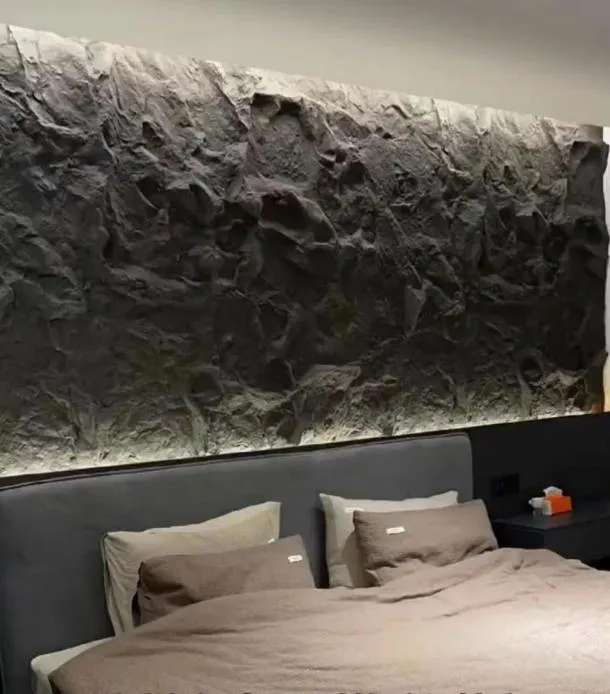
Post-installation inspection for PU stone wall panels isn't a one-size-fits-all process. It varies based on whether the panels are used indoors or outdoors, the substrate they're applied to (drywall, concrete, wood), and the environmental conditions (high humidity, extreme temperatures, heavy foot traffic). Below, we break down the critical checkpoints that ensure your PU stone wall panel solutions meet the highest standards.
At its core, a wall is a structural element—and PU stone wall panels, despite being lighter than natural stone, add weight and stress to the substrate. The first step in inspection is verifying that the panels are securely attached and that the supporting structure can handle the load. Start by checking adhesion: gently press on the edges and corners of each panel. They should feel firm, with no give or movement. If a panel shifts or makes a hollow sound when tapped, it's a red flag—this could mean the adhesive wasn't applied evenly, or the substrate wasn't properly prepared (e.g., dust, grease, or moisture on the surface before installation).
Next, examine the substrate itself. For interior walls, drywall or plywood must be flat and free of cracks. For exterior applications, concrete or masonry should be smooth and moisture-free. A common mistake is installing panels over uneven surfaces, which leads to stress points that cause panels to crack over time. As a PU stone wall panel supplier, we always provide substrate preparation guidelines, but on-site checks are essential. For example, we once worked with a contractor who installed panels over a slightly damp concrete wall. Three months later, the panels began to bubble—moisture had been trapped, weakening the adhesive. A quick moisture test during inspection would have caught this issue before it escalated.
Support structures also matter. If panels are installed vertically, check that the top and bottom rails (if used) are level and securely fastened. For large exterior walls, wind load is a factor—panels must be anchored to withstand gusts, especially in coastal areas. A visual check of anchor points and fasteners (like screws or clips) can prevent catastrophic failure during storms.
One of the main reasons clients choose PU stone wall panel solutions is their visual appeal. These panels are engineered to have consistent color, texture, and pattern, but installation can disrupt that harmony if not checked. Start with color matching: panels from the same batch should have uniform hue. Sunlight, however, can play tricks—inspect the wall under both natural and artificial light to spot subtle differences. A panel that looks perfectly matched in the morning might appear darker than its neighbors under evening lighting. This is especially critical for interior walls, where lighting is often controlled (e.g., a restaurant with warm ambient lights or an office with cool LED panels).
Grout lines (if applicable) are another aesthetic checkpoint. They should be even in width and depth, with no gaps or overflow. Uneven grout not only looks unprofessional but can also trap dirt, leading to discoloration over time. For seamless installations (where panels are butted together without grout), check for tight, consistent joints. Misaligned panels create "steps" or gaps that catch the eye—imagine a wall where every third panel is slightly higher than the rest. It's a small flaw, but it undermines the entire design.
Texture consistency is equally important. PU stone wall panels are designed to mimic the natural variation of stone, but there's a difference between intentional texture and accidental defects. Run your hand along the surface—you should feel uniform texture across panels. Rough spots, bumps, or areas where the finish is thin could indicate manufacturing defects or damage during installation. A reputable PU stone wall panel supplier will have strict quality control, but handling during transport or installation (e.g., dragging panels across rough surfaces) can cause scuffs. These should be noted and repaired before the client moves in.
PU stone wall panels aren't just pretty—they're designed to perform. Depending on the application, they may need to resist water, fire, impact, or UV rays. Inspection should verify that these functional claims hold true post-installation. For bathrooms or kitchens (common interior decoration materials use), water resistance is key. Spritz the wall with a spray bottle and let it sit for 10 minutes. If water beads up and rolls off, the panels are properly sealed. If it soaks in or darkens the panel, the sealant may have been applied incorrectly or missed in some areas.
Impact resistance is another functional test, especially in high-traffic areas like hallways or retail stores. Gently tap the panels with a rubber mallet (simulating a bump from a cart or a child's toy). The panels should flex slightly but not crack or dent. PU stone panels are designed to be more impact-resistant than natural stone, but weak adhesion can cause panels to crack even with minor impact. We once inspected a hotel corridor where a housekeeping cart had bumped a wall, leaving a small crack. Upon closer look, the panel had been installed with insufficient adhesive—only the top edge was bonded, so the impact caused it to flex and split.
For exterior walls, UV resistance is critical. Prolonged sun exposure can fade colors and degrade the panel's surface. While this isn't something that can be tested immediately, inspection should include checking that the panels are rated for exterior use (some PU panels are designed only for interiors) and that any protective coating (like a clear sealant) has been applied evenly. A quick check of the supplier's datasheet (provided by your PU stone wall panel supplier) will confirm the UV rating, but on-site, look for signs of premature aging, like chalky residue or color lightening—red flags that the wrong product may have been used.
Safety should never be an afterthought, and post-installation inspection is where compliance with building codes is verified. Start with fire ratings: PU stone wall panels are often rated for fire resistance (e.g., Class B or Class A), depending on the formulation. For commercial spaces like hospitals, schools, or hotels, Class A fireproofing is non-negotiable. Check that the panels installed match the fire rating specified in the project plans—this information is usually provided by the PU stone wall panel supplier on the product label or datasheet. During inspection, verify that no panel edges are exposed (unfinished edges can release toxic fumes in a fire) and that sealants used are also fire-rated.
Edge treatments are another safety concern. Panels should have smooth, rounded edges in areas with foot traffic (like corridors) to prevent injuries from sharp corners. For exterior walls, check that panels don't overhang walkways—loose panels could fall and harm pedestrians. Weight distribution is also critical: panels should be evenly spaced to avoid stress on the substrate. A wall with panels clustered in one area may sag over time, leading to cracks or collapse.
Accessibility is often overlooked but important. In public buildings, walls must comply with ADA standards—protruding panels (e.g., decorative elements) should not extend more than 4 inches from the wall to avoid blocking wheelchair paths. During inspection, measure any projections and ensure they meet local codes. A small overhang might seem harmless, but it could result in fines or forced renovations down the line.
A wall that looks great today but falls apart in five years is a failure—and post-installation inspection is the first step in preventing that. Long-term durability checks focus on factors that degrade panels over time: moisture, temperature fluctuations, and maintenance accessibility. For moisture-prone areas (like basements or exteriors), check for weep holes (small openings at the bottom of panels that allow water to drain). If these holes are clogged with mortar or debris, water will trap inside, causing rot or mold. A simple visual check and a gentle probe with a wire can clear any blockages.
Temperature resistance is another factor. PU stone wall panels expand and contract with heat and cold—inspect the expansion joints (gaps between panels or at corners) to ensure they're wide enough to accommodate movement. In cold climates, ice can form in tight joints, pushing panels apart. In hot climates, panels may expand and buckle if joints are too narrow. A good rule of thumb: joints should be at least 1/4 inch wide for every 10 feet of wall length, but this varies by product—consult your PU stone wall panel supplier's guidelines.
Finally, consider maintenance. Can the panels be cleaned without damage? Are replacement panels available if one gets chipped? A quick check of the supplier's warranty and maintenance instructions during inspection ensures that clients know how to care for their walls. For example, some panels require gentle cleaning with soap and water, while others can handle pressure washing. Knowing this upfront prevents accidental damage during routine upkeep.
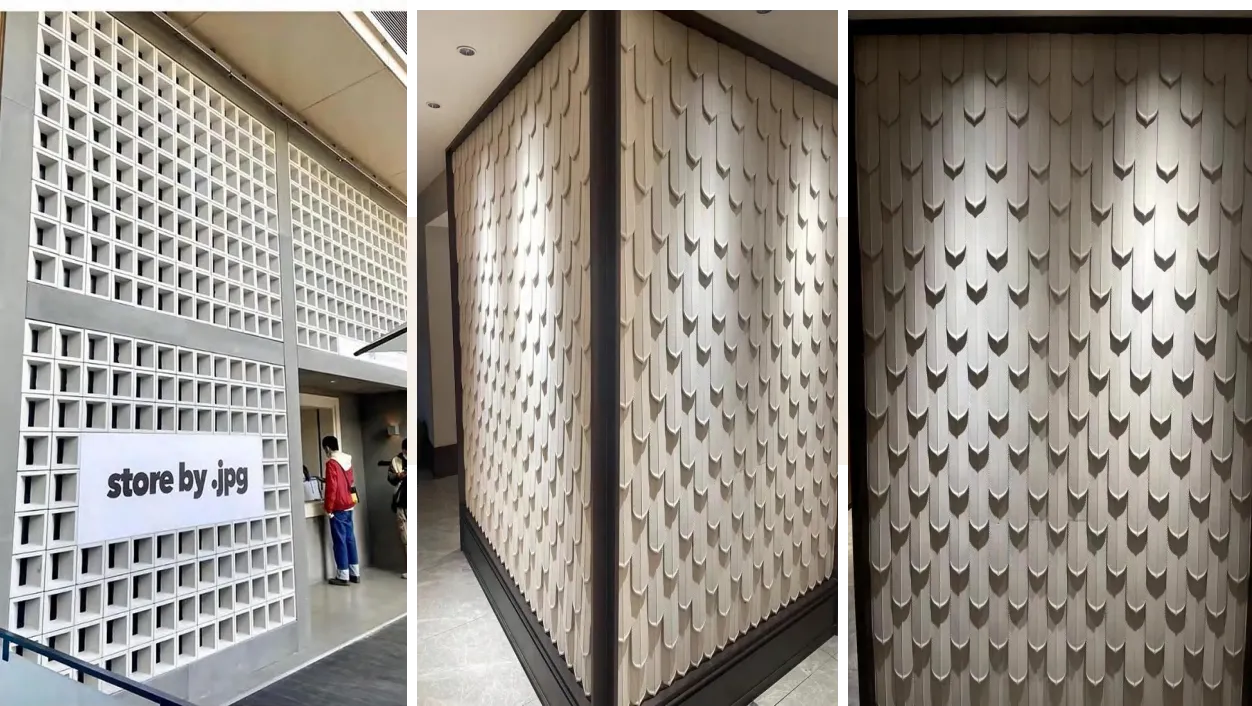
| Inspection Category | Interior Panels | Exterior Panels | Common Red Flags |
|---|---|---|---|
| Structural Integrity | Check drywall/plywood substrate for cracks; verify adhesive coverage | Inspect concrete/masonry for moisture; check anchor points for wind load | Hollow sounds when tapping panels; loose fasteners |
| Aesthetic Consistency | Color matching under artificial light; grout line evenness | Color fastness under UV light; texture uniformity across sun-exposed areas | Patchy discoloration; uneven grout; misaligned panels |
| Functional Performance | Water resistance in bathrooms/kitchens; impact resistance in high-traffic areas | Weatherproofing (rain, snow); thermal insulation | Bubbling panels (moisture); dents from impact; heat warping |
| Safety Compliance | Fire rating (Class A for hospitals/schools); edge smoothness | Wind load resistance; corrosion-resistant fasteners | Exposed panel edges; rusted fasteners; overhanging panels |
| Long-Term Durability | Expansion joints for temperature changes; ease of cleaning | Weep holes (drainage); UV protection coating | Clogged weep holes; faded panels; cracked expansion joints |
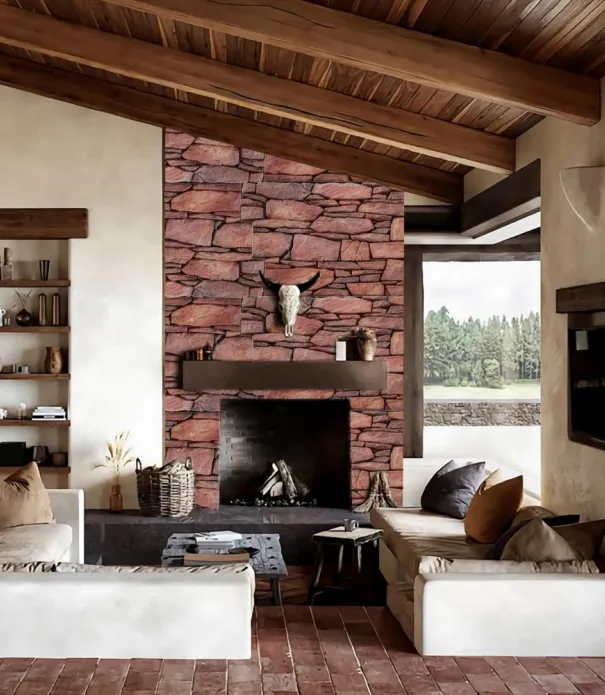
A reputable PU stone wall panel supplier doesn't just deliver products—they support the entire lifecycle of the project, including post-installation inspection. When choosing a supplier, look for those who provide detailed installation guides, on-site training for installers, and even inspection checklists tailored to your project. At our company, for example, we offer a post-installation review service where our technical team visits the site to verify that panels are installed correctly. This not only helps catch issues early but also builds trust with contractors and clients.
Suppliers should also be transparent about product limitations. If a certain PU stone wall panel solution isn't suitable for exterior use in a humid climate, they should say so upfront—not after installation problems arise. During inspection, having access to the supplier's technical support team can be invaluable. For example, if you notice panels are darker than expected, a quick call to the supplier can confirm if it's a batch variation or a sign of moisture damage.
Warranties are another area where suppliers play a role. A strong warranty (e.g., 10 years for residential, 5 years for commercial) shows confidence in the product. During inspection, verify that the installation meets the warranty requirements—some warranties are void if panels are installed incorrectly (e.g., using the wrong adhesive or skipping expansion joints). A supplier who helps ensure compliance with warranty terms is a partner in the project's success.
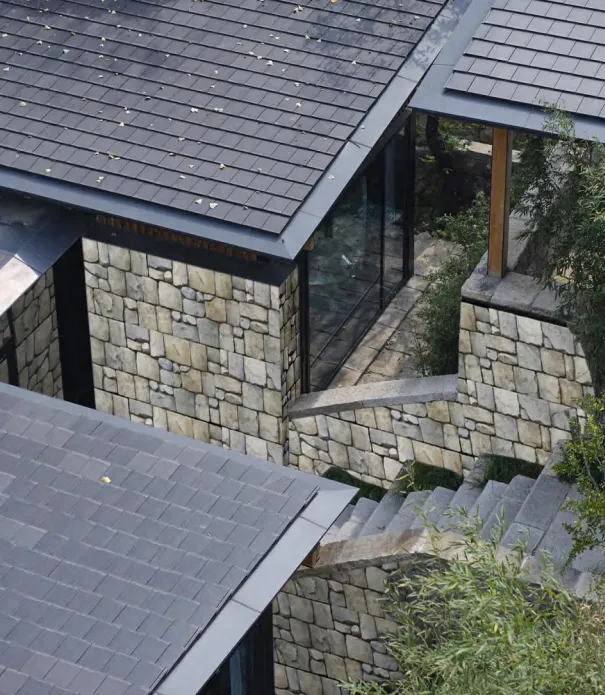
Post-installation inspection for PU stone wall panels isn't just about finding flaws—it's about upholding a standard of excellence. It's the difference between a wall that looks good for a year and one that remains stunning for decades. For contractors, it's a way to deliver on promises and build long-term client relationships. For clients, it's peace of mind that their investment is protected. And for suppliers, it's a testament to the quality of their products and their dedication to customer satisfaction.
So the next time you're standing in front of a newly installed PU stone wall, take the time to inspect it thoroughly. Check the adhesion, the alignment, the color, and the compliance. Ask questions, reference the supplier's guidelines, and don't hesitate to flag issues—even small ones. After all, the beauty of PU stone wall panel solutions lies not just in their design, but in their ability to perform, day in and day out. And that performance starts with a single, crucial step: checking that every panel is in place, secure, and ready to shine.
Recommend Products











