
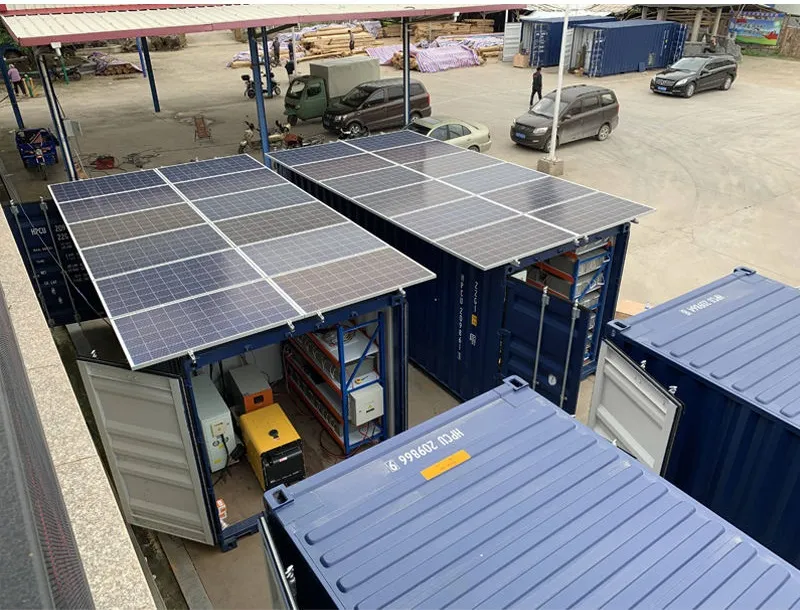
Picture this: a shimmering sea of solar panels stretching across a sun-drenched landscape – a clean energy powerhouse humming with potential. But what happens when one soldier in this glittering army falters? That single failed panel is like a kink in a garden hose, subtly dragging down the whole system's performance.
With global solar capacity skyrocketing past 1 terawatt – enough to power millions of homes – the need to identify these weak links has never been more critical. Yet here's the problem: finding that one underperforming panel in a thousand-panel array is like searching for a needle in a haystack. Traditional inspection methods? They're about as effective as finding a specific grain of sand on a beach.
This is where intelligent positioning technology comes in – the smart detective that can pinpoint exactly where the trouble lies. And when we weave in eco-friendly building materials into the system design, we create solutions that are both efficient and sustainable.
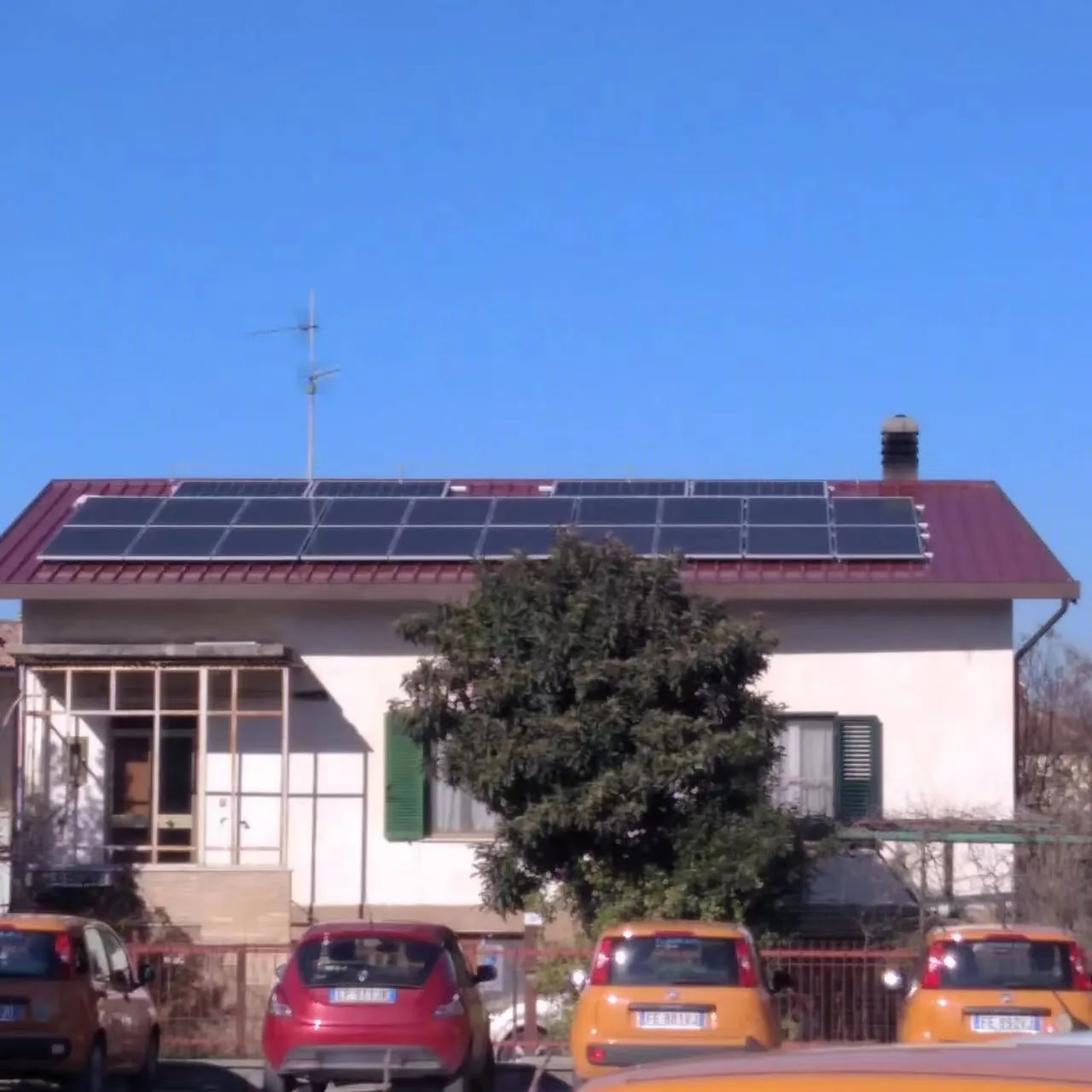
Solar panels may look tough, but they've got their breaking points. Let's meet the usual suspects:
These thermal trouble zones form when panels can't dissipate heat properly. It's like running a marathon in a winter coat – eventually something's gotta give. These spots slowly cook the panel from the inside out.
Often invisible to the naked eye, these hairline fractures spread like spiderwebs through the silicon cells. One tiny shipping bump or hailstorm can start a chain reaction that takes months to show symptoms.
Potential Induced Degradation is like a slow energy leak. It doesn't cause immediate failure but quietly siphons off 20-30% of potential power year after year.
One failed panel isn't just a minor setback – it's a cascade effect. Imagine a choir where one singer is off-key. Soon others start straining to compensate. In solar terms:
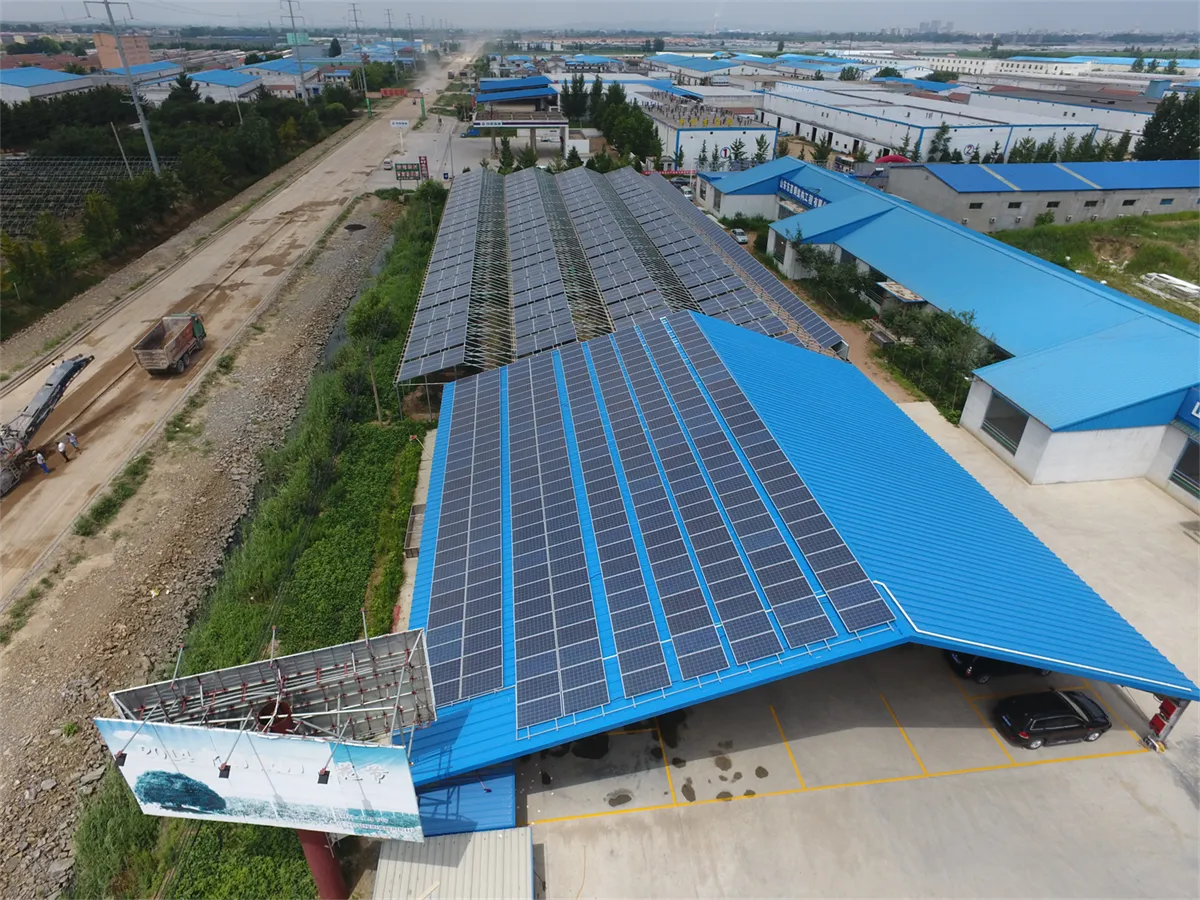
Traditional sensor setups? They're like trying to monitor a city with only five security cameras. The breakthrough came when researchers realized we don't need sensors on every single panel – just smarter placement.
Think of it as neighborhood watch for solar panels. Sensors monitor clusters of panels instead of individuals. When trouble brews in one area, specialized sensors zoom in like detectives on a case.
By positioning sensors at strategic points along strings, we can pinpoint faults with remarkable accuracy – often within a meter even in large arrays.
Modern positioning systems blend multiple detective skills:
The most advanced systems combine all three into a comprehensive diagnostic suite. It's like having Sherlock Holmes, a thermal imaging satellite, and a crystal ball all working together.
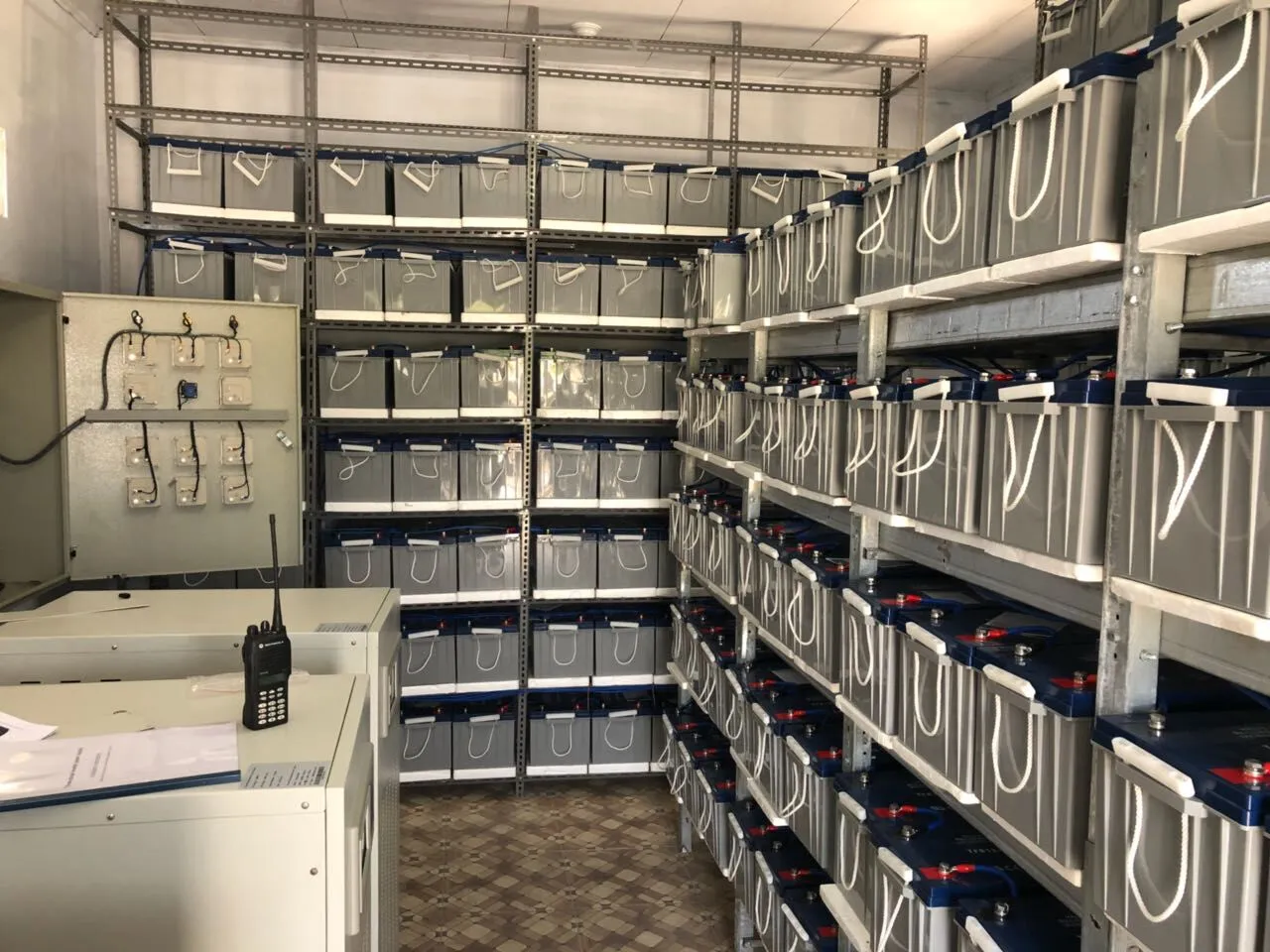
At the 550MW Solar Oasis installation in Arizona, positioning technology had its trial by fire – literally. During a routine scan, the system flagged three panels showing abnormal thermal signatures.
By replacing just 12 panels (0.02% of the array) instead of entire strings, they saved over $250,000 in potential downtime and equipment replacement.
Implementing positioning tech isn't just plug-and-play. The golden rules:
Remember that positioning tech works alongside conventional eco-friendly building materials to create holistic energy solutions.
The real magic happens when positioning systems transform from historians to fortune tellers:
Each panel gets a "wellness rating" based on:
By analyzing millions of data points, AI can predict:
Imagine knowing exactly which tree branch will need pruning before it falls – that's the power of predictive positioning.
Positioning technology is evolving at breakneck speed. Tomorrow's systems might feature:
Panels with built-in redundancy that automatically reroute power around damaged cells
New photovoltaic materials that visibly change color when degrading, creating self-identifying failures
Instead of central servers, processing power distributed across the array itself – like a neural network made of panels
As these technologies mature, the role of eco-friendly building materials in sustainable energy infrastructure will only grow more crucial.
Positioning technology represents a quantum leap in solar farm management. What used to require teams of technicians walking rows with testing equipment can now be done remotely with precision that borders on prescience.
As we look toward terawatt-scale solar deployments, these intelligent systems become not just convenient, but essential. They ensure every drop of sunshine gets harvested efficiently and safely.
The silent sentinels in our solar arrays are learning to speak – and what they're telling us might just secure our clean energy future. For the engineers, operators, and innovators pushing this field forward, the future has never looked brighter.
Recommend Products












