

Maria, a senior architect at a leading design firm in Riyadh, stares at her screen, frustration creasing her brow. The deadline for the new commercial complex's façade design is two weeks away, but the wall materials she's selected just aren't cutting it. The client wants something bold—something that makes the building stand out on the skyline—yet durable enough to withstand Saudi Arabia's scorching summers and sandstorms. "We need materials that don't just look good on paper," she mutters to her team, "but perform in the real world. And we need a supplier who gets that."
Sound familiar? In today's fast-paced construction industry, architects, contractors, and homeowners alike are grappling with a common challenge: balancing aesthetics, functionality, and sustainability. Nowhere is this more critical than in wall design, where materials serve as both the building's skin and its first line of defense. Enter the porcelain slab tile for wall supplier —a key player in modern construction's evolution, bridging the gap between vision and reality.
Gone are the days when walls were merely structural barriers. Today, they're canvases for creativity, guardians of safety, and even contributors to energy efficiency. From luxury homes to bustling hospitals, the demand for interior decoration materials and architectural façade solutions that do more—last longer, require less maintenance, and align with green building standards—has never been higher.
Consider the numbers: According to a 2024 report by the Global Construction Association, 68% of architects cite "material performance" as their top priority, ahead of cost and availability. For wall materials specifically, durability (resistance to scratches, stains, and weathering) and design flexibility (custom sizes, textures, and finishes) top the list of must-haves. This shift has forced suppliers to rethink their approach, moving from passive vendors to active partners in construction innovation.
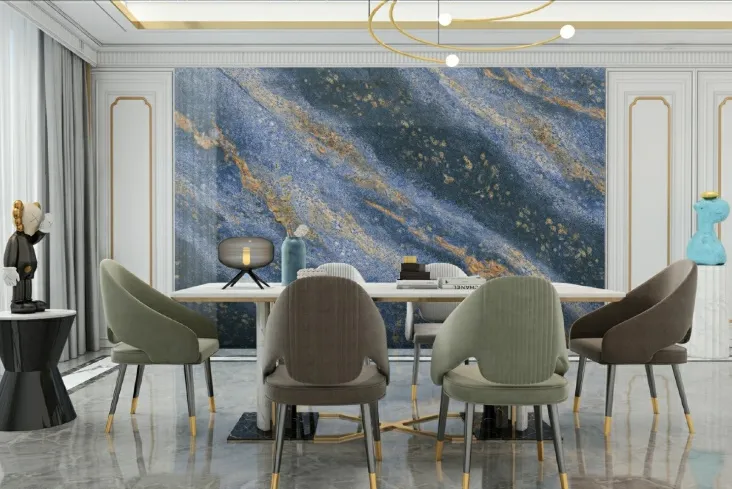
At the heart of this transformation lies the porcelain slab tile. Unlike traditional ceramic tiles or natural stone, these large-format slabs—often measuring 1200x2400mm or larger—offer a unique blend of beauty and brawn. "They're like the Swiss Army knife of wall materials," jokes Ahmed, a project manager who recently used porcelain slabs for a high-end residential project in Jeddah. "You can use them indoors, outdoors, on walls, even on countertops. And they look stunning doing it."
But what makes porcelain slab tiles so special? Let's break it down:
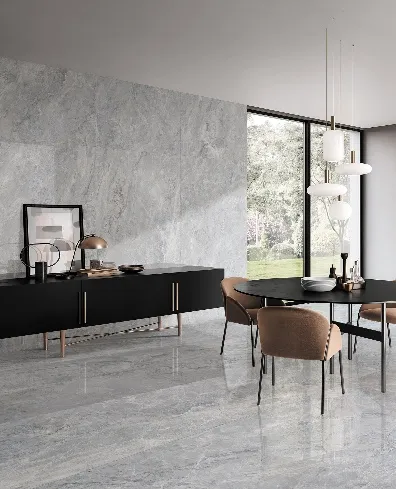
But a great material is only as good as the supplier behind it. Today's top porcelain slab tile for wall suppliers aren't just selling products—they're selling solutions. Here's how they're keeping up with modern construction's demands:
Walk into a leading porcelain slab factory, and you'll find more than just kilns and presses. Advanced digital printing technology allows suppliers to replicate the look of rare stones—think switzerland stone or cloud stone —with stunning accuracy, without the environmental impact of quarrying. "We can create a slab that looks exactly like Italian marble," explains a production manager at a Saudi-based supplier, "but at a fraction of the cost and with none of the maintenance headaches."
Automation is another key trend. Robotic arms handle slab cutting and finishing, ensuring precision down to the millimeter. This is crucial for projects with custom designs, like curved walls or geometric patterns, where even a tiny error can derail the entire aesthetic.
Modern construction thrives on uniqueness. A luxury villa in Riyadh might want slabs that mimic the texture of terrazzo tile , while a tech startup's office could opt for a sleek, matte black finish. Suppliers are responding by offering bespoke solutions: custom sizes, colors, and even surface treatments (like anti-slip coatings for pool areas or heat-resistant finishes for outdoor kitchens).
Take the case of a recent hospital project in Dammam. The client required wall materials that were not only aesthetically pleasing but also met strict hygiene standards. The supplier didn't just deliver standard porcelain slabs—they collaborated with the design team to create a custom antibacterial finish, ensuring the walls would resist mold and bacteria growth. "That's the difference between a good supplier and a great one," says the project's lead engineer. "They didn't just sell us tiles; they solved a problem."
In an era of increasing environmental awareness, sustainability isn't optional—it's a requirement. Leading suppliers are investing in solar-powered factories, water recycling systems, and low-waste production processes. Some even offer carbon-neutral delivery options, offsetting emissions from transportation.
Safety is equally critical, especially in public spaces like schools and hospitals. This is where cross-material expertise comes into play. Many top porcelain slab suppliers also offer complementary products like class a fireproof cpl inorganic board for hospital and school supplier solutions, ensuring that walls meet rigorous fire safety codes without compromising on design. "We worked on a school renovation last year where the client needed both fireproof walls and a warm, inviting atmosphere," recalls a sales representative. "We paired our class A fireproof boards with porcelain slabs that looked like wood, and the result was a space that felt cozy but was 100% compliant."
Construction delays are costly, and material shortages are a common culprit. To avoid this, suppliers are optimizing their supply chains with real-time tracking systems and regional warehouses. "We have a warehouse in Jeddah and another in Riyadh," says a logistics manager. "If a contractor in Dammam needs a last-minute order of slabs, we can deliver within 24 hours. No more waiting weeks for shipments from overseas."
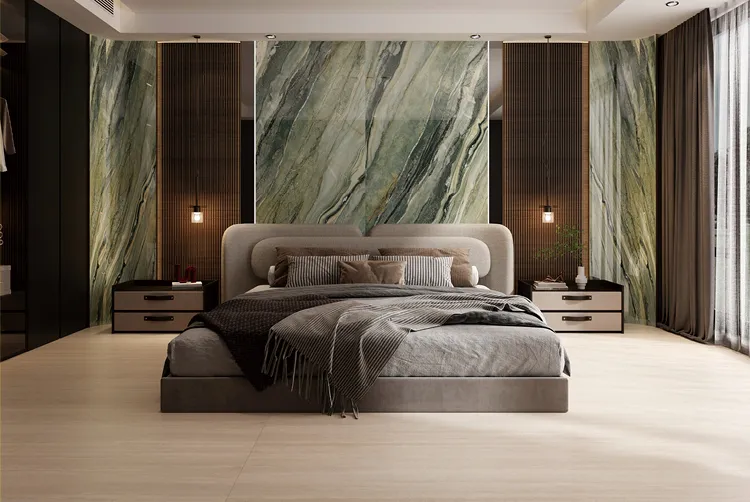
To truly understand the impact of modern porcelain slab suppliers, let's look at two real-world projects:
The Azure Tower, a 30-story luxury residential building, wanted its interiors to exude opulence while remaining family-friendly. The design team chose porcelain slabs for the living room walls, selecting a finish that mimicked granite stone but with a smoother texture. The supplier provided custom-cut slabs in sizes up to 1600x3200mm, minimizing grout lines and creating a seamless, high-end look.
"The homeowners love it," says the project's interior designer. "The slabs are resistant to kids' sticky fingers and pet scratches, and they still look brand new a year later. Plus, the supplier's installation team was a dream—they worked around our schedule and even helped adjust a few cuts when we changed the design last minute."
The Al Salam Hospital's new pediatric wing needed walls that were both hygienic and comforting. The supplier proposed a combination of class A fireproof CPL inorganic boards (for exam rooms and corridors, where fire safety is paramount) and porcelain slabs (for waiting areas and playrooms, where aesthetics matter most). The porcelain slabs were printed with soft, nature-inspired patterns—think gentle clouds and greenery—to calm young patients.
"It was a perfect partnership," says the hospital's facilities director. "The supplier understood our dual needs: safety and serenity. The slabs are easy to clean with hospital-grade disinfectants, and the kids actually love pointing out the 'clouds' on the walls. It's made a stressful environment feel a little more like home."
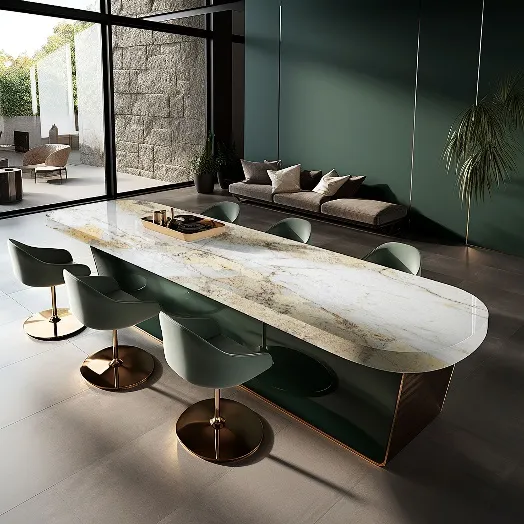
Still on the fence? Let's put porcelain slab tiles head-to-head with some common alternatives:
| Material | Durability | Installation Time | Fire Resistance | Design Flexibility | Maintenance |
|---|---|---|---|---|---|
| Traditional Ceramic Tiles | Moderate (prone to chipping) | Long (many small tiles = more grout lines) | Good (varies by type) | Limited (small sizes, fewer finishes) | High (grout lines attract mold/stains) |
| Natural Stone (Marble/Granite) | High (but porous; stains easily) | Very Long (heavy, requires skilled labor) | Good (but heat can cause cracking) | High (unique patterns, but limited availability) | Very High (sealing required annually) |
| Porcelain Slab Tiles | Very High (scratch, stain, and weather resistant) | Short (large slabs = fewer cuts, less grout) | Excellent (class A fire rating available) | Very High (digital printing mimics any material) | Low (just wipe clean; no sealing needed) |
| Gypsum Board (Painted) | Low (easily damaged, not water-resistant) | Moderate (requires taping, mudding, painting) | Low (needs fire-rated additives) | Moderate (limited to paint colors/textures) | High (scuffs, holes, and paint chipping common) |
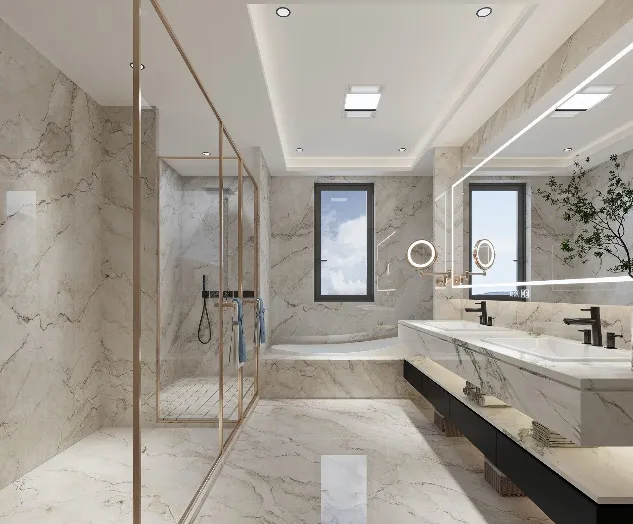
So, what's next for the porcelain slab tile for wall supplier ? Industry experts predict several key trends:
Back in Maria's office, the mood has shifted. After connecting with a local porcelain slab supplier, she's found her solution: large-format, sandstorm-resistant slabs for the commercial complex's façade, paired with custom-printed tiles for the interior lobby. "They didn't just sell me materials," she says, smiling as she presents the revised design to her team. "They listened to our challenges and helped us build something that's both beautiful and built to last."
In the end, the role of the porcelain slab tile for wall supplier is about more than delivering products. It's about understanding the dreams of architects, the needs of contractors, and the expectations of those who will live, work, and heal within the buildings they help create. As modern construction continues to evolve, these suppliers will remain at the forefront—adapting, innovating, and proving that when it comes to building the future, the right materials (and the right partners) make all the difference.
Recommend Products











