
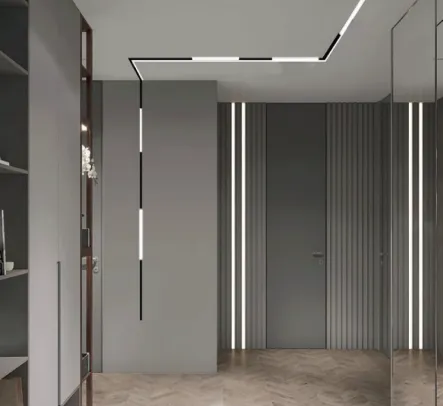
We've all been there. You flip the switch expecting beautiful, even illumination... only to get flickering lights, dark spots, or lights that simply refuse to work. That frustrating unpredictability in your magnetic track lighting system usually points to one common culprit: poor contact between the fixtures and track.
After personally troubleshooting dozens of these systems and diving into professional resources like lighting fixtures specialists (a crucial term we'll discuss later), I've discovered most contact issues aren't catastrophic failures. They're fixable problems stemming from neglect, environmental factors, or simple wear and tear.
In this comprehensive guide, I'll walk you through:
By the end, you'll transform your finicky track lights into a reliable, high-performance system that requires minimal maintenance. Let's restore your lights to their full potential!
At their core, magnetic track systems work through clever engineering:
Through years of servicing these systems, I've identified these common villains:
Professional Insight: Systems in kitchens or coastal areas degrade faster due to grease and salt air. Check them twice a year instead of annually.
Before starting, gather these essential tools:
Never substitute household cleaners - vinegar, baking soda, or window cleaners cause permanent damage to copper contacts!
This isn't just flipping a switch. Track systems often run on dedicated circuits - locate the correct breaker and use a non-contact voltage tester to confirm power is off. I always place tape over the breaker as insurance against accidental reactivation.
With power confirmed off:
Examine under bright light:
Document findings on paper or phone photos. These "before" images help track progress.
Using a fresh microfiber cloth:
For stubborn contamination:
Once spotless:
The moment of truth:
Check for any persistent flickering. If found, revisit contacts or suspect fixtures.
After cleaning, conduct this full system health check:
| Checkpoint | What to Look For | Acceptable Range |
|---|---|---|
| Track Alignment | Gaps between sections | < 0.5mm spacing |
| Fixture Movement | Wobble or unstable mounting | Solid, vibration-free |
| Visible Damage | Scorch marks, discoloration | None present |
| Power Loading | Wattage against circuit rating | Max 80% capacity |
| Connector Health | Corrosion or deformity | Clean, symmetrical pins |
Pro Tip: Use thermal imaging apps to detect hot spots indicating resistance issues - they show trouble before visible damage occurs.
Possible causes:
Track-specific issues:
Prevent problems with this routine:
Systems in high-humidity areas or near kitchens benefit from more frequent cleaning. When you notice any flickering, act immediately before corrosion sets in.
Understanding lighting fixtures compatibility with magnetic tracks is crucial during this process. Premium fixtures often use better contact materials that resist oxidation and last significantly longer.
Recognize when DIY isn't enough:
A licensed electrician familiar with track systems can diagnose deeper issues. Though a service call costs $75-150, it's cheaper than replacing an entire system!
Fixing magnetic track lighting contact issues isn't just about restoring illumination - it's about reclaiming your space's ambiance and functionality. Having wrestled with finicky systems myself, I assure you the rewarding "click" of everything working perfectly again is worth the effort.
Remember:
With your newfound knowledge and care routine, you'll extend your lighting system's lifespan while enjoying reliably brilliant illumination. Now go restore those lights and bask in the glow of success!
Recommend Products












