


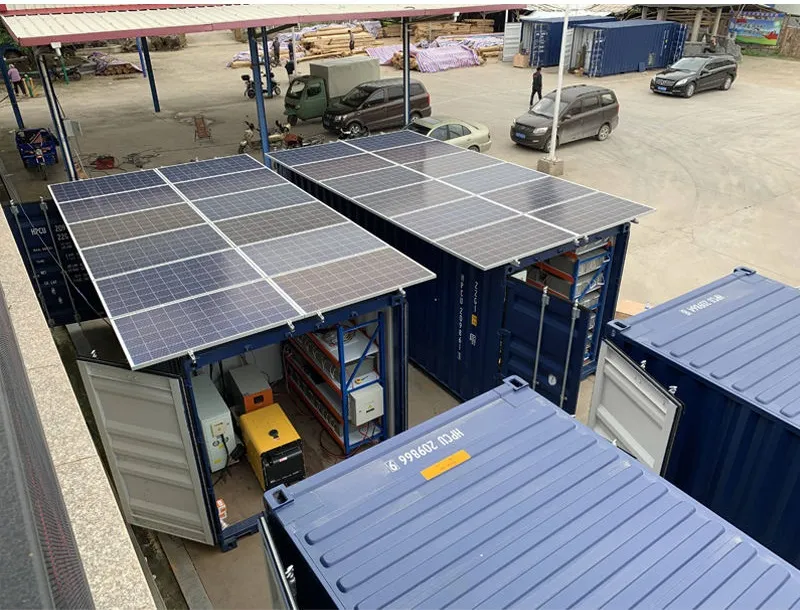
Let's talk about solar investments – they're a big deal, right? For homeowners and businesses alike, switching to solar isn't just about being eco-friendly; it's a major financial decision with years-long implications. And when it comes to affordable solar options, polycrystalline panels have been stealing the spotlight.
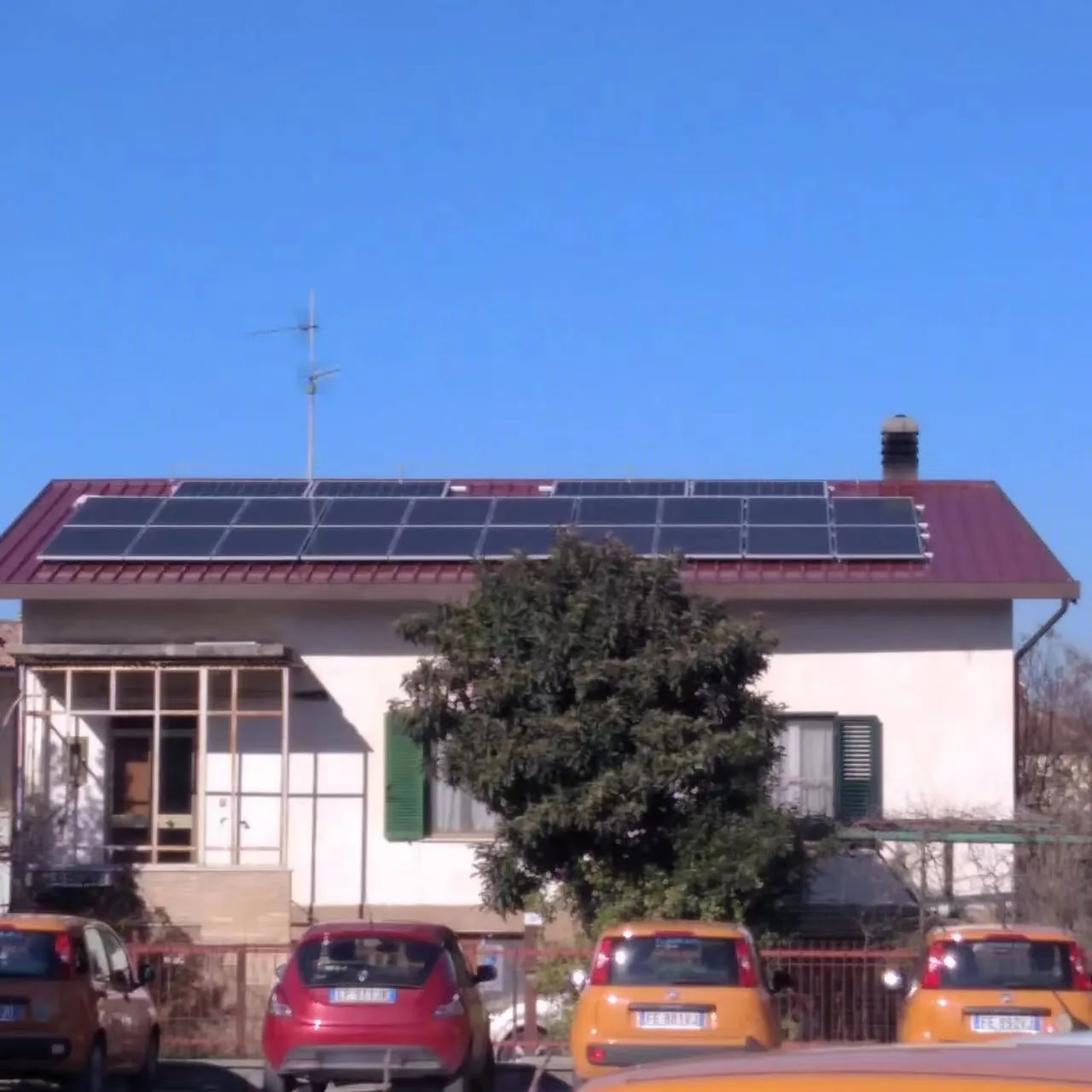
You've probably noticed those solar panels with that distinctive blue speckled appearance on rooftops. Those are polys – the budget-friendly warriors of the solar world. They're crafted by melting multiple silicon fragments together, creating unique crystals with lower production costs than their fancy monocrystalline cousins.
"The real story isn't just the sticker price at installation. It's about how these panels perform financially over 20-30 years – that's when you see what you're really paying for."
What Efficiency Really Means for Your Wallet
Here's the lowdown: polys typically operate at 13-16% efficiency . While that's lower than mono panels, don't write them off just yet. Efficiency isn't everything, especially when you've got space to spare on a large rooftop or open property.
Think of it this way: if your roof has plenty of real estate, installing a few extra polys can give you similar power output to fewer high-efficiency panels. And with polys costing roughly 15-20% less per panel? That's immediate savings stacking up right at installation.
Breaking Down the Costs: Year-by-Year Value
Where You Save Upfront
- Production Wins: Less silicon waste means manufacturers save money passing savings to you
- Installation Simplicity: Standard sizes make installations smoother and cheaper
- Bulk Discounts: When working with solar panel suppliers on larger projects, polys really shine with scale discounts
Long-Term Expenditures
- Panel replacements needed: Virtually none (same industry-leading 25-year warranties)
- Cleaning/maintenance costs: Same as any solar setup ($150-$300 annually)
- Efficiency drop after 25 years: Only about 15% lower than original output
The Secret Strength of Polys: Beyond Price Tags
Warrior Durability
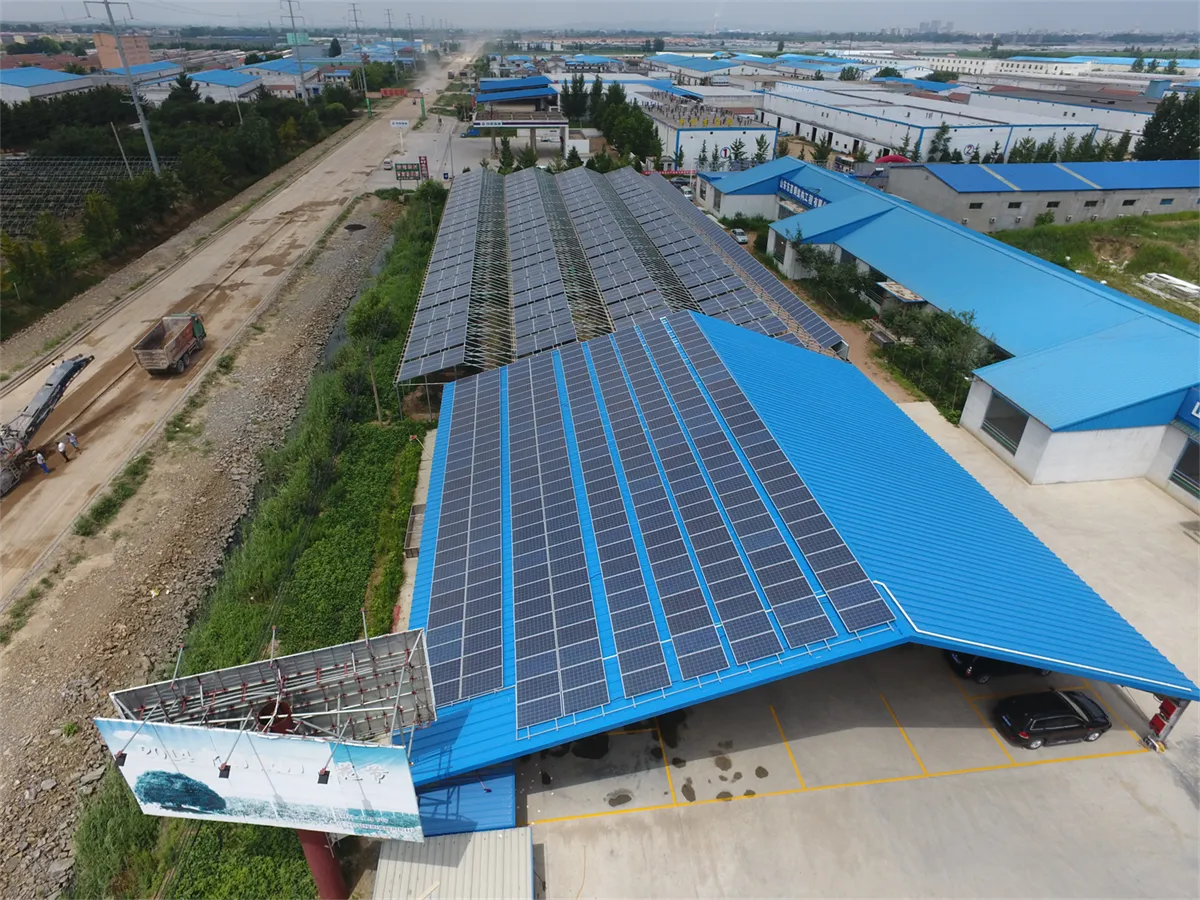
Picture your panels facing summer heatwaves, hailstorms, and freezing winters. Polys are like armored vehicles – they shrug off extreme weather like champions. That heat resistance? Crucial for installations in warmer climates where panels cook daily.
Manufacturing Footprint
Producing mono panels wastes almost half the raw silicon. Poly manufacturing? Way more efficient – about 90% of silicon gets used. If environmental impact influences your choices, this matters deeply.
The Trade-offs: What You Should Know
Let's be real – no tech's perfect. Polys have compromises you need to consider:
- Space Hunger: For tight urban rooftops, the extra needed panels might not fit
- Visual Factor: The speckled blue doesn't have monochrome's sleek look
- Lower Low-Light Output: Earlier models performed weaker on cloudy days – modern versions improved this drastically
Monocrystalline vs. Polycrystalline: The 30-Year Math
Here's where things get fascinating. At year 1, polys clearly win on price:
- Installation Cost: Polys save $1,500-$3,500 on average home systems
But at year 10? Monos might produce 5-8% more electricity. By year 25? The gap narrows as both technologies degrade.
The big reveal? When you run the numbers on cumulative savings from installation to decommissioning, polys often outperform monos in long-term ROI. That initial $3,000 savings reinvested wisely? That's where the real compounding magic happens.
Your Burning Questions Answered
Absolutely! Early polys struggled with efficiency gaps, but modern manufacturing innovations have shrunk that to about 1-3% for comparable models. That little difference becomes irrelevant when you factor in costs.
They've got serious endurance. Built to withstand temperatures from -40°F to +185°F without blinking. In fact, polys handle overheating slightly better than monos – their crystal structure reduces energy loss when roasting in Arizona summers.
You'll see them producing meaningful energy beyond 25 years. Industry warranties might expire then, but real-world data shows them operating reasonably at 70-75% efficiency even at the 30-year mark. Proper maintenance extends that further.
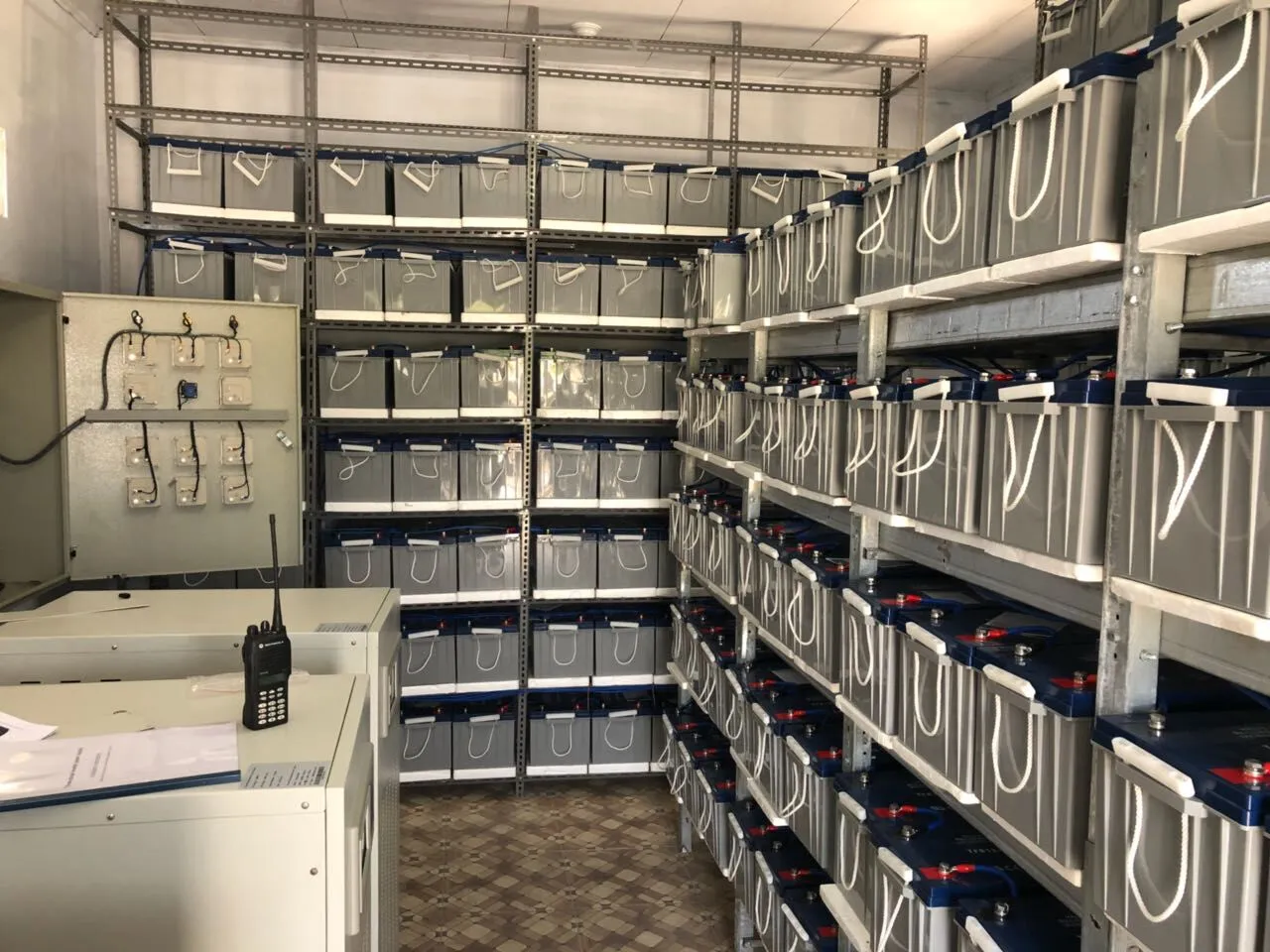
Smart thinking! Pairing polys with modern lithium batteries creates a killer combo. Even though polys might produce slightly less peak power, efficient batteries capture and distribute that energy effectively. Many battery manufacturers even create custom controllers optimized specifically for poly panels.
Wrapping Up the Cost Puzzle
Polycrystalline panels aren't just "cheaper alternatives" – they're financially strategic solutions with formidable long-term economics. For projects where rooftop space isn't constrained? The numbers speak loudly in their favor.
Yes, technology keeps evolving. But after decades on the market, polys have proven their financial durability – both in upfront savings and long-term performance reliability. For budget-conscious homeowners and large commercial operations alike, they remain a compelling path to energy independence.
The bottom line? Don't get dazzled by peak efficiency specs alone. True solar economics means understanding how equipment performs decade after decade, not just year one. And in that marathon, polycrystalline panels have consistently crossed the finish line with money still in your pocket.










