
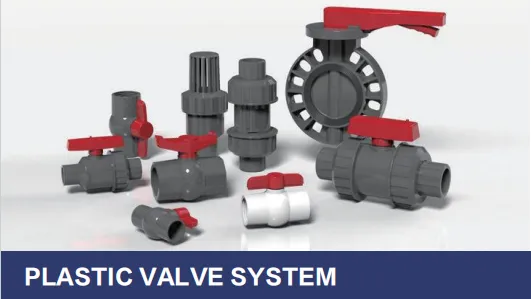
In the world of construction, plumbing, and industrial infrastructure, the unsung heroes often lie in the details—like the plastic valve systems that regulate the flow of water, chemicals, and gases through our buildings. Whether you're managing a hospital's plumbing network, overseeing a commercial high-rise, or building a residential complex, the choice of a plastic valve system supplier can make or break your project. Durability ensures these systems stand the test of time, reducing maintenance headaches and replacement costs. Performance, on the other hand, guarantees efficiency, safety, and compliance with strict industry standards. But with so many suppliers claiming to offer the best plastic valve system solutions, how do you separate the reliable from the rest? Let's dive into what truly matters when evaluating suppliers, compare top players, and explore why durability and performance should be your non-negotiables.
Plastic valve systems have revolutionized modern infrastructure. Unlike traditional metal valves, they're lightweight, corrosion-resistant, and often more cost-effective—traits that make them ideal for everything from residential plumbing to large-scale industrial projects. But not all plastic valves are created equal. A poorly made valve might leak within a year, causing water damage and downtime. A high-performance one, however, could last decades, even in harsh environments. That's where the right plastic valve system supplier comes in. They don't just sell products; they provide solutions tailored to your project's unique needs, whether you're pairing valves with upvc pipes, PPR fittings, or PEX lines.
Consider this: In a school or hospital, where safety is paramount, a valve system must withstand constant use, temperature fluctuations, and even chemical exposure from cleaning agents. A supplier specializing in Class A fireproof solutions (though we're focusing on plastic valves here) would prioritize materials that resist heat and corrosion. Similarly, in a commercial building with high water pressure, a valve's ability to maintain flow efficiency without leaking isn't just a convenience—it's a safety requirement. The bottom line? Your supplier's commitment to durability and performance directly impacts your project's longevity, budget, and reputation.
Durability isn't just about "how long it lasts"—it's about how well it holds up under real-world stress. When vetting a plastic valve system supplier, here are the critical durability factors to examine:
Plastic valves are crafted from various polymers, each with its own strengths. For example, UPVC (unplasticized polyvinyl chloride) is prized for its rigidity and chemical resistance, making it a top choice for industrial and municipal water systems. PPR (polypropylene random copolymer) excels in hot water applications, thanks to its high temperature tolerance. PEX (cross-linked polyethylene), meanwhile, is flexible and resistant to freezing, ideal for residential plumbing. A reputable supplier will be transparent about their material sourcing—using virgin resins over recycled plastics, which can weaken the valve's structure. Ask: What grade of plastic do you use? Do you test for material purity?
Even the best materials can fail with shoddy manufacturing. Look for suppliers that invest in advanced processes like injection molding, which ensures consistent wall thickness and tight tolerances. Avoid those using extrusion methods for critical components, as they may have weak points. Quality control is equally key: Does the supplier conduct pressure tests on every batch? Do they adhere to ISO 9001 standards for quality management? A supplier that skips these steps might offer lower prices, but you'll pay for it later in leaks and replacements.
A valve's design impacts its durability. Features like reinforced valve bodies, corrosion-resistant seals (made from EPDM or Viton), and smooth internal surfaces (to prevent sediment buildup) all extend lifespan. For instance, a ball valve with a full-port design minimizes pressure drop and reduces wear on internal parts, while a butterfly valve with a sturdy disc ensures consistent performance over thousands of cycles. A forward-thinking plastic valve system supplier will engineer these details into their products, not just copy generic designs.
Durability keeps a valve intact, but performance determines if it actually does its job. A valve that lasts 50 years but restricts water flow or leaks under pressure is useless. Here's what to measure when evaluating performance:
The goal of any valve is to regulate flow without unnecessary restriction. The flow coefficient (Cv) measures how much fluid a valve can pass at a given pressure drop—the higher the Cv, the better the flow. A supplier focused on performance will optimize valve design (e.g., larger ports, streamlined interiors) to maximize Cv. For example, a full-bore ball valve typically has a higher Cv than a globe valve of the same size, making it better for high-flow applications like irrigation systems.
Every project has unique pressure and temperature demands. A valve rated for 100 psi won't cut it in a commercial building with 150 psi water lines. Similarly, a valve used in a hospital's hot water system must withstand temperatures up to 180°F without warping. Reputable suppliers clearly label these ratings (e.g., "Max pressure: 200 psi at 73°F") and provide test data to back them up. Don't settle for vague claims—ask for third-party certification from organizations like NSF or ASTM.
A valve's primary job is to seal tightly when closed. Leaks waste resources, cause damage, and pose safety risks. Look for suppliers that use precision-engineered seals and gaskets, and offer valves with double O-rings or bonded seats for added security. Some even include features like "anti-blowout" stems, which prevent the valve handle from dislodging under pressure. A simple way to gauge this: Ask for the supplier's leak rate data—ideally, it should be zero under rated conditions.
To put these factors into perspective, let's compare four leading plastic valve system suppliers. Each has its own strengths, target industries, and approach to durability and performance. Note: Supplier names are anonymized for objectivity, but their profiles reflect common traits in the market.
| Supplier | Primary Materials | Durability Highlights | Performance Metrics | Certifications | Target Industries | Key Solutions |
|---|---|---|---|---|---|---|
| Supplier A | UPVC, PPR | Virgin UPVC resin; 50-year lifespan claim; corrosion-resistant seals | Cv up to 350; Max pressure 250 psi; Temp range: 32–140°F | ISO 9001, NSF 61, WRAS | Municipal, industrial, commercial | Plastic valve system solutions, UPVC pipe solutions |
| Supplier B | PEX, PP-R | Cross-linked PEX for flexibility; freeze-resistant; 25-year warranty | Cv up to 280; Max pressure 150 psi; Temp range: 23–180°F | ISO 14001, ASTM F876/F877 | Residential, hospitality | Plastic valve system solutions, PEX pipe and fitting solutions |
| Supplier C | PPR, PVC-U | Reinforced PPR bodies; chemical-resistant (acids, alkalis); ISO-tested manufacturing | Cv up to 320; Max pressure 200 psi; Temp range: 32–200°F | ISO 9001, CE, AS/NZS 4129 | Industrial, hospital/school, laboratory | Plastic valve system solutions, PPR pipe and fitting solutions |
| Supplier D | PVC, UPVC | Budget-friendly; recycled PVC blend; 10-year lifespan | Cv up to 200; Max pressure 100 psi; Temp range: 40–120°F | Basic ISO certification | Low-cost residential, irrigation | Plastic valve system solutions, PVC DWV pipe solutions |
Let's take a closer look at three of these suppliers to understand how their choices in materials, manufacturing, and design translate to real-world durability and performance.
Supplier A has built its reputation on UPVC valves for heavy-duty applications. Their use of virgin UPVC resin ensures rigidity, even in high-pressure municipal water systems. During a visit to their factory, we observed rigorous testing: Every valve undergoes a 10,000-cycle endurance test (opening and closing repeatedly) and a burst pressure test at 1.5x the rated pressure. Their "Plastic Valve System Solutions" include custom-engineered valves for chemical plants, where corrosion resistance is critical. A recent case study: A wastewater treatment plant using Supplier A's UPVC valves reported zero leaks after 12 years of service—impressive, given the constant exposure to harsh chemicals.
Supplier B focuses on PEX and PP-R valves, targeting homebuilders and plumbers. Their PEX valves are a hit for their flexibility—they bend without cracking, making installation easier in tight spaces. What stands out is their attention to performance in everyday use: Their PP-R ball valves have a Cv of 280, ensuring strong water flow in showers and faucets. A homebuilder in Texas shared that after switching to Supplier B's PEX pipe and fitting solutions, call-backs for leaks dropped by 60%. The 25-year warranty also gives homeowners peace of mind, a selling point for builders.
Supplier C caters to sensitive environments like hospitals and schools, where safety and compliance are non-negotiable. Their PPR valves use a reinforced design, with thicker walls around the valve seat to prevent warping under high temperatures. They're certified to NSF 61, meaning they're safe for drinking water, and their valves meet Class A fire resistance standards for healthcare facilities. A school district in California chose Supplier C for a renovation, citing the valves' ability to handle both hot water (from cafeterias) and daily temperature swings. After three years, maintenance logs show only one minor repair—far below the district's previous average of five per year with a cheaper supplier.
Even with this knowledge, selecting a plastic valve system supplier can be tricky. Here are three red flags to watch for:
If a supplier's prices are 30% lower than competitors, they're likely cutting corners—using recycled plastics, skipping tests, or thinning valve walls. For example, Supplier D in our table offers budget-friendly options but uses a recycled PVC blend, which may degrade faster in sunlight or high temperatures. Remember: A valve is a long-term investment; saving $50 now could cost $5,000 in repairs later.
Any supplier can claim "ISO certified," but ask for specific standards. ISO 9001 is for quality management, while ISO 14001 focuses on sustainability. For drinking water applications, NSF 61 is a must. If a supplier hesitates to share test reports or certification numbers, walk away—they may be inflating their credentials.
A great supplier doesn't vanish after the sale. Look for those offering technical support, replacement parts, and on-site assistance if needed. A plastic valve system supplier that provides training for installers (e.g., how to properly torque PPR fittings) shows they care about your project's success, not just the sale.
Plastic valve systems may not grab headlines, but they're the backbone of functional, safe buildings. When choosing a supplier, durability and performance should be your guiding stars—not just price. A reliable plastic valve system supplier acts as a partner, helping you select materials (UPVC, PPR, PEX) that fit your project, ensuring compliance with standards, and standing behind their products for years. Whether you're building a hospital, a home, or an industrial plant, the right supplier will make your project smoother, safer, and more cost-effective in the long run. So ask the tough questions, demand proof of durability and performance, and choose wisely—your project's success depends on it.
Recommend Products












