


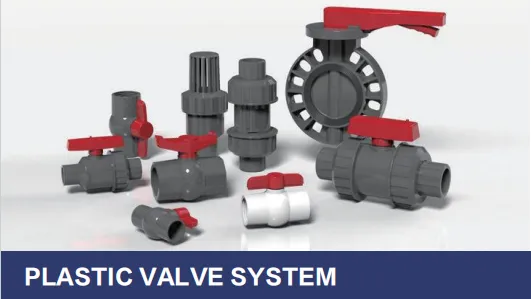
Picture this: You're sipping a perfectly pasteurized juice, trusting that every drop passed through equipment designed like a fortress against contamination. Plastic valve systems are the unsung heroes making this possible – and they're transforming industrial safety standards globally.
Why Plastic Valves Matter More Than Ever
Let's be real - in industries like food production, pharmaceuticals, and biotech, contamination isn't just a "oops" moment. It's potentially deadly. That's why plastic valve systems have become the backbone of modern hygienic processing. They're not just components; they're the guardians of purity.
The global pandemic turned the spotlight on hygiene like never before. Suddenly, manufacturers realized stainless steel alone couldn't cut it – plastic valve systems stepped up with next-level corrosion resistance, unmatched smooth surfaces to prevent bacterial hideouts, and surprisingly budget-friendly solutions.
The Cost of Cutting Corners
When you think about the fallout from a contamination scandal – product recalls, legal nightmares, destroyed reputations – investing in the right valves stops feeling like an expense and starts looking like insurance. We've all seen those horror stories in the news.
What's Inside the Toolbox?
Walk through any modern processing plant, and you'll find these plastic valve superstars doing the heavy lifting:
The Flexible All-Rounder: Butterfly Valves
Think of these as the Swiss Army knives of valves. With their sleek, 360° sealing surfaces, they're perfect when you need:
- Quick installation in tight spaces
- Visible position indicators showing flow status
- Minimal product dead zones where gunk could collect
Precision Masters: Ball Valves
When every milliliter counts – like adding exact flavor doses to thousands of energy drinks daily – ball valves offer shut-off precision that'd make a Swiss watch jealous. Their true strength? Handling high pressures without flinching.
The Sterility Specialist: Diaphragm Valves
These are the VIPs in vaccine labs. By completely separating the product flow from mechanical components, they're the ultimate barrier against microscopic invaders. I've watched pharmaceutical engineers sleep better just knowing these are on duty.
The Backflow Bodyguard: Check Valves
Ever worry about fluids reversing course? Check valves automatically slam the door on backward flows, preventing the ultimate nightmare scenario: raw materials contaminating finished products. Their silent, no-power-needed operation is what engineers love most.
Making the Smart Choice: More Than Just Picking Plastic
Selecting valves isn't just shopping; it's strategic decision-making. Here's what matters most:
That "PP" or "PVDF" label isn't industry jargon - it's your cheat sheet. Polypropylene (PP) handles aggressive cleaners that'd eat through lesser materials, while Polyvinylidene fluoride (PVDF) laughs off solvents that would melt regular plastics. Know your chemistry.
Surface Finish: Your Microscopic Defense
Rough surfaces are bacterial Airbnb. A ≤0.8 µm Ra finish creates a frictionless surface where pathogens can't gain footing. It's like having microscopic bouncers preventing microbial parties.
The Compliance Alphabet Soup
FDA, EHEDG, 3-A – these aren't random letters. They're your legal armor:
- FDA compliance keeps food regulators off your back
- EHEDG certification means smooth cleaning cycles
- 3-A approval specifically protects dairy quality
Connection Matters: The Marriage Problem
Mix tri-clamp, DIN, and SMS fittings in one system, and you've created maintenance hell. Standardizing connections isn't about neatness – it's about operators not fumbling with different tools during high-pressure cleaning cycles.
Keep Them Happy: Maintenance That Actually Works
Even Superman needs downtime. Valve maintenance isn't glamorous, but it's where the real magic happens:
The Cleaning Validation Dance
Automated CIP cycles look impressive, but swabbing hidden areas proves they work. Found residue in elbow joints? That's your system whispering where it needs attention. Better to listen than be rudely surprised during an audit.
Lubrication: Not Any Grease Will Do
Using industrial grease on food valves is like adding motor oil to salad dressing. Food-grade silicone lubricants maintain seals without turning into toxic surprises in your product.
A brewer once told me, "Our valve maintenance logs are more detailed than our wedding albums." That documentation turned an FDA audit from nightmare to minor formality. Paperwork saves careers.
Where Plastic Valves Transform Industries
The Food Revolution
Plastic valves allowed craft brewers to safely switch between pumpkin ale and IPA without flavor carryover. Their smooth surfaces revolutionized sauce production – no more tomato seeds caught in metal crevices breeding bacteria.
Life-Saving Precision in Pharma
When COVID vaccines needed manufacturing at lightspeed, plastic diaphragm valves became heroes. They maintained sterility while handling sensitive mRNA components that reacted with traditional metals.
Bio-Tech's Silent Partner
Fermentation processes demand pressure consistency and contamination control that plastic valves deliver without fuss. Their chemically inert surfaces won't interfere with delicate cellular processes – a key factor in sustainable bio-manufacturing innovation.
Tomorrow's Valves Already Knocking
The valve revolution is accelerating:
Smart Valves: Brains Added to Brawn
Picture valves that text operators: "Seal weakening in Batch 34" or "Flow rate dropping at Port 2". This isn't sci-fi – IoT-enabled sensors now monitor wear and contamination risks in real-time.
The Sustainability Wave
New composite materials are turning old valves into new ones. One plant manager told me proudly how their redesigned plastic valves cut cleaning water by 40% - "Our sustainability report practically wrote itself!"
The Modular Advantage
Pre-assembled plug-and-play valve blocks are changing factory layouts. Need to scale production? Add standardized modules like Lego blocks instead of custom-fabricating welded assemblies.
I've watched companies hesitate at plastic valve costs, only to calculate payback periods of under 18 months from reduced downtime and water savings. The energy savings from these systems' streamlined flow pathways is literally paying for the installation.
The Bottom Line: Value Beyond Price
Yes, plastic valves cost more upfront than basic metal versions. But frame the decision differently:
- Product protection: What's your recall cost?
- Brand reputation: Can you quantify lost trust?
- Operational savings: Water, chemicals, energy add up fast
Forward-thinking plants have moved beyond choosing valves to designing flow ecosystems. With plastic valve technology advancing monthly, those investing now aren't just upgrading equipment – they're future-proofing their operations against whatever contamination challenges tomorrow brings.










