
Walk through any major construction site in Saudi Arabia today, and you'll notice a common thread: the race to build smarter, faster, and more sustainably. From the gleaming skyscrapers of Riyadh to the ambitious mega-projects of NEOM and The Line, the kingdom's construction sector is booming, driven by Vision 2030's goal to diversify the economy and create world-class infrastructure. At the heart of this building spree lies a critical, often overlooked component: the materials that hold it all together. Among these, plastic valve systems and piping solutions have emerged as unsung heroes, offering durability, efficiency, and cost-effectiveness that align perfectly with Saudi Arabia's unique construction needs. But not all suppliers are created equal. In a market where precision, reliability, and local expertise matter, the right plastic valve system supplier isn't just a vendor—they're a partner in building the future.
Saudi Arabia's construction landscape is unlike any other. With scorching temperatures that can exceed 50°C in summer, coastal regions prone to saltwater corrosion, and vast, remote project sites like NEOM stretching across deserts, the materials used here must withstand extreme conditions. For decades, metal valves and pipes were the go-to choice, but they came with a steep price: rapid corrosion, high maintenance costs, and heavy installation requirements that slowed down projects.
Enter plastic valve systems and piping solutions. Made from materials like PVC, UPVC, PPR, and PE, these products offer a game-changing combination of benefits: they're lightweight, easy to install, resistant to corrosion and chemical damage, and far more cost-effective than metal. In a country where every riyal counts and project timelines are tight, these advantages have made plastic systems indispensable. Whether it's a residential complex in Jeddah, a hospital in Riyadh, or an industrial facility in Jubail, plastic valves and pipes are quietly ensuring that water flows, sewage is managed, and systems run smoothly—even in the harshest environments.
Choosing plastic over metal is just the first step. Saudi Arabia's construction sector comes with its own set of unique challenges that demand more than off-the-shelf products. For starters, local regulations are strict. The Saudi Standards, Metrology and Quality Organization (SASO) sets rigorous benchmarks for building materials, and non-compliance can lead to project delays, fines, or even structural failures. Then there's the climate: extreme heat can cause some plastics to warp or degrade over time, while sandstorms and saltwater (in coastal areas like Dammam) can erode lesser-quality materials. Add to that logistical hurdles—delivering materials to remote sites like The Line, which spans 170 km in the desert—and it's clear: successful projects rely on suppliers who understand these challenges intimately.
An expert plastic valve system supplier doesn't just sell products; they provide solutions tailored to Saudi Arabia's realities. This means conducting rigorous testing to ensure products perform in 50°C heat, offering technical support to navigate SASO certifications, and maintaining local warehouses to ensure timely deliveries to even the most isolated job sites. In short, they're not just supplying parts—they're mitigating risks, saving time, and ensuring that projects stay on track.
A leading plastic valve system supplier in Saudi Arabia doesn't limit itself to one product. Instead, it offers a comprehensive range of piping and valve solutions to meet the diverse needs of residential, commercial, and industrial projects. Let's take a closer look at some of the key offerings that set top suppliers apart:
| Product | Key Applications | Saudi-Specific Benefits |
|---|---|---|
| UPVC Pipe | Water supply, irrigation, industrial fluid transport | High heat resistance (up to 60°C), corrosion-proof, ideal for desert and coastal areas |
| PPR Pipe and Fitting | Hot and cold water systems in homes, hotels, hospitals | Excellent thermal stability, leak-proof joints, reduces energy loss in hot water systems |
| PVC DWV Pipe | Drainage, waste, and vent systems in residential and commercial buildings | Lightweight, easy to install in high-rise buildings, resistant to chemical buildup from sewage |
| Plastic Valve System | Flow control in water supply, HVAC, and industrial systems | Corrosion-resistant, low maintenance, compatible with all plastic piping systems |
When it comes to reliable water transport in Saudi Arabia, UPVC pipe is a staple. A trusted UPVC pipe supplier knows that in a country where water scarcity is a concern, efficiency is key. UPVC pipes are smooth on the inside, reducing friction and allowing water to flow with minimal pressure loss—critical for long-distance irrigation systems in agricultural projects or water supply networks in sprawling cities like Riyadh. What's more, their resistance to corrosion means they can handle both freshwater and, in coastal areas like Jeddah, slightly saline water without degrading. For developers building residential complexes, this translates to lower maintenance costs and longer system lifespans—two factors that make projects more attractive to investors.
Hospitals, hotels, and luxury homes in Saudi Arabia demand consistent hot water, even in the peak of summer. That's where PPR pipe and fitting suppliers shine. PPR (polypropylene random copolymer) pipes are designed to handle high temperatures—up to 95°C—making them ideal for hot water systems. Unlike metal pipes, which can develop leaks at joints over time, PPR fittings use heat fusion to create seamless, leak-proof connections. This not only reduces the risk of water damage but also lowers energy costs by minimizing heat loss. For a hotel in Makkah, where thousands of pilgrims require hot water year-round, a reliable PPR pipe and fitting supplier isn't just providing materials—they're ensuring guest satisfaction and operational efficiency.
Drainage, waste, and vent (DWV) systems are the unsung heroes of any building, and in Saudi Arabia's high-rise structures, they face unique challenges. A top PVC DWV pipe supplier understands that these pipes need to handle not just waste but also extreme temperatures and the occasional sand intrusion. PVC DWV pipes are lightweight, making them easier to install in skyscrapers where lifting heavy metal pipes is costly and time-consuming. They're also resistant to the chemical buildup that can clog lesser-quality pipes, ensuring that sewage systems remain functional for decades. In a commercial tower in Riyadh, for example, a reliable PVC DWV pipe supplier can mean the difference between a smoothly operating building and costly, disruptive repairs.
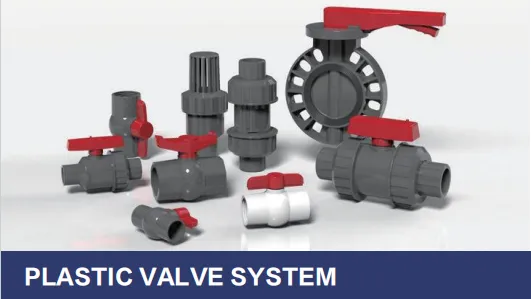
No piping system is complete without valves, and plastic valve system suppliers in Saudi Arabia are redefining what these components can do. Modern plastic valves are designed to be durable, easy to operate, and compatible with all major plastic piping systems. They're also customizable—suppliers can tailor valve sizes and pressure ratings to fit specific project needs, whether it's a small residential complex or a large industrial plant. In NEOM, where construction is happening in remote desert areas, plastic valves offer an added advantage: they don't require frequent lubrication or maintenance, reducing the need for on-site technicians. For project managers working against tight deadlines, this reliability is priceless.
What truly sets a top plastic valve system supplier apart in Saudi Arabia isn't just the quality of their products—it's their ability to think like a partner. Construction projects here are complex, and builders often face unexpected challenges: a last-minute design change, a delay in material deliveries, or a need to meet a stricter SASO standard than initially planned. An expert supplier doesn't just say, "Here's your order"—they roll up their sleeves and help solve problems.
Take, for example, a recent hospital project in Jeddah. The client needed a DWV system that could withstand high temperatures and meet Class A fire safety standards. The supplier didn't just ship PVC DWV pipes; they conducted on-site tests to ensure the pipes met fire resistance requirements, provided technical drawings to help the construction team optimize installation, and even arranged for a team of engineers to supervise the fitting process. When a delay in concrete pouring threatened to push back the project timeline, the supplier expedited a second shipment of pipes from their local warehouse, ensuring work could resume on schedule. This kind of support—proactive, hands-on, and tailored to the project—turns suppliers into trusted allies.
Another key aspect of supplier expertise is compliance. Saudi Arabia has strict regulations for building materials, and failing to meet SASO standards can derail a project. Leading suppliers invest heavily in ensuring their products are certified, providing clients with detailed documentation and test reports upfront. They also stay ahead of regulatory changes, updating their product lines to meet new requirements before they go into effect. For international developers unfamiliar with local standards, this guidance is invaluable—it reduces risk and ensures projects pass inspections with flying colors.
To understand the impact of supplier expertise, let's look at a real-world example: the construction of a 40-story commercial tower in Riyadh's King Abdullah Financial District (KAFD). The project, which included offices, retail spaces, and a luxury hotel, required a comprehensive piping and valve system that could handle high water pressure, extreme temperatures, and heavy usage. The developer turned to a leading plastic valve system supplier with a reputation for reliability in large-scale projects.
The challenges were significant. The tower's height meant water needed to be pumped to the top floors, requiring pipes and valves that could withstand high pressure. The hotel's HVAC system demanded precise flow control to maintain comfortable temperatures in all rooms, even when external temperatures soared. Additionally, the project had a tight 18-month timeline, leaving no room for delays.
The supplier's solution was multi-faceted. First, they recommended a combination of UPVC pipes for the main water supply (chosen for their pressure resistance) and PPR pipes for the hotel's hot water systems (for their thermal stability). For flow control, they provided custom-sized plastic valves with reinforced bodies to handle high pressure. To ensure the system would perform in Riyadh's heat, they conducted thermal cycling tests—exposing pipes and valves to temperatures ranging from 0°C to 60°C for 1,000 cycles—to simulate years of use. All products were SASO-certified, with documentation provided upfront to streamline inspections.
But the support didn't stop at delivery. The supplier assigned a dedicated project manager to work alongside the construction team, conducting weekly site visits to address any issues. When the team encountered a problem with valve installation in the tower's upper floors, the supplier's engineers arrived within 24 hours to provide on-site training. Thanks to this collaboration, the piping and valve system was installed two weeks ahead of schedule, allowing the developer to open the tower to tenants on time.
Today, the tower stands as a testament to what's possible when expertise meets collaboration. Its plumbing systems run efficiently, with minimal maintenance issues, and the developer has since partnered with the same supplier on two more projects in KAFD. As one project manager put it: "We don't just buy pipes and valves—we buy peace of mind."
As Saudi Arabia's construction sector continues to evolve, so too will the role of plastic valve system suppliers. Looking ahead, three trends are set to shape the industry:
Vision 2030 places a strong emphasis on sustainability, and green building practices are becoming the norm. Suppliers are already exploring ways to make plastic valve systems more eco-friendly, from using recycled materials in production to developing pipes and valves that reduce water waste. Smart valves with IoT sensors, which can detect leaks and adjust flow automatically, are also on the rise—helping buildings conserve water and lower utility costs.
Extreme temperatures remain a challenge, and suppliers are investing in new materials that can withstand even higher heat. For example, some are testing modified UPVC blends that can operate at temperatures up to 70°C, expanding their use in industrial settings. Others are exploring self-healing plastics, which can repair small cracks automatically, reducing maintenance needs further.
To reduce reliance on imports and support the "Made in Saudi" initiative, suppliers are increasingly setting up local manufacturing facilities. This not only speeds up delivery times but also creates jobs and ensures products are tailored to local conditions. In the coming years, we can expect to see more Saudi-made plastic valve systems and pipes, designed specifically for the kingdom's unique construction needs.
Plastic valve systems and piping solutions may not be the most glamorous part of construction, but they're the backbone of every building. In Saudi Arabia's fast-paced, high-stakes construction market, choosing the right supplier isn't just a business decision—it's a strategic one. The best suppliers bring more than products to the table; they bring expertise, support, and a deep understanding of what it takes to build in this unique environment.
As the kingdom continues to grow and transform, these suppliers will play an increasingly vital role. Whether it's supporting the construction of NEOM's futuristic cities, ensuring hospitals have reliable water systems, or helping hotels provide comfort to millions of visitors, their work is helping turn Vision 2030 into reality. So the next time you walk into a skyscraper in Riyadh or a hotel in Jeddah, take a moment to appreciate the plastic pipes and valves hidden behind the walls. They may be out of sight, but their impact is everywhere—and the suppliers who provide them are building Saudi Arabia's future, one pipe at a time.
Recommend Products












