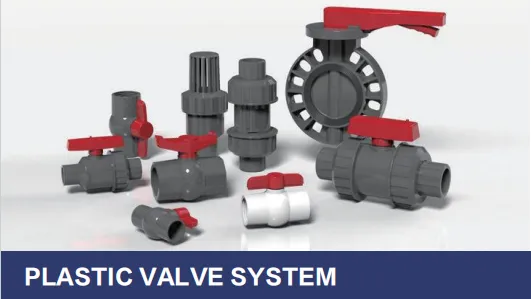
So, what exactly should you be looking for when evaluating a plastic valve system warranty? Let's break it down, piece by piece. Think of it like reading a contract—you wouldn't sign on the dotted line without understanding the terms, and the same goes for your warranty.
Coverage Duration:
This is the first thing to check. How long does the warranty last? Some suppliers offer 1 year, others 5, 10, or even lifetime coverage. Keep in mind that longer isn't always better—context matters. A lifetime warranty might sound impressive, but if it's riddled with exclusions, it's practically useless. Conversely, a 5-year warranty with comprehensive coverage could be far more valuable. Look for duration that aligns with the expected lifespan of the product; for example, UPVC pipes are known to last 50+ years, so a warranty that covers at least a decade shows the supplier has confidence in their longevity.
Parts vs. Labor:
Does the warranty cover just the cost of replacement parts, or does it also include labor? This is a critical distinction. If a valve fails and you have to hire a plumber to replace it, labor costs can add up quickly. Reputable suppliers often cover both parts and labor for the warranty period, recognizing that installation is part of the product's performance. Cheaper suppliers, however, might only cover parts, leaving you to foot the bill for professional installation—a sneaky way to reduce their liability.
Exclusions:
Here's where suppliers often hide catches. Common exclusions include damage from improper installation, misuse, chemical exposure, or natural disasters. While some exclusions are reasonable (no warranty will cover intentional damage), be wary of overly broad language. For example, a warranty that excludes "any damage caused by water pressure fluctuations" is problematic—water pressure can vary in any plumbing system, and that's something the product should be designed to handle. A reputable supplier will clearly outline specific, reasonable exclusions, not blanket statements that void coverage at the first sign of trouble.
Claim Process:
How easy is it to file a warranty claim? A complicated process with mountains of paperwork, strict deadlines, or unresponsive customer service is a red flag. Look for suppliers that streamline claims—online portals, clear contact information, and a dedicated support team. The best suppliers will even work directly with your installer or contractor to resolve issues quickly, minimizing project delays.
Transferability:
If you're building a property to sell or renting it out, transferability matters. Can the warranty be transferred to a new owner? Many suppliers offer this as a standard feature, adding value to the property. Non-transferable warranties, on the other hand, become worthless once the property changes hands, which can be a turnoff for buyers or tenants.