
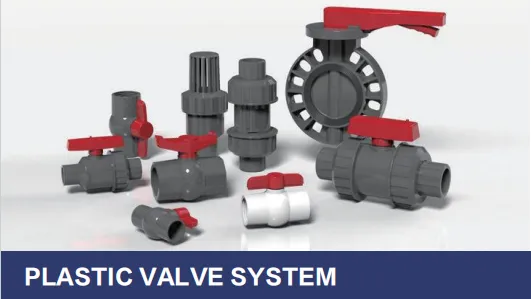
In the high-stakes world of construction and infrastructure development, deadlines aren't just dates on a calendar—they're promises to clients, budgets hanging in the balance, and reputations on the line. Whether you're building a bustling commercial complex, a critical healthcare facility, or a residential high-rise, the difference between on-time completion and costly delays often comes down to one factor: the reliability of your material suppliers. Nowhere is this more true than in the realm of plastic valve systems and piping solutions, where a single delayed shipment can bring an entire project to a grinding halt. For contractors, project managers, and developers, finding a plastic valve system supplier that doesn't just deliver products but delivers on time has become the cornerstone of successful project execution.
If you've ever stood on a construction site, clipboard in hand, staring at a schedule that's already slipping, you know the pressure. Subcontractors are lined up, labor costs are mounting, and every day past the deadline eats into profits. "Why can't these suppliers just get it right?" you might mutter, as another email notification pops up: "Shipment delayed due to unforeseen logistics issues." It's a frustration shared by industry professionals worldwide—and it's why the modern construction landscape is increasingly prioritizing suppliers who offer more than just quality products. Today, contractors don't just need plastic valve system solutions; they need partners who understand that time is the most valuable commodity on any job site.
Delays in material deliveries aren't just inconvenient—they're expensive. According to a 2024 report by the Construction Industry Institute, the average construction project faces 11% cost overruns due to supply chain disruptions, with material delays accounting for nearly 60% of those overruns. For a mid-sized commercial project with a $10 million budget, that's $660,000 in avoidable expenses. But the costs go beyond dollars and cents. Missed deadlines can strain client relationships, lead to contract penalties, and even damage a company's reputation in a competitive market. When a plastic valve system or a batch of PVC DWV pipes arrives a week late, it's not just the plumbing team sitting idle—it's electricians, drywall installers, and other subcontractors whose schedules are thrown off, creating a domino effect that ripples through the entire project timeline.
Consider the case of a hospital expansion project in Riyadh, Saudi Arabia, in 2023. The project was already on a tight 18-month timeline to meet the growing demand for healthcare services. Six months in, the team hit a snag: their original supplier of plastic valve systems and PPR pipe and fittings faced a raw material shortage, pushing delivery back by three weeks. The delay forced the general contractor to reschedule the plumbing subcontractor, who then had to push back the electrical work, which in turn delayed the installation of ceiling systems. By the time the materials finally arrived, the project was six weeks behind schedule, and the client was threatening legal action. The contractor ultimately switched to a new supplier—one specializing in fast-track plastic valve system solutions—and managed to claw back some time, but the damage was done: the project finished two months late, and the contractor absorbed over $1.2 million in additional costs.
Stories like this aren't outliers—they're a wake-up call. In an industry where 70% of projects report at least one significant delay, according to the Project Management Institute, the need for suppliers with a proven track record of fast delivery has never been clearer. And when it comes to plastic valve systems, PVC DWV pipes, PPR fittings, and other critical plumbing components, the stakes are even higher. These aren't decorative materials that can be swapped out at the last minute; they're foundational elements that dictate the entire flow of a building's infrastructure. Without them, progress stops.
At first glance, "fast delivery" might seem like a basic requirement for any supplier. After all, who wants to wait longer than necessary for materials? But in construction, fast delivery isn't just a convenience—it's a strategic advantage. Here's why:
The global supply chain has been anything but stable in recent years. From port congestion and raw material shortages to geopolitical tensions and transportation bottlenecks, there are countless variables that can disrupt even the best-laid plans. A supplier with a focus on fast delivery doesn't just react to these disruptions—they anticipate them. By maintaining regional warehouses, partnering with multiple logistics providers, and using data-driven inventory management, they create a buffer against volatility. For example, a leading plastic valve system supplier in the Middle East operates three regional distribution centers in Saudi Arabia, each stocked with a 90-day supply of critical products like plastic valve systems, PEX pipe and fittings, and PVC DWV pipes. When a sudden surge in demand or a transportation delay hits one region, they can reroute inventory from another center, ensuring clients still get their orders on time.
Modern construction projects rarely follow a linear path. Design changes, permit delays, or unexpected site conditions can force teams to pivot quickly. A supplier with fast delivery capabilities empowers project managers to adapt without derailing the entire schedule. Suppose an architect revises the plumbing layout halfway through a commercial project, requiring additional PPR pipe and fittings. A supplier with a 48-hour fast-track option can deliver the new materials in time to keep the plumbing team on track, whereas a slower supplier might take two weeks, forcing the team to halt work. In an industry where agility is key to survival, this kind of responsiveness is priceless.
Storing excess materials on-site is a common workaround for unreliable suppliers, but it's a costly one. Construction sites have limited space, and storing large quantities of plastic valve systems, pipes, and fittings requires secure storage areas, which eat into valuable real estate. Additionally, materials left on-site are vulnerable to damage from weather, theft, or accidents. Fast-delivery suppliers eliminate the need for overstocking. Contractors can order materials just in time (JIT) for when they're needed, reducing storage costs and minimizing waste. For a residential project with 50 units, this can translate to savings of $10,000–$15,000 in storage and insurance costs alone, according to the National Association of Home Builders.
At the end of the day, construction is a relationship business. Clients hire contractors who they believe can deliver on their promises, and nothing builds trust faster than consistently meeting deadlines. When a contractor can reliably source materials—even on short notice—it gives clients confidence that the project is in capable hands. Conversely, repeated delays due to supplier issues erode that trust, making it harder to win future contracts. In a survey of 500 construction clients conducted by Dodge Data & Analytics, 82% said they would be more likely to rehire a contractor who completed a project on time, even if costs were slightly higher. Fast delivery, then, isn't just about keeping a project on track—it's about securing the future of your business.
So, what sets the fast-delivery suppliers apart from the rest? It's not magic—it's strategy. The leading plastic valve system suppliers, PPR pipe and fitting suppliers, and PVC DWV pipe suppliers have invested in systems, processes, and partnerships that prioritize speed without sacrificing quality. Here's a closer look at their playbook:
The most reliable suppliers understand that proximity matters. Instead of relying on a single central warehouse halfway across the country (or the world), they maintain multiple regional distribution centers strategically located near major construction hubs. For example, a plastic valve system supplier serving Saudi Arabia might have warehouses in Riyadh, Jeddah, and Dammam, each stocked with high-demand products like plastic valve systems, PEX pipe and fittings, and PVC DWV pipes. This localization cuts down on transportation time, allowing for same-day or next-day delivery to most job sites. Some suppliers even offer "hub-and-spoke" models, where regional centers are replenished nightly from a larger central facility, ensuring inventory levels stay high without overstocking.
Take, for instance, a supplier specializing in plastic valve system solutions with a warehouse in Riyadh. A contractor working on a shopping mall in the city can place an order for 200 plastic valves at 2 p.m. and have them delivered by 9 a.m. the next morning. Compare that to a supplier based in Europe, which might take 7–10 days for shipping alone. Local inventory isn't just about speed—it's about reliability. Even if a national transportation network is disrupted, regional warehouses can often rely on local logistics partners to keep deliveries on track.
Gone are the days of guesswork in inventory management. Today's top suppliers use advanced analytics and machine learning to predict demand patterns, ensuring they always have the right products in stock when clients need them. By analyzing historical order data, seasonal trends, and even upcoming construction projects in the area, these systems can forecast which plastic valve systems, PPR pipe and fittings, or PVC DWV pipes will be in high demand in the coming weeks and months. For example, if data shows that demand for PEX pipe and fittings spikes in Saudi Arabia during the cooler winter months (when construction activity increases), the supplier can boost inventory levels in the fall to meet the surge. This proactive approach reduces the risk of stockouts and ensures fast delivery even during peak periods.
Some suppliers take this a step further by integrating their inventory systems with their clients' project management software. This real-time visibility allows the supplier to anticipate when a client might need to reorder, sending automated alerts or even proactively shipping materials before the client places an order. It's a level of collaboration that transforms the supplier-client relationship from transactional to partnership-based—and it's a game-changer for meeting tight deadlines.
For custom or high-volume orders, even the best inventory management might not be enough. That's why leading suppliers invest in flexible manufacturing capabilities that allow them to ramp up production quickly. A plastic valve system supplier with its own manufacturing facilities can prioritize urgent orders, adjusting production schedules to meet tight deadlines. For example, if a contractor needs 500 custom-sized PVC DWV pipes for a hospital project in two weeks (half the standard lead time), a supplier with in-house production can allocate extra shifts or reallocate resources to fulfill the order on time. This flexibility is especially critical for specialized projects, where off-the-shelf products might not suffice.
Bulk ordering programs are another tool in the fast-delivery toolkit. Many suppliers offer discounted rates for clients who commit to quarterly or annual orders, but they also provide "release on demand" options. This means the client can place a large order upfront, and the supplier holds the inventory, shipping smaller batches as needed. For a contractor working on a multi-phase residential project, this ensures a steady supply of plastic valve systems and PPR pipe and fittings without the need to store large quantities on-site. When the next phase starts, the supplier can deliver the required materials within 24–48 hours, keeping the project moving forward without delays.
Even the best inventory and manufacturing systems fall flat if the transportation network fails. That's why top suppliers partner with multiple logistics providers, including local delivery companies, national carriers, and even air freight services for emergency orders. By diversifying their transportation options, they reduce the risk of delays due to a single carrier's issues (e.g., a truck breakdown, a labor strike, or weather-related disruptions). For example, a supplier might use a primary logistics partner for standard deliveries but have a secondary partner on standby for rush orders. In cases of extreme urgency—like a project facing a critical deadline—they might even charter a dedicated truck or use air freight to get materials to the job site as quickly as possible.
Technology also plays a role here. Many suppliers use GPS tracking and real-time delivery monitoring to keep clients informed every step of the way. Clients receive automated updates when their order ships, when it's en route, and when it's scheduled for delivery—eliminating the need for constant follow-up calls and reducing anxiety. Some suppliers even offer "white-glove" delivery services, where materials are not just dropped off but unloaded, counted, and inspected on-site, saving the contractor valuable time.
To put these strategies into context, let's look at a real-world example of how a fast-delivery plastic valve system supplier turned the tide for a struggling project. In early 2024, a leading construction firm in Dubai was tasked with building a 20-story office tower for a multinational corporation. The client had a hard deadline: the building needed to be ready for occupancy by January 2025 to align with the company's regional expansion plans. By August 2024, the project was 70% complete—but then disaster struck.
The original supplier of PPR pipe and fittings and plastic valve systems informed the contractor that a production issue would delay their next shipment by four weeks. With the plumbing rough-in phase already behind schedule, a four-week delay would push the project past the January deadline, triggering a $50,000-per-week penalty clause in the contract. The contractor was desperate—until they reached out to a new supplier specializing in fast-track plastic valve system solutions.
The new supplier acted quickly. First, they conducted a thorough review of the project's material requirements, identifying which PPR pipe and fittings, plastic valve systems, and PVC DWV pipes were needed immediately. Next, they checked their regional warehouse in Dubai and found they had 60% of the required materials in stock. For the remaining 40%, they leveraged their flexible manufacturing facility in Oman, prioritizing the order and running two extra shifts to produce the needed items. Finally, they partnered with a local logistics company to arrange daily deliveries, ensuring the materials arrived on-site in batches as they were produced—rather than waiting for the entire order to be completed.
The result? The first batch of materials arrived within 72 hours of the order being placed, and the full order was completed in just 10 days—three weeks ahead of the original supplier's revised deadline. The plumbing team was able to resume work immediately, and the project got back on track. In the end, the office tower was completed on time, the client was thrilled, and the contractor avoided over $200,000 in penalties. "We didn't just get materials—we got a lifeline," said the project manager in a post-project interview. "That supplier didn't just deliver products; they delivered peace of mind."
Not all fast-delivery suppliers are created equal. To help you evaluate your options, we've compiled a comparison of key product categories, their typical delivery timelines, and what to look for in a supplier. Use this as a guide when selecting partners for your next project:
| Product Category | Standard Delivery Lead Time | Fast-Track Delivery Option | Key Features to Prioritize | Ideal For Projects With... |
|---|---|---|---|---|
| Plastic Valve System | 7–10 business days | 2–3 business days (with regional inventory) | Wide range of valve types (ball, gate, check), compliance with local standards (e.g., ASTM, DIN), corrosion resistance | Tight plumbing schedules, commercial or residential high-rises |
| PVC DWV Pipe | 5–7 business days | 1–2 business days (for standard sizes) | Smooth interior for optimal flow, leak-proof joints, Class A fire rating (where required) | Residential complexes, hotels, office buildings |
| PPR Pipe and Fitting | 10–14 business days | 3–5 business days (with bulk inventory) | High temperature resistance, chemical durability, easy installation | Hot water systems, hospitals, schools, industrial facilities |
| PEX Pipe and Fitting | 8–12 business days | 2–4 business days (for common diameters) | Flexibility for tight spaces, freeze resistance, corrosion-proof | Residential plumbing, renovation projects, cold-climate regions |
When evaluating suppliers, don't just ask about their "fast delivery" claims—dig deeper. Ask for references from clients who have used their fast-track services. Inquire about their regional warehouse locations and inventory levels for your specific product needs. Ask how they handle disruptions, like a sudden surge in demand or a transportation issue. A reliable supplier will be transparent about their processes and happy to provide evidence of their track record, whether through case studies, client testimonials, or performance metrics.
As the construction industry continues to evolve, so too will the capabilities of fast-delivery suppliers. Emerging technologies like blockchain for supply chain transparency, drones for last-mile delivery, and 3D printing for on-site manufacturing are poised to revolutionize how materials are sourced and delivered. Imagine a future where a contractor in Riyadh can order custom plastic valve components and have them 3D-printed on-site within hours, eliminating the need for shipping altogether. Or where blockchain technology provides real-time visibility into every step of the supply chain, from raw material extraction to delivery, allowing for proactive problem-solving before delays occur.
While these technologies are still in their infancy, some forward-thinking suppliers are already experimenting with them. For example, a few plastic valve system suppliers in Europe are using AI-powered demand forecasting tools that analyze not just historical data but also real-time factors like weather patterns, construction permits, and even social media trends to predict future demand. This hyper-accurate forecasting allows them to pre-position inventory in the right regions at the right time, reducing lead times even further.
Another area of innovation is sustainability. Fast delivery doesn't have to come at the expense of the environment. Many suppliers are investing in electric delivery vehicles, optimizing delivery routes to reduce carbon emissions, and using recycled materials in their products—all while maintaining fast lead times. For contractors prioritizing green building certifications like LEED or Estidama, partnering with eco-friendly fast-delivery suppliers can help meet sustainability goals without sacrificing project timelines.
In the fast-paced world of construction, deadlines wait for no one. And in an industry where delays cost time, money, and reputation, the choice of supplier can make or break a project. Plastic valve systems, PVC DWV pipes, PPR pipe and fittings, and PEX pipe and fittings are the lifeblood of any plumbing infrastructure—and when they're needed, they're needed now. That's why partnering with a supplier who offers not just quality products but fast, reliable delivery isn't just a smart decision—it's a strategic imperative.
The next time you're evaluating suppliers, remember: it's not enough to ask, "Do they have the products I need?" You need to ask, "Can they deliver them when I need them?" Look for suppliers with regional warehouses, data-driven inventory systems, flexible manufacturing, and a proven track record of meeting tight deadlines. Ask for case studies, check references, and don't be afraid to quiz them on their contingency plans for supply chain disruptions. After all, the best supplier isn't just a vendor—they're a partner in your project's success.
At the end of the day, construction is about building something lasting. But to get there, you need to first build a supply chain you can trust. With the right plastic valve system supplier by your side—one that prioritizes fast delivery without compromising on quality—you can turn tight deadlines from a source of stress into an opportunity to shine. Because when your materials arrive on time, your project stays on track, your clients stay happy, and your business thrives. And in this industry, that's the foundation for long-term success.
Recommend Products












