
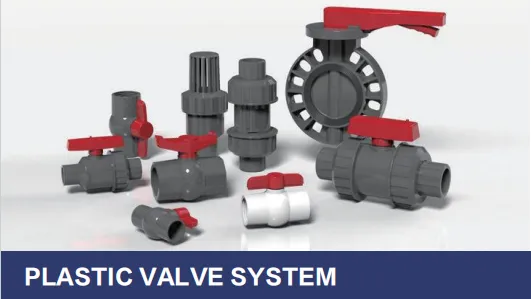
In the intricate web of modern infrastructure, where every component plays a silent yet critical role, plastic valve systems stand out as unsung heroes. From the water flowing through residential pipes to the complex fluid management in hospitals and commercial buildings, these systems ensure safety, efficiency, and reliability. But behind every seamless operation lies a key partner: the plastic valve system supplier. Not just any supplier, though—one with a comprehensive product portfolio that goes beyond valves, integrating pipes, fittings, and tailored solutions to meet the diverse needs of today's construction, industrial, and healthcare sectors. Let's explore why these suppliers matter, what sets them apart, and how their offerings shape the projects we live, work, and thrive in.
Gone are the days when metal valves dominated every pipeline. Today, plastic valve systems have emerged as the preferred choice across industries, and for good reason. Plastic—whether PVC, UPVC, PPR, or PE—brings a unique set of advantages: it resists corrosion, stands up to harsh chemicals, requires minimal maintenance, and offers cost savings over time. Unlike metal, which can rust or degrade in aggressive environments, plastic valves maintain their integrity, ensuring long-term performance in applications ranging from potable water supply to industrial wastewater management.
Consider a high-rise residential building: its plumbing system relies on valves to control water flow to kitchens, bathrooms, and heating systems. A plastic ball valve here isn't just a component—it's a guarantee that residents won't face leaks or pressure drops. In hospitals, where sterility is non-negotiable, plastic valves (paired with Class A fireproof materials) prevent contamination and meet strict safety codes. Even in agricultural settings, plastic valves regulate irrigation, ensuring crops get the right amount of water without wasting resources. In short, plastic valve systems are the quiet guardians of functionality in our built environment.
Not all suppliers are created equal. A truly reliable plastic valve system supplier isn't just a vendor—they're a partner invested in your project's success. So, what should you look for? First, breadth of product range : valves alone aren't enough. The best suppliers offer a one-stop shop, integrating pipes, fittings, and accessories to ensure compatibility and simplify procurement. Second, commitment to quality : products should adhere to global standards like ASTM, DIN, or ISO, with certifications to back up their claims. Third, customization : every project is unique, and a supplier that can tailor solutions—whether adjusting valve sizes for a tight commercial space or modifying pipe materials for a chemical plant—adds immense value. Finally, technical expertise : from helping select the right valve type to troubleshooting installation issues, on-the-ground support makes all the difference.
| Product Category | Key Products | Materials | Common Applications | Standards Compliance |
|---|---|---|---|---|
| Plastic Valve Systems | Ball valves, gate valves, check valves, butterfly valves | PVC, UPVC, PPR, PE | Water supply, HVAC, industrial fluid control | ASTM D2466, DIN PN10 |
| UPVC Pipes | Pressure pipes, well casing, screen pipes | UPVC | Residential plumbing, agricultural irrigation | ASTM D1785, ISO 4422 |
| PPR Pipes & Fittings | Hot/cold water pipes, elbows, tees, couplings | PPR (Polypropylene Random Copolymer) | Hospital water systems, residential heating | DIN 8077/8078, GB/T 18742 |
| PVC DWV Pipes | Drain, waste, vent pipes | PVC | Commercial buildings, residential drainage | ASTM D2665, CSA B181.2 |
This table offers a snapshot of how a comprehensive supplier might structure its offerings, ensuring that clients don't have to juggle multiple vendors for valves, pipes, and fittings. Instead, they can source everything from a single partner, reducing lead times and ensuring all components work in harmony.
At the heart of any reputable supplier's lineup is its plastic valve systems. These aren't one-size-fits-all products—they're engineered for specific pressures, temperatures, and fluids. For instance, a PVC ball valve might be ideal for low-pressure residential water lines, while a PPR check valve (with its heat-resistant properties) shines in hot water systems. Suppliers often offer a range of valve types: ball valves for quick shut-off, gate valves for precise flow control, check valves to prevent backflow, and butterfly valves for large-diameter pipelines. Each is tested rigorously, with certifications like NSF/ANSI 61 (for drinking water safety) or ISO 9001 (quality management) to instill confidence.
Take a hospital project, for example. When installing a water supply system for operating rooms, the plastic valve system must meet strict hygiene standards. A supplier might recommend a Class A fireproof CPL inorganic board for wall panels (though not a valve product, it's part of the holistic solution) paired with PPR valves and pipes, ensuring the system is both sterile and fire-safe. This level of integration—valves working with other building materials—is what sets comprehensive suppliers apart.
A valve is only as good as the pipes and fittings it connects to. That's why top suppliers don't stop at valves—they offer a full suite of complementary products. Consider UPVC pipes : these rigid, durable pipes are a staple in residential and agricultural projects, often used for water distribution and irrigation. As an upvc pipe supplier , a company might provide everything from ½-inch pipes for home plumbing to large-diameter well casing pipes for groundwater extraction. When paired with matching UPVC valves, they create a seamless, corrosion-resistant system that lasts decades.
Then there's PPR pipes and fittings . As a ppr pipe and fitting supplier , the focus is on hot and cold water systems, where heat resistance is key. PPR pipes can handle temperatures up to 95°C, making them perfect for radiant floor heating or hospital hot water lines. When combined with PPR valves—designed to withstand the same thermal stress—they form a system that's both efficient and reliable. Installers appreciate the ease of joining PPR components (no welding, just heat fusion), saving time on-site.
For drainage systems, PVC DWV pipes (drain, waste, vent) are indispensable. As a pvc dwv pipe supplier , a company ensures these pipes are lightweight yet strong enough to handle wastewater flow and vent gases safely. Paired with PVC DWV valves, they prevent clogs and odors in commercial kitchens, apartment buildings, and schools. Imagine a busy restaurant: without properly sized DWV pipes and valves, grease buildup and backups would quickly disrupt operations. A comprehensive supplier anticipates these needs, offering pipes and valves in various diameters to match the project's scale.
What truly elevates a plastic valve system supplier is their ability to adapt to industry-specific demands. Let's take a closer look at how their portfolios serve different sectors:
In residential projects, homeowners and contractors prioritize affordability, ease of installation, and low maintenance. A supplier might offer a "whole-house plumbing package" that includes UPVC pipes, PPR valves for hot water lines, and PVC DWV pipes for drainage. For luxury homes, they could integrate decorative elements—like wood grain series wall panels or cloud stone solutions —with the plumbing system, proving that functionality and aesthetics can coexist.
Commercial buildings, such as malls or office towers, have higher demands. They need valves and pipes that can handle increased water pressure and foot traffic. Here, a supplier might recommend PVC-U SCH40 pressure piping systems (rated for higher pressure) paired with robust ball valves, ensuring the system can support hundreds of restrooms, HVAC units, and drinking fountains without fail.
Hospitals and schools have zero tolerance for contamination or fire hazards. That's why suppliers catering to these sectors offer Class A fireproof CPL inorganic board solutions for walls, paired with plastic valve systems that meet healthcare-grade standards. For example, a children's hospital might require PEX pipes (flexible, easy to route around tight spaces) and PEX valves (resistant to scale buildup) to ensure clean, safe water for handwashing stations and medical equipment.
Industrial facilities deal with harsh chemicals, so their valve systems need to be chemical-resistant. A supplier might offer CPVC SCH80 high-pressure piping systems (capable of handling acids and alkalis) with corrosion-resistant valves, ensuring safe transport of industrial fluids. In agriculture, the focus is on durability and cost— PVC well casing and screen pipes (resistant to soil corrosion) paired with simple, reliable gate valves help farmers access groundwater efficiently.
Sustainability & Innovation: Beyond Products, Toward a Greener Future-Forward Practices
In an era where sustainability is no longer optional, leading plastic valve system suppliers are not just selling products—they're selling a vision. Many now prioritize eco-friendly materials, such as recycled plastic in valve manufacturing, and design products that reduce water waste (like low-flow valves). They also focus on energy efficiency: plastic systems have lower friction loss than metal, meaning pumps use less energy to move fluids, cutting carbon footprints. Some even offer take-back programs for old valves and pipes, ensuring responsible disposal and recycling. It's this commitment to the planet that makes them partners in building a greener tomorrow.
At the end of the day, projects succeed when every component works in harmony. A plastic valve system supplier with a comprehensive portfolio doesn't just sell you a valve—they provide peace of mind. They understand that your project might need UPVC pipes for irrigation, PPR valves for a hospital's hot water system, and PVC DWV pipes for a commercial kitchen's drainage. By offering all these under one roof, they simplify your supply chain, reduce costs, and ensure compatibility. No more coordinating with five different vendors; no more worrying if the valve from Supplier A will fit the pipe from Supplier B. It's this seamless integration that turns a good project into a great one.
So, whether you're building a home, a hospital, or an industrial plant, remember: the right plastic valve system supplier is more than a vendor. They're a collaborator, a problem-solver, and a trusted partner in bringing your vision to life. With their comprehensive portfolio, technical expertise, and commitment to quality, they don't just supply products—they supply success.
Recommend Products












