
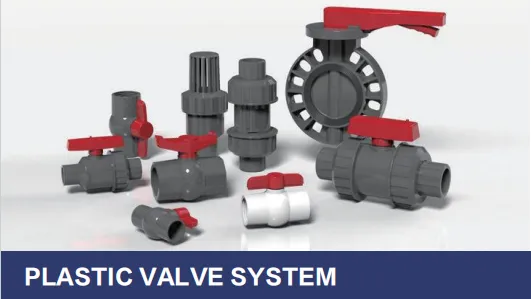
Imagine walking into a boutique hotel nestled on a cliffside, where every corner tells a story of intentional design—from the curved glass walls to the winding staircase that seems to float. Behind the scenes, though, there's a less visible yet equally critical element making it all work: the plumbing system. This hotel, with its irregular layout and proximity to the ocean, couldn't rely on standard plastic valves and pipes. It needed something tailored—something that fit its unique challenges. This is where plastic valve system suppliers step in, not just as vendors, but as partners in turning ambitious visions into reality. In a world where "one-size-fits-all" rarely works for groundbreaking projects, custom solutions have become the backbone of successful construction and renovation. Let's dive into how these suppliers craft personalized plastic valve systems that meet the demands of even the most unique projects.
Every project has its quirks, but "unique" projects take those quirks to another level. Think of a heritage building being converted into a modern art gallery, where original stone walls limit pipe placement. Or a hospital wing designed with strict infection control protocols, requiring materials that resist bacteria and meet Class A fireproof standards—much like the class a fireproof cpl inorganic board for hospital and school solutions that prioritize safety. Then there are eco-friendly developments aiming for net-zero emissions, needing valves and pipes that minimize energy loss and withstand extreme weather.
Off-the-shelf plastic valves and pipes are designed for common scenarios: standard pressure, typical room sizes, generic building codes. But unique projects often throw curveballs. A luxury resort in Saudi Arabia, for example, might need valves that can handle the region's high temperatures without warping. A micro-apartment complex in a crowded city might require ultra-compact valves to fit into tight utility closets. In these cases, using standard products can lead to leaks, inefficiencies, or even safety hazards. It's like trying to fit a square peg into a round hole—you might make it work temporarily, but it won't hold up long-term.
Gone are the days when suppliers simply delivered boxes of valves and called it a day. Today's top plastic valve system supplier teams act more like consultants, bringing engineering expertise, industry knowledge, and creative problem-solving to the table. They start by listening—really listening—to the project's goals, challenges, and constraints. Is the project a residential high-rise with limited vertical space? A commercial mall with complex water distribution needs? A hospital where every component must meet stringent health and safety regulations? Each answer shapes the solution.
Take, for example, a residential building materials supplier working on a beachfront villa. The client wants a sustainable, low-maintenance plumbing system that can resist saltwater corrosion. A standard PVC valve might corrode within a few years, but a custom solution could involve upgrading to UPVC (unplasticized PVC) or PPR (polypropylene random copolymer) materials, which are more resistant to harsh environments. The supplier doesn't just sell the valve—they test different materials, simulate the coastal climate, and even collaborate with the architect to adjust the valve's design for easier installation in the villa's unique foundation.
Custom plastic valve solutions aren't just about changing a valve's size or color—they're about reimagining how the entire system functions. Here are some of the most common ways suppliers customize their offerings:
The best way to understand the impact of custom plastic valve systems is through real projects. Let's explore three scenarios where tailored solutions made all the difference.
A high-end resort on Saudi Arabia's Red Sea coast wanted to minimize its environmental footprint while withstanding the region's scorching heat (up to 50°C) and salty air. The project required a plumbing system that could handle desalinated water (high mineral content) and resist corrosion.
The Challenge: Standard PVC valves were prone to cracking in extreme heat, and metal valves risked corrosion from saltwater. The resort also needed a system that reduced water waste, aligning with its sustainability goals.
The Custom Solution: The plastic valve system supplier partnered with the resort's engineers to develop UPVC valves with reinforced walls and heat-stabilized additives. They also integrated low-flow pressure regulators into the valve design to cut water usage by 20%. To complement the valves, they recommended upvc pipe supplier products with UV-resistant coatings to prevent sun damage.
The Outcome: After two years, the system showed zero leaks or corrosion. The low-flow valves saved the resort over 100,000 gallons of water annually, and the UV-resistant pipes required no maintenance—proving that custom solutions can be both durable and eco-friendly.
A children's hospital in the UAE needed to expand its emergency department, with strict requirements for infection control, fire safety, and noise reduction. The plumbing system had to avoid sharp edges (to prevent injuries), resist bacterial growth, and meet Class A fire ratings—similar to the safety standards of class a fireproof cpl inorganic board for hospital and school solutions .
The Challenge: Standard valves had exposed threads that could harbor bacteria, and their plastic composition didn't meet the hospital's fire resistance needs. Additionally, the department's layout included curved corridors, requiring flexible piping that could bend without kinking.
The Custom Solution: The supplier designed smooth-bore plastic valves with antimicrobial coatings to prevent germ buildup. They also used PEX pipes (from a pex pipe and fitting supplier ) for their flexibility, allowing them to snake through curved walls without joints that might leak. To meet fire codes, the valves were encased in heat-resistant sleeves, and all materials were tested to ensure they emitted minimal smoke in case of a fire.
The Outcome: The new emergency department opened on schedule, with zero infection control violations during inspections. The flexible PEX pipes reduced installation time by 25%, and the fire-resistant valves gave staff peace of mind knowing patients and children were protected.
A developer in a major city wanted to convert an old office building into 500 sq. ft. micro-apartments, where every inch of space mattered. The utility closets were barely 2 feet wide, requiring plumbing systems that were compact yet high-performing.
The Challenge: Standard valves and pipes took up too much space, leaving no room for storage or maintenance access. The developer also wanted to include in-unit washing machines, which required hot and cold water lines in tight quarters.
The Custom Solution: The supplier created ultra-slim ball valves (30% narrower than standard models) and paired them with upvc pipe supplier products with smaller diameters but the same flow rate as larger pipes. They also designed a "stacked" valve system, where hot and cold water valves were mounted vertically instead of horizontally, saving 40% floor space in the utility closet. For the washing machines, they used flexible PEX pipes that could bend behind appliances without crimping.
The Outcome: The micro-apartments sold out within months, with tenants praising the smart use of space. Maintenance crews reported easier access to valves (thanks to the slim design), and the stacked system reduced the risk of leaks by centralizing connections.
| Aspect | Standard Plastic Valve Systems | Custom Plastic Valve Systems |
|---|---|---|
| Space Efficiency | Designed for average spaces; may waste room in tight areas. | Tailored to fit unique layouts (e.g., slim valves for micro-apartments). |
| Environmental Resistance | Works in mild conditions; may fail in extreme heat, salt, or cold. | Materials adjusted for specific environments (e.g., UV-resistant for coastal resorts). |
| Compliance | Meets basic codes; may lack sector-specific standards (e.g., hospital fire safety). | Engineered to meet strict regulations (e.g., Class A fireproof, antimicrobial coatings). |
| Integration | May require adapters to work with non-standard pipes or systems. | Designed to integrate seamlessly with existing or specialized systems (e.g., pvc well casing and screen pipes ). |
| Long-Term Cost | Lower upfront cost, but higher maintenance/replacement costs for unique projects. | Higher upfront investment, but lower long-term costs due to durability and efficiency. |
Custom solutions are only as good as the supplier behind them. The best plastic valve system supplier isn't just a vendor—they're a partner who brings three key strengths to the table:
Expertise Across Industries: A supplier who understands both residential and commercial needs (like a commercial building materials supplier ) can anticipate challenges unique to your project type. For example, a hospital project requires different knowledge than a luxury resort, and a supplier with cross-industry experience can bridge those gaps.
Collaborative Design Process: The best suppliers don't just take orders—they collaborate. They'll visit the job site, work with architects and engineers, and even create 3D models to test solutions before production. This level of involvement ensures the final product fits perfectly the first time.
Commitment to Quality and Support: Custom solutions require rigorous testing, and reputable suppliers stand behind their work with warranties and after-sales support. If a valve needs adjustment six months into the project, they'll send a team to fix it—no questions asked. This is especially critical for projects with tight deadlines or high stakes, like hospitals or emergency facilities.
For example, a one-stop architectural solution provider can streamline the process even further, offering not just plastic valves but also related products like walls, flooring, or class a fireproof cpl inorganic board for hospital and school solutions —ensuring all components work together seamlessly. This "one-stop" approach reduces coordination headaches and keeps projects on track.
In a world where construction projects are becoming more innovative, sustainable, and space-efficient, "unique" is no longer a niche—it's the norm. And with that shift comes the need for plastic valve systems that don't just "work," but work perfectly for the project at hand. Whether it's a cliffside hotel, a children's hospital, or a micro-apartment complex, custom solutions turn challenges into opportunities to create something exceptional.
The next time you walk into a building that takes your breath away, remember: behind the design, the materials, and the craftsmanship, there's likely a team of suppliers who refused to settle for "good enough." They asked questions, listened, and created something tailored—because in construction, as in life, the most memorable projects are the ones built with care, creativity, and a little bit of customization.
Ready to bring your unique project to life? Start by partnering with a plastic valve system supplier who sees your vision—and has the expertise to build it.
Recommend Products












