But the market isn't static. In recent years, a wave of new entrants has arrived, drawn by Saudi's construction boom and gaps in the market left by established players. These newcomers—often startups or regional companies expanding into Saudi—aren't here to compete head-on with leaders in every category. Instead, they're carving niches with
innovation, agility, and a focus on emerging trends
.
Take [Fictional New Entrant X], a company that launched in 2018 and quickly made a name for itself with eco-friendly PPR pipe and fitting solutions. While leaders offer standard PPR pipes, [X] introduced a recycled-material variant, reducing plastic waste by 30% without compromising strength. This caught the eye of developers working on green building projects, like the LEED-certified residential complex in Jeddah, where sustainability was a key requirement. "We couldn't find recycled PPR options from the big brands, so [X] stepped in," said the project's sustainability consultant. "Their product met our specs and helped us earn crucial green building points."
Another area of focus for new entrants is
technology integration
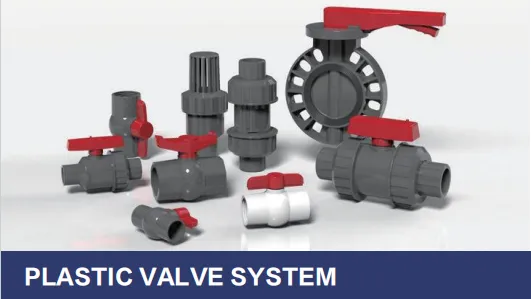
. [Fictional New Entrant Y], for example, offers "smart" plastic valve systems equipped with sensors that monitor pressure and flow, sending real-time data to a mobile app. For industrial clients or large campuses like universities, this means predictive maintenance—catching issues before they cause leaks or downtime. While leaders have begun exploring smart tech, new entrants, unburdened by legacy systems, can move faster, bringing these innovations to market at competitive prices.
Niche specialization is also a strategy. Instead of trying to be everything to everyone, new entrants zero in on underserved segments. [Fictional New Entrant Z] specializes in PEX pipe and fitting solutions, targeting the growing demand for flexible, easy-to-install plumbing in high-rise apartments. PEX pipes are ideal for tight spaces, and [Z] offers custom lengths and colors, a level of personalization leaders often can't match due to their mass-production models. "We don't compete with the giants on price for standard PVC pipes," said [Z]'s founder. "We compete on solving specific problems they overlook."
Of course, new entrants face steep challenges. Building brand recognition in a market dominated by household names is tough. Many contractors are hesitant to switch to untested suppliers, even if the product is innovative. Then there's the cost of compliance: obtaining SASO certifications and setting up distribution networks requires significant upfront investment. And supply chain disruptions—like the global plastic resin shortage of 2022—hit smaller players harder, as they lack the negotiating power of leaders to secure raw materials.
But for those who succeed, the rewards are significant. Saudi's construction boom shows no signs of slowing, and with Vision 2030 prioritizing innovation and sustainability, new entrants with fresh ideas are finding their footing. As one industry analyst noted, "The leaders will always have the market share, but new entrants are pushing them to innovate. That competition is good for everyone—driving better products, lower prices, and a more dynamic industry."