
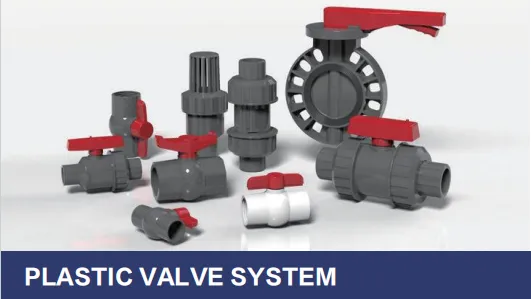
In the world of construction, every brick, pipe, and panel plays a role in turning blueprints into tangible spaces—homes where families grow, offices where ideas thrive, and hospitals where lives are saved. At the heart of this process lies the often unsung hero: the building material supplier. These partners don't just deliver products; they deliver reliability, expertise, and the peace of mind that comes from knowing every component meets the highest standards. Today, we're zeroing in on a critical category within this ecosystem: plastic valve systems. From residential plumbing to commercial HVAC, these unassuming devices control the flow of water, gas, and other fluids, making them the silent guardians of a building's functionality. Let's dive into the basics of plastic valve systems, why they matter, and how choosing the right plastic valve system supplier can make or break your next project.
Before we get into suppliers and solutions, let's start with the fundamentals. A plastic valve system is a collection of devices designed to regulate, direct, or control the flow of fluids (liquids or gases) within a piping network. Unlike their metal counterparts, these valves are made from durable, lightweight plastics like PVC (Polyvinyl Chloride), CPVC (Chlorinated Polyvinyl Chloride), PPR (Polypropylene Random Copolymer), and UPVC (Unplasticized Polyvinyl Chloride). This choice of material isn't arbitrary—plastic valves offer a unique blend of corrosion resistance, affordability, and ease of installation that makes them ideal for a wide range of applications.
Think of a plastic valve as a traffic cop for your pipes. Need to shut off water to a broken sink? A ball valve does that. Want to prevent backflow in a sewage line? A check valve has your back. From simple on-off controls to complex pressure regulators, these systems ensure fluids move where they need to, when they need to, without leaks, contamination, or inefficiency. And while they might not be as visible as a stunning marble facade or a sleek kitchen cabinet, their role is just as vital. A faulty valve can lead to water damage, mold growth, or even structural issues—making quality non-negotiable.
Not all plastic valves are created equal. The right valve for a project depends on factors like the type of fluid, pressure levels, temperature, and the specific application. Let's break down some common types you're likely to encounter when working with a plastic valve system supplier:
Each type has its strengths, and a knowledgeable plastic valve system supplier will help you select the right one for your needs. For example, a PVC ball valve might be perfect for a residential bathroom renovation, while a CPVC check valve could be the better choice for a school's hot water system, where higher temperatures are a factor.
You might be wondering: Why plastic over metal? It's a fair question, especially since metal valves have been around for decades. The answer lies in the unique advantages plastic brings to the table—advantages that have made them a staple in modern construction:
Corrosion Resistance: Unlike metal, plastic doesn't rust or corrode when exposed to water, chemicals, or salt. This makes plastic valves ideal for coastal areas, industrial settings with harsh fluids, or even residential plumbing systems where hard water can eat away at metal over time.
Lightweight and Easy to Install: Carrying a heavy brass valve up a flight of stairs? Not fun. Plastic valves are significantly lighter, reducing labor costs and making installation faster—especially in tight spaces like crawl spaces or ceiling cavities.
Cost-Effective: Plastic is generally more affordable than metal, without sacrificing durability. This makes plastic valve systems a budget-friendly option for large projects, like apartment complexes or schools, where every dollar counts.
Low Maintenance: Plastic valves don't require painting, coating, or regular maintenance to prevent corrosion. Once installed, they can last for decades with minimal upkeep—great news for homeowners and facility managers alike.
Thermal Insulation: Plastic has natural insulating properties, which helps prevent condensation (a common issue with metal pipes in humid climates) and reduces heat loss in hot water systems. This can even lower energy bills over time.
Here's a secret the best builders know: the right plastic valve system supplier isn't just selling valves—they're selling solutions. In today's fast-paced construction world, time is money, and juggling multiple suppliers for pipes, fittings, valves, and accessories can slow down a project to a crawl. That's why many top suppliers position themselves as one-stop shops, offering everything from plastic valves to pipes, fittings, and beyond. This approach isn't just convenient; it ensures compatibility between components, reduces the risk of errors, and streamlines the procurement process.
Take, for example, a pipes fittings supplier that also offers upvc pipe supplier services. UPVC pipes are widely used for cold water supply lines, thanks to their rigidity and chemical resistance. Pairing UPVC pipes with matching UPVC valves from the same supplier guarantees a tight, leak-free fit—no guessing if a valve from Brand A will work with a pipe from Brand B. The same goes for PPR pipe and fitting suppliers: PPR pipes are popular for hot water systems (they can handle temperatures up to 95°C), and having valves designed specifically for PPR ensures optimal performance and longevity.
Even niche products like PVC DWV (Drain-Waste-Vent) pipes benefit from this one-stop approach. PVC DWV pipes are used for sewage and vent lines, where smooth flow and durability are critical. A supplier that offers both PVC DWV pipes and compatible check valves or gate valves simplifies the process, ensuring your drainage system works flawlessly from day one.
To help you understand how pipes and valves work together, here's a breakdown of some popular pipe types, their uses, and why they're often paired with plastic valves:
| Pipe Type | Material | Pressure Rating | Temperature Resistance | Common Applications | Typical Valve Pairings |
|---|---|---|---|---|---|
| PVC DWV | Polyvinyl Chloride | Low (gravity-fed systems) | Up to 40°C | Sewage, drain, and vent lines in residential/commercial buildings | Check valves, gate valves |
| UPVC | Unplasticized Polyvinyl Chloride | High (up to 16 bar) | Up to 60°C | Cold water supply, irrigation, industrial chemical transport | Ball valves, butterfly valves |
| PPR | Polypropylene Random Copolymer | Medium to High (up to 10 bar at 95°C) | Up to 95°C | Hot and cold water systems in homes, hospitals, schools | Ball valves, pressure-regulating valves |
| PEX | Cross-Linked Polyethylene | Medium (up to 8 bar at 70°C) | Up to 95°C (short-term) | Residential plumbing, radiant floor heating | Crimp-style ball valves, valves |
This table illustrates why working with a supplier who understands both pipes and valves is so valuable. A good plastic valve system supplier will not only provide the right valve but also guide you on which pipe material to use, ensuring your entire plumbing network is cohesive and reliable.
Plastic valve systems aren't limited to one type of project—their versatility makes them indispensable across residential, commercial, and institutional settings. Let's take a closer look at how they're used in the real world:
In homes, plastic valves are everywhere, though you might not see them. They control the water flow to your kitchen faucet, the hot water to your shower, and the drainage from your washing machine. A reliable plastic valve system here means no midnight leaks, no unexpected water bills, and peace of mind for homeowners. For example, a PPR pipe and fitting supplier might provide the pipes for a home's hot water system, paired with ball valves that make it easy to shut off water during repairs.
Offices, hotels, and shopping malls have complex plumbing and HVAC systems that demand durable, efficient valves. UPVC pipes and plastic valves are often used in cooling systems, where corrosion resistance is key, while PPR pipes with pressure-regulating valves ensure consistent hot water in hotel rooms. A plastic valve system supplier specializing in commercial projects will also consider factors like scalability—can the system handle increased demand during peak hours?—and compliance with local building codes.
Hospitals and schools have unique needs: safety, hygiene, and reliability are non-negotiable. For example, Class A fireproof CPL inorganic boards (used in walls and ceilings) require plumbing systems that won't contribute to fire spread. Plastic valves, which are non-combustible and often meet strict fire safety standards, are a natural fit here. Similarly, in schools, where maintenance crews might need to shut off water to classrooms quickly, easy-to-operate ball valves save time and reduce disruption.
Factories, farms, and processing plants deal with everything from chemicals to irrigation water, making corrosion resistance a top priority. Plastic valves paired with UPVC or PPR pipes are ideal for transporting fertilizers, pesticides, or industrial fluids, as they won't react with the materials they carry. In agriculture, for instance, a pvc dwv pipe supplier might provide drainage pipes for fields, with check valves to prevent water from pooling and damaging crops.
Now that you understand the "what" and "why" of plastic valve systems, let's talk about the "who"—how to choose a supplier that will set your project up for success. Not all suppliers are created equal, and cutting corners here can lead to costly delays, faulty products, or even safety risks. Here are key factors to consider:
Quality Certifications: Reputable suppliers will have certifications like ISO 9001 (quality management) or ASTM (American Society for Testing and Materials) compliance. These certifications ensure products meet strict standards for durability, performance, and safety. For example, a ppr pipe and fitting supplier should be able to provide test reports proving their pipes can withstand high temperatures and pressure over time.
Product Range: A one-stop shop is a game-changer. Look for suppliers that offer not just valves, but also pipes, fittings, and accessories. This ensures compatibility and simplifies ordering—no more coordinating between multiple vendors. A pipes fittings supplier that also stocks plastic valves, UPVC pipes, and PPR fittings can save you time, money, and headaches.
Technical Expertise: The best suppliers don't just sell products—they offer advice. Do they have a team of engineers or product specialists who can help you select the right valve for your application? Can they answer questions about pressure ratings, installation techniques, or local building codes? This level of support is invaluable, especially for complex projects.
Reliability and Timeliness: Construction schedules are tight, and delays can be expensive. A reliable supplier will deliver products on time, every time, and have contingency plans for issues like shipping delays or stock shortages. Check reviews or ask for references to ensure they have a track record of dependability.
Customer Service: From the first inquiry to post-installation support, good customer service matters. Does the supplier respond promptly to emails or calls? Do they offer warranties or returns if a product is defective? A supplier that values your business will go the extra mile to ensure you're satisfied.
In an era where sustainability is top of mind, you might be wondering about the environmental impact of plastic valve systems. The good news is that modern plastic valves are designed with eco-friendliness in mind. Many are made from recyclable materials, and their lightweight nature reduces carbon emissions during transportation. Additionally, plastic valves' long lifespan means less frequent replacement, reducing waste over time.
Some suppliers are even taking it a step further, offering products made from recycled plastics or investing in energy-efficient manufacturing processes. For example, a forward-thinking upvc pipe supplier might use solar power in their factories or implement water recycling systems, aligning with the green goals of many construction projects today.
It's also worth noting that plastic valves play a role in water conservation. By preventing leaks and ensuring efficient flow control, they help reduce water waste—a critical consideration in regions facing drought or water scarcity. In this way, choosing quality plastic valves isn't just good for your project; it's good for the planet, too.
At the end of the day, building materials are more than just products—they're the foundation of every space we live, work, and play in. Plastic valve systems might not be the most glamorous part of construction, but their role in ensuring safety, efficiency, and functionality is undeniable. From a small bathroom renovation to a sprawling hospital complex, these systems keep projects running smoothly, protect against costly issues, and provide peace of mind for everyone involved.
Choosing the right plastic valve system supplier is about more than buying valves—it's about partnering with a team that understands your needs, prioritizes quality, and is invested in your success. Whether you're a contractor, builder, or homeowner, taking the time to research suppliers, ask questions, and demand certifications will pay off in the long run. After all, a project is only as strong as its weakest component—and with the right supplier, you can be confident that component is anything but weak.
So, the next time you turn on a faucet, flush a toilet, or enjoy a hot shower, take a moment to appreciate the plastic valve working behind the scenes. And when it's time to start your next project, remember: the right supplier isn't just a vendor—they're a partner in building something lasting.
Recommend Products












