
Picture this: You're knee-deep in a commercial construction project, juggling deadlines, budget constraints, and a to-do list that seems to grow by the hour. The plumbing phase is approaching, and suddenly you're hit with a wave of questions: Where do I source reliable plastic valves? Are the PVC DWV pipes compatible with the PPR fittings I already ordered? Will the UPVC pipes arrive on time to keep the crew from sitting idle? If this scenario feels familiar, you're not alone. Sourcing building materials—especially specialized ones like plastic valve systems and piping—can feel like navigating a maze. But it doesn't have to. The key? Partnering with the right plastic valve system supplier. In this guide, we'll break down what a plastic valve system supplier does, why they're critical to streamlined project sourcing, and how to choose one that turns headaches into hassle-free success.
Let's start with the basics. A plastic valve system supplier is more than just a company that sells valves. Think of them as a strategic partner that provides end-to-end solutions for fluid control in plumbing, irrigation, and industrial systems. These suppliers specialize in plastic-based valves—made from materials like PVC, CPVC, and PP—designed to regulate, direct, or control the flow of liquids or gases. But their role often extends far beyond valves alone. Many, like the top players in the industry, also double as a pvc dwv pipe supplier, upvc pipe supplier, or ppr pipe and fitting supplier, offering a one-stop shop for all your piping and valve needs.
Why does this matter? Imagine coordinating with five different vendors for valves, pipes, fittings, and accessories. Each has its own lead times, quality standards, and communication styles. It's a recipe for delays, miscommunications, and mismatched products. A reputable plastic valve system supplier simplifies this by (integrating) these components into a cohesive package, ensuring compatibility, consistency, and convenience—all under one roof.
To truly streamline sourcing, a top-tier supplier offers more than just plastic valves. Let's dive into the core products you'll likely need, and how they work together to keep your project on track.
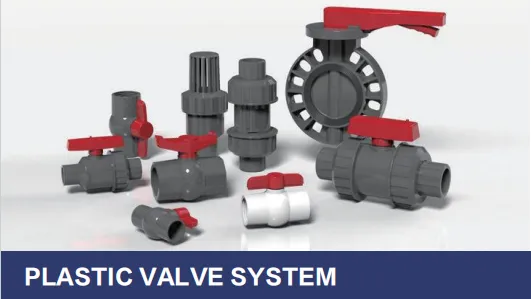
At the core of any plumbing or industrial system are the valves. Plastic valve systems come in various types—ball valves, gate valves, check valves, and butterfly valves—each designed for specific functions. For example, ball valves are ideal for on/off control in residential water lines, while check valves prevent backflow in irrigation systems. What sets a quality supplier apart? They don't just sell you a valve; they help you select the right type, size, and material for your project. Need a valve that can withstand high temperatures in a commercial kitchen? They'll recommend a CPVC valve. Working on a low-pressure irrigation system? A PVC ball valve might be the cost-effective choice.
If you've ever heard a plumber mention "DWV," they're talking about Drain-Waste-Vent pipes—and a reliable pvc dwv pipe supplier is worth their weight in gold. PVC DWV pipes are the backbone of any building's drainage system, carrying wastewater and sewage away while allowing air to circulate (preventing those unpleasant gurgling noises in sinks). These pipes are lightweight, corrosion-resistant, and easy to install, but only if they're sourced from a supplier that adheres to strict quality standards. A shoddy DWV pipe can lead to leaks, blockages, or even structural damage down the line. The best suppliers ensure their PVC DWV pipes meet ASTM or DIN standards, with consistent wall thickness and smooth interiors to minimize clogs.
UPVC (Unplasticized Polyvinyl Chloride) pipes are the workhorses of high-pressure systems, from municipal water supply to industrial fluid transport. As an upvc pipe supplier, a top vendor will offer pipes that are rigid, chemical-resistant, and built to handle pressure without cracking. Think about a multi-story apartment complex: the water pressure from the rooftop tank to the ground floor is significant. UPVC pipes stand up to that stress, ensuring a steady flow to every unit. They're also UV-resistant, making them suitable for outdoor use—unlike some other plastic pipes that degrade in sunlight. When sourcing UPVC pipes, look for a supplier that provides detailed pressure ratings and installation guides; this attention to detail saves you from costly mistakes later.
For projects involving hot water—like residential plumbing or commercial kitchens—a ppr pipe and fitting supplier is indispensable. PPR (Polypropylene Random Copolymer) pipes are designed to withstand high temperatures (up to 95°C) and pressure, making them ideal for hot water distribution. Unlike metal pipes, PPR doesn't corrode or scale, ensuring long-term efficiency. What's more, PPR fittings use heat fusion to create a seamless, leak-proof bond—no more worrying about loose connections or drips. A quality supplier will offer a range of fittings (elbows, tees, reducers) to match their PPR pipes, along with fusion tools and training if needed. This level of support turns a complex installation into a straightforward process.
| Product | Primary Use | Key Benefit | Common Applications |
|---|---|---|---|
| Plastic Valve Systems | Flow control (on/off, regulation, backflow prevention) | Corrosion-resistant, lightweight, cost-effective | Residential plumbing, irrigation, industrial fluid systems |
| PVC DWV Pipes | Drainage, waste, and vent systems | Smooth interior reduces clogs, easy to install | Residential and commercial buildings, hospitals, schools |
| UPVC Pipes | High-pressure water transport | Rigid, UV-resistant, chemical-resistant | Municipal water supply, industrial pipelines, outdoor irrigation |
| PPR Pipes & Fittings | Hot and cold water distribution | Heat-resistant, leak-proof fusion connections | Residential hot water systems, commercial kitchens, hotels |
You might be thinking, "Can't I just buy these products from a general hardware store?" Sure—but that's like using a butter knife to fix a leaky faucet: it might work temporarily, but it won't hold up long-term. Streamlined project sourcing isn't about cutting corners; it's about efficiency, reliability, and peace of mind. Here's why partnering with a specialized plastic valve system supplier makes all the difference:
Ever ordered a valve that didn't fit your pipes? Or a fitting that was the wrong size? It's a frustrating, time-consuming problem. A dedicated supplier ensures all their products—valves, pipes, fittings—are designed to work together. For example, their PVC DWV pipes will have the same diameter as their PVC valves, and their PPR fittings will match the brand's PPR pipes perfectly. This compatibility eliminates guesswork and reduces the risk of leaks or system failures.
Let's say you're working on a hospital project that requires lead-free valves. Or a food processing plant that needs chemical-resistant pipes. A general supplier might shrug and say, "We have valves," but a specialized plastic valve system supplier will ask questions: What's the fluid being transported? What's the temperature range? What certifications (like NSF or ISO) are required? Their technical team can recommend the right materials, sizes, and configurations, ensuring compliance with industry standards and project specifications. This level of expertise turns potential pitfalls into smooth sailing.
Not all plastic pipes and valves are created equal. A low-quality valve might crack under pressure; a subpar PVC pipe could have weak spots that burst. Reputable suppliers invest in quality control, testing every batch for strength, durability, and performance. They source raw materials from trusted manufacturers and adhere to strict production standards. This consistency means you can trust that the 100th valve you order will perform as well as the first—no unpleasant surprises halfway through the project.
Coordinating deliveries from multiple vendors is a logistical nightmare. You're tracking five different shipments, dealing with five different delivery windows, and praying none of them get delayed. A one-stop supplier simplifies this by consolidating your order: valves, pipes, fittings, and accessories all arrive in a single delivery (or scheduled deliveries that align with your project timeline). This reduces paperwork, minimizes storage costs, and ensures your crew has everything they need when they need it—no more waiting around for that "one last part."
Now that you know why a plastic valve system supplier is critical, let's talk about how to make the most of this partnership. Here's a step-by-step guide to streamlining your sourcing process:
Before reaching out to suppliers, take time to outline your project's requirements. Ask: What's the scope? (Residential, commercial, industrial?) What systems are involved? (Plumbing, irrigation, HVAC?) What are the key specifications? (Pipe diameter, pressure rating, temperature tolerance, certifications?) Having a clear list helps suppliers tailor their offerings to your needs—and avoids overbuying or underbuying. For example, a small residential project might only need basic PVC DWV pipes and ball valves, while a large industrial project could require specialized CPVC valves and PPR hot water systems.
Not all suppliers are created equal. Take the time to research potential partners. Look for reviews and testimonials from other contractors or project managers. Ask for references and follow up on them. Inquire about their experience: How long have they been in business? Do they specialize in your industry (e.g., healthcare, hospitality, construction)? What's their track record for on-time deliveries? A supplier with a proven history in your niche is more likely to understand your unique challenges and deliver solutions that work.
Projects rarely go exactly as planned. Maybe you need a valve with a unique connection type, or extra-long UPVC pipes to avoid joints. A great supplier offers flexibility, whether through custom orders, rush deliveries, or adjusting quantities mid-project. For example, if you suddenly need 50 more PPR fittings, they should be able to accommodate without derailing your timeline. This agility is a game-changer when deadlines are tight.
Imagine placing an order and hearing nothing for two weeks—then getting a call saying, "Sorry, it's delayed." Frustrating, right? The best suppliers keep you in the loop at every stage: order confirmation, production updates, shipping tracking, and delivery notifications. They assign a dedicated account manager who answers your calls (or emails) promptly and addresses concerns before they escalate. This open communication builds trust and ensures you're never left in the dark.
Streamlined sourcing isn't a one-time win—it's a long-term strategy. Look for a supplier that wants to grow with you. Maybe they offer volume discounts for repeat orders, or loyalty programs that reward consistent business. Over time, they'll learn your preferences, anticipate your needs, and even alert you to new products or technologies that could benefit your projects. This kind of partnership turns a transactional relationship into a competitive advantage.
Let's put this into practice with a real-world example. A general contractor was tasked with building a 50-bed hospital in Riyadh, Saudi Arabia. The project required lead-free plastic valves, fire-resistant PPR pipes for hot water systems, and PVC DWV pipes for drainage—all with strict delivery deadlines to meet the hospital's opening date. Initially, the contractor planned to source from three separate vendors: one for valves, one for PPR pipes, and one for PVC DWV pipes. But after a few miscommunications (including a delayed valve shipment that held up the plumbing crew for a week), they switched to a single plastic valve system supplier that also offered PPR and PVC DWV products.
The results? The supplier provided a consolidated quote, ensuring all products were compatible and met hospital-grade certifications. They scheduled deliveries in phases, aligning with the project's construction timeline. When the contractor needed extra PPR fittings halfway through, the supplier delivered them within 48 hours. By the end, the project saved 20% on sourcing costs (due to volume discounts and reduced logistics fees) and finished two weeks ahead of schedule. The key takeaway? (Integration) and communication turned a stressful process into a success story.
Sourcing plastic valve systems, pipes, and fittings doesn't have to be a headache. By partnering with a reputable plastic valve system supplier—one that also acts as a pvc dwv pipe supplier, upvc pipe supplier, and ppr pipe and fitting supplier—you streamline your process, reduce risks, and free up time to focus on what you do best: building. Remember, the right supplier isn't just a vendor; they're an extension of your team, invested in your project's success. So take the time to research, ask questions, and prioritize compatibility, quality, and communication. Your deadlines, budget, and sanity will thank you.
Whether you're working on a small residential renovation or a large-scale commercial project, the path to streamlined sourcing starts with choosing a supplier that understands your needs—and has the products, expertise, and commitment to meet them. Now go out there and build something amazing.
Recommend Products












