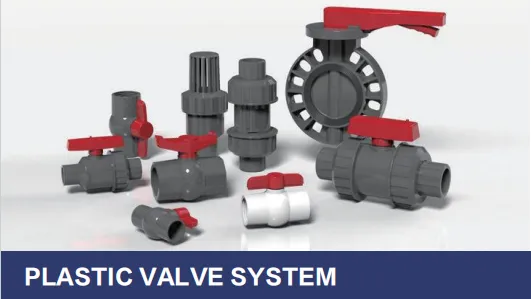
Now, let's dive into the meat of the contract. These are the terms that will either save you from headaches or leave you scrambling to fix preventable mistakes. We'll break them down with real-world examples and why each matters.
1. Pricing: More Than Just a Number
It's tempting to fixate on the "bottom line," but a low per-unit cost can hide a host of hidden fees. A supplier might quote $15 per valve but charge extra for "handling," "packaging," or "documentation." Worse, vague pricing structures can lead to cost creep mid-project. For example, if steel prices spike, will your supplier hike their rates for metal-reinforced plastic valves? To avoid this:
-
Lock in fixed pricing
for the contract duration, with clear exceptions (e.g., "price adjustments only if raw material costs increase by >5%").
-
Itemize all fees
: delivery, taxes, customs (critical for international suppliers), and after-sales support.
-
Negotiate bulk discounts
: If you're ordering 500+ valves, ask for tiered pricing (e.g., 5% off for 500 units, 8% for 1,000).
Example: A Dubai-based contractor once saved 12% on a 2,000-valve order by negotiating a bulk discount with their
plastic valve system supplier
—but only after pushing back on "administrative fees" that added 3% to the initial quote.
2. Delivery: Timelines That Keep Your Project Moving
"We'll ship it soon" is not a delivery schedule. In construction, a single day of delay can cost $10,000+ in labor and lost client trust. Your contract must spell out:
-
Exact delivery dates
: Not "4-6 weeks," but "no later than October 15, 2024."
-
Penalties for lateness
: "$500 per day for delays beyond 3 days, up to 10% of the order value."
-
Risk of loss
: Who's liable if valves are damaged in transit? (Spoiler: It should be the supplier until the shipment is signed for.)
-
Expedited shipping clauses
: If you need a rush order, what's the cost, and how quickly can they deliver?
Case in point: A school renovation project in Jeddah nearly missed its deadline when a
pipes fittings supplier
delayed delivery by two weeks. Because the contract lacked penalty terms, the supplier refused to compensate—costing the contractor $30,000 in overtime to meet the deadline.
3. Quality: "Fit for Purpose" Isn't Enough
Plastic valves might look similar, but subpar materials can lead to leaks, bursts, or system failures. A valve that works for a residential bathroom won't cut it for a commercial HVAC system. Your contract must define "quality" in measurable terms:
-
Industry standards
: Specify certifications like ASTM D2846 (for CPVC valves) or DIN PN10 (for pressure ratings). For example: "All valves shall comply with ASTM D2846, 2023 edition."
-
Testing protocols
: "Supplier shall provide a test report for each batch, including pressure testing at 150% of working pressure for 1 hour."
-
Inspection rights
: "Buyer may inspect goods at supplier's facility within 5 days of notification of readiness, with supplier bearing costs of rework if defects are found."
Remember: A
plastic valve system solutions
provider that's confident in their quality will welcome these terms. If a supplier resists, ask why—they might be cutting corners.
4. Warranty: Covering the "What Ifs"
A 1-year warranty sounds great—until you realize it only covers "manufacturing defects" and excludes "improper installation." When a valve fails 14 months in, you're stuck footing the bill. To avoid this:
-
Define warranty scope
: Does it cover material defects? Workmanship? Performance under normal use?
-
Set a clear duration
: 2–5 years is standard for commercial-grade valves. For critical systems (e.g., hospitals), push for 5+.
-
Outline the claims process
: "Buyer shall notify supplier in writing within 10 days of; supplier shall replace defective units within 14 days at no cost."
5. Payment Terms: Balancing Trust and Security
Suppliers want upfront payment; you want to ensure delivery before handing over cash. The sweet spot is a balanced schedule. Common structures include:
-
"20% deposit upon order, 50% upon delivery of goods, 30% upon successful installation and testing."
-
For repeat orders: "Net-30 payment terms with a 2% discount for payment within 10 days."
Never agree to 100% upfront payment unless the supplier is a long-term, trusted partner. And always tie final payment to milestones (e.g., "Final 10% released only after all valves pass pressure testing on-site").