
Walk onto any construction site, and you'll see crews bustling with steel, concrete, and lumber—but ask the project engineer what keeps them up at night, and chances are, it's the smaller, quieter components. Plastic valve systems fall squarely into that category. These unassuming devices control the flow of water, gas, and fluids in plumbing, heating, and industrial systems, making them critical to a building's functionality. Yet, their importance is often overlooked until something goes wrong: a leak that damages drywall, a valve failure that shuts down a hospital wing, or a supply delay that derails a timeline. For contractors and engineers, the solution starts long before installation—it starts with choosing the right plastic valve system supplier .
This guide isn't just about listing products; it's about demystifying the process of selecting a supplier who can be a true partner. We'll dive into what plastic valve systems are, why the right supplier matters, and how to evaluate options. We'll also explore complementary products like pipes and fittings, and share insights to help you avoid common pitfalls. By the end, you'll know exactly what to look for when partnering with a supplier—whether you're working on a residential renovation, a commercial high-rise, or a critical facility like a hospital or school.
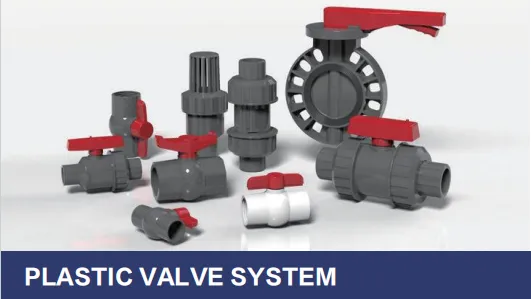
Before we jump into suppliers, let's make sure we're all on the same page about the products themselves. Plastic valve systems are mechanical devices used to regulate, direct, or control the flow of fluids (liquids or gases) by opening, closing, or partially obstructing passageways. Unlike metal valves, they're made from durable polymers like PVC (Polyvinyl Chloride), UPVC (Unplasticized PVC), PPR (Polypropylene Random Copolymer), and CPVC (Chlorinated PVC), each with unique properties suited to specific applications.
Not all valves are created equal. The type you need depends on the project's demands—pressure, temperature, fluid type, and space constraints. Here are the most common varieties you'll encounter:
You might wonder why plastic is preferred over metal in many cases. The answer lies in practicality: plastic valves are lightweight (easier to install), corrosion-resistant (no rust in water or chemical systems), and cost-effective (lower material and labor costs). They also insulate better than metal, reducing condensation and heat loss. For projects where weight, chemical resistance, or budget is a priority—think residential plumbing, coastal buildings, or chemical processing plants—plastic is often the smarter choice.
Let's cut to the chase: a bad supplier can turn a straightforward project into a nightmare. Consider this scenario: A contractor working on a 50-unit apartment complex orders plastic valves from a new supplier to save 10% on costs. The valves arrive two weeks late, pushing back the plumbing phase. When installed, 15% of them fail pressure testing, requiring emergency reorders. The delay cascades, pushing the project past its deadline and incurring penalties. The "savings" vanish—and the contractor's reputation takes a hit. This isn't hypothetical; it's a story we've heard too often.
A reliable plastic valve system supplier does more than deliver products—they deliver peace of mind. Here's how:
Not all plastic valves are manufactured to the same standards. Subpar materials or shoddy craftsmanship can lead to cracks, leaks, or premature failure. A reputable supplier sources from manufacturers with strict quality control processes and certifications like ASTM (American Society for Testing and Materials), DIN (Deutsches Institut für Normung), or ISO (International Organization for Standardization). For example, valves used in potable water systems should comply with ASTM D2466, while those for chemical applications might need ASTM D1784 certification. A good supplier will happily share test reports and certifications—if they hesitate, that's a red flag.
Valves rarely work alone. They're part of a larger system that includes pipes, fittings, and connectors. A supplier that also offers pipes fittings supplier services or specializes in upvc pipe solutions can streamline your supply chain. Imagine needing both valves and pvc dwv pipe for a drainage system—ordering from one supplier means fewer delivery schedules to track, fewer invoices to process, and better coordination between components. It also reduces the risk of compatibility issues: a valve from Supplier A and a pipe from Supplier B might not fit perfectly, leading to leaks. One-stop suppliers eliminate that guesswork.
Contractors and engineers don't just need products—they need answers. What valve type is best for a hospital's oxygen system? How do I ensure compliance with local fire codes? A top-tier supplier employs technical experts who understand building regulations, material science, and system design. They can help you select the right valve for the job, troubleshoot issues, and even provide custom solutions for unique projects. For example, if you're working on a school that requires fire-resistant materials, they might recommend pairing valves with class a fireproof cpl inorganic board for hospital and school solutions to meet safety standards.
Now that you know why a good supplier matters, let's break down how to find one. Use this checklist to evaluate potential partners:
Start with the basics: Does the supplier's products meet industry standards? Look for certifications like ASTM, DIN, or NSF (for potable water). For specialized projects, check for additional compliance—e.g., WRAS (Water Regulations Advisory Scheme) for UK water systems or AS/NZS for Australian markets. A supplier that skips certifications is gambling with your project's safety and legality.
A supplier with a narrow product range might leave you scrambling for parts. Look for one that offers multiple valve types (ball, gate, check), materials (PVC, UPVC, PPR), and sizes (from ½" residential valves to 12" industrial models). If your projects span residential and commercial work, check if they also provide ppr pipe and fitting supplier services—PPR is ideal for hot water systems, making it a common need in both sectors.
Construction schedules wait for no one. Ask about average lead times for standard products and how they handle rush orders. Do they keep inventory in local warehouses, or do products ship from overseas? A supplier with regional stock can often deliver in 2–3 days, while overseas shipments might take weeks. Also, inquire about their inventory tracking system—can they notify you if a product is backordered before you place an order?
Even the best products can fail. A supplier that stands behind its products will offer clear warranties (e.g., 5–10 years for residential valves) and responsive after-sales support. Ask: What's the process for returning defective products? Do they send technicians to assist with installation issues? A warranty is only as good as the supplier's willingness to honor it.
Price is important, but it shouldn't be the only factor. A slightly higher upfront cost might be worth it for better quality, faster delivery, or superior support. For example, a valve that costs $5 more but lasts 10 years longer (and avoids a $500 repair) is a better value than the cheaper alternative. Always weigh the total cost of ownership—not just the purchase price.
Valves are the "brains" of a fluid system, but they rely on pipes and fittings to be effective. A supplier that offers a full range of complementary products can simplify your workflow and ensure compatibility. Let's explore the most common pairings:
PVC DWV (Drain, Waste, and Vent) pipes are used for removing wastewater and venting sewer gases in residential and commercial buildings. They're lightweight, affordable, and resistant to clogs. When paired with the right plastic valves, they create a seamless drainage system. A pvc dwv pipe supplier that also provides valves ensures the two components fit together perfectly, reducing the risk of leaks at connection points.
UPVC (Unplasticized PVC) pipes are stronger and more rigid than standard PVC, making them ideal for high-pressure applications like water supply lines. upvc pipe solutions often include pipes, fittings, and valves designed to work together, ensuring consistent pressure handling and longevity. For projects like municipal water systems or commercial buildings, UPVC is a reliable choice.
PPR (Polypropylene Random Copolymer) pipes are heat-resistant, making them perfect for hot water systems in homes, hotels, and hospitals. A ppr pipe and fitting supplier can provide valves specifically designed for PPR systems, ensuring a tight seal even at high temperatures. Since PPR expands and contracts with heat, valves with flexible gaskets are critical to prevent leaks—something a specialized supplier will understand.
| Valve Type | Material | Best For | Key Benefit | Typical Complementary Products |
|---|---|---|---|---|
| Ball Valve | PVC/UPVC | Residential plumbing (on/off control) | Quick shut-off, low maintenance | PVC DWV pipes, PPR fittings |
| Gate Valve | UPVC | Commercial water mains | Full flow when open, minimal pressure drop | UPVC pressure pipes, flange fittings |
| Check Valve | CPVC | Industrial chemical systems | Prevents backflow of corrosive fluids | CPVC pipes, chemical-resistant fittings |
| Butterfly Valve | PPR | HVAC systems (air/water flow) | Lightweight, easy to automate | PPR hot water pipes, actuators |
Plastic valve systems are used in nearly every type of building, and the right supplier will have experience across sectors. Here's how they support common project types:
In single-family homes or apartment complexes, the focus is on cost-effectiveness and ease of installation. Suppliers catering to residential projects often offer bulk pricing on PVC valves, PVC DWV pipes, and basic fittings. They might also provide pre-packaged "plumbing kits" for standard home layouts, saving contractors time on material selection.
Commercial projects (offices, malls, hotels) require valves that meet strict building codes and handle higher usage. For example, a hotel with 200 rooms needs valves that can withstand constant water pressure fluctuations. Suppliers here might specialize in UPVC or CPVC valves with NSF certifications for potable water, paired with class a fireproof cpl inorganic board for hospital and school solutions in areas where fire safety is critical.
Industrial settings (factories, chemical plants, water treatment facilities) demand valves that resist corrosion, high temperatures, and aggressive chemicals. Suppliers serving this sector often offer specialty valves (e.g., lined valves for acid transport) and work with engineers to custom-design systems. They might also provide technical data on chemical compatibility to ensure valves can handle specific fluids.
Not all suppliers are created equal. Here are warning signs to avoid:
At the end of the day, choosing a plastic valve system supplier is about more than buying products—it's about building a partnership. The right supplier will understand your project goals, offer solutions that save you time and money, and stand by you when things get tough. They'll be as invested in your success as you are.
So, the next time you're sourcing valves, remember: this decision impacts everything from your project's timeline to its long-term durability. Take the time to research, ask tough questions, and prioritize quality and support over the lowest price. Your future self—and your clients—will thank you.
Recommend Products












