
Imagine walking through a newly built apartment building. The walls are smooth, the floors gleam, and the fixtures shine—but what keeps the water running to the taps, the heat flowing through the pipes, and the entire plumbing system balanced? Valves. These small, unassuming devices are the gatekeepers of any building's fluid systems, controlling flow, pressure, and direction with precision. Yet, when it comes to choosing between plastic valve system solutions and traditional copper valves, many project managers and builders find themselves at a crossroads. As a one-stop architectural solution provider with years of experience supplying materials to residential and commercial projects across Saudi Arabia, I've seen how this decision ripples through every stage of construction—from initial costs to long-term maintenance, and even the building's environmental footprint. In this guide, we'll break down the key differences between plastic and copper valves, helping you determine which option delivers better long-term value for your specific project needs.
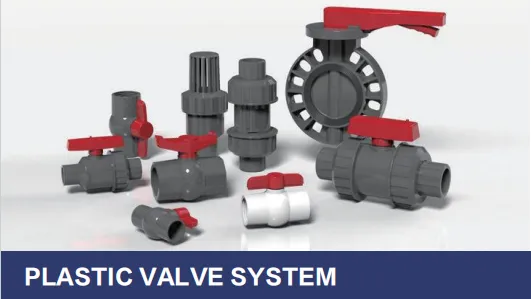
Plastic valve systems have surged in popularity over the past few decades, and it's not hard to see why. Made from durable polymers like PVC (polyvinyl chloride), PPR (polypropylene random copolymer), and PE (polyethylene), these valves are designed to meet the demands of modern construction. Unlike their metal counterparts, plastic valves are lightweight, corrosion-resistant, and highly adaptable—qualities that make them a favorite among pipes fittings suppliers and builders alike. But what exactly sets plastic valve system solutions apart?
One of the biggest advantages of plastic valves is their versatility. Whether you're working on a residential plumbing system, a commercial HVAC setup, or even a large-scale industrial project, there's a plastic valve designed to fit. As a plastic valve system supplier, we often highlight their resistance to chemicals, rust, and mineral buildup—issues that plague metal valves in harsh environments. For example, in coastal areas where saltwater can corrode copper, plastic valves remain unaffected, ensuring leak-free performance for years. Additionally, plastic valves are non-conductive, making them safer for use in electrical or high-moisture areas, such as basements or outdoor piping systems.
Another key selling point is their cost-effectiveness. Plastic valve system solutions typically come with a lower upfront price tag compared to copper, which is a major draw for budget-conscious projects. But it's not just about initial savings: plastic valves are also easier to produce at scale, reducing lead times and ensuring consistent quality—a boon for tight construction schedules. And because they're lightweight, transporting and handling them is a breeze, cutting down on labor costs and the risk of on-site injuries. For a one-stop architectural solution provider, this means streamlined logistics and happier clients who see their projects move faster.
Plastic valves aren't a one-size-fits-all solution. Depending on the project's needs, different types offer unique benefits: PVC valves, for instance, are ideal for cold-water systems and drainage (DWV) applications, thanks to their rigidity and chemical resistance. PPR valves, on the other hand, are designed for hot and cold water supply lines, making them a staple in residential and commercial plumbing. Then there are PEX valves, which excel in flexible piping systems, such as underfloor heating setups. As a pipes fittings supplier, we often recommend pairing these valves with compatible plastic pipes (like UPVC or PPR pipes) to create a seamless, leak-proof system—another reason why plastic valve system solutions are so popular for "one-stop" projects.
Copper valves have been a cornerstone of plumbing for over a century, and for good reason. For generations, builders and plumbers swore by copper for its strength, heat resistance, and natural antimicrobial properties. Walk into any older home or historic building, and you'll likely find copper pipes and valves still going strong decades after installation. But in a market flooded with modern materials, does copper still hold its own against plastic valve system solutions?
Copper's reputation for durability is well-earned. When properly installed, copper valves can last 50 years or more, making them a favorite for projects where longevity is non-negotiable. They're also highly resistant to high temperatures, which is why they're often used in hot water systems, steam lines, and industrial applications where heat is a constant factor. Additionally, copper has natural antimicrobial properties that inhibit the growth of bacteria like Legionella—a feature that once made it the go-to choice for hospitals and schools. While modern plastic valves now offer similar benefits (paired with Class A fireproof materials, for example), copper's legacy in these settings is hard to ignore.
However, copper isn't without its drawbacks. For starters, it's heavy—much heavier than plastic—which makes transportation and installation more labor-intensive. Installing copper valves also requires specialized skills, as they must be soldered or brazed into place. This not only adds to labor costs but also increases the risk of errors if the installer isn't experienced. Furthermore, copper is prone to corrosion in certain environments. In areas with acidic water or high mineral content, copper valves can develop pinhole leaks over time, leading to costly repairs. For pipes fittings suppliers, this means copper valves often come with a higher price tag and longer lead times, especially for custom sizes or specialized applications.
To determine which option offers better long-term value, we need to compare them across critical factors that impact both your budget and your project's success. Let's break it down:
| Factor | Plastic Valve System Solutions | Copper Valves |
|---|---|---|
| Initial Cost | 20-50% lower upfront cost compared to copper. For example, a standard 1-inch plastic ball valve costs $10-$20, while a copper equivalent ranges from $30-$50. | Higher initial investment due to material and production costs. Custom or large-diameter copper valves can cost upwards of $100 each. |
| Installation | Easy to install with basic tools (gluing, crimping, or threading). No need for soldering, reducing labor time by 30-40%. Ideal for DIY or less skilled labor teams. | Requires soldering or brazing, which demands skilled plumbers and specialized equipment. Installation time is 2-3x longer than plastic, increasing labor costs. |
| Durability | Lasts 20-30 years on average, with some high-quality PPR valves exceeding 50 years in ideal conditions. Resistant to corrosion, rust, and chemical damage. | Can last 50+ years but is vulnerable to corrosion in acidic or mineral-rich water. Prone to pinhole leaks if not maintained properly. |
| Maintenance | Minimal maintenance required. No need for anti-corrosion treatments or regular inspections. Leaks are rare and often easy to repair with replacement parts. | Requires periodic inspections for corrosion, especially in harsh environments. May need descaling or replacement of gaskets every 5-10 years. |
| Environmental Impact | Made from recyclable plastics (PVC, PPR) with lower embodied energy. Lightweight design reduces transportation emissions by 40-50% compared to copper. | 100% recyclable, but mining and smelting copper requires significant energy, leading to a higher carbon footprint. Heavy weight increases transportation emissions. |
| Application Suitability | Best for cold/hot water systems, drainage, residential/commercial plumbing, and areas with corrosive water. Ideal for hospitals, schools, and coastal projects. | Better for high-temperature systems (steam, industrial heating), historic buildings, and projects requiring a traditional aesthetic. Less suitable for coastal or acidic environments. |
When it comes to long-term value, plastic valve system solutions often come out on top for most modern construction projects. Here's why:
While copper valves may last longer in ideal conditions, the upfront savings of plastic valves are hard to ignore. For a mid-sized residential project with 100 valves, choosing plastic could save $2,000-$3,000 upfront. Factor in lower installation labor costs (thanks to easier handling and no soldering), and the gap widens even more. Over 10 years, the total cost of ownership for plastic valves is typically 30-40% lower than copper, especially when accounting for maintenance and repair expenses. For example, a single copper valve repair due to corrosion can cost $150-$300 in labor and parts—expenses that plastic valve systems rarely incur.
Modern buildings demand materials that can keep up with evolving standards, and plastic valve system solutions deliver. For hospitals and schools, where fire safety is critical, plastic valves can be paired with Class A fireproof CPL inorganic boards to meet strict safety codes. In coastal areas like Saudi Arabia, where saltwater corrosion is a concern, plastic valves remain unaffected, ensuring reliable performance for decades. And for one-stop architectural solution providers, plastic valves offer consistency and scalability—whether you're building 10 homes or 100, you can count on the same quality, lead times, and pricing.
Sustainability is no longer a buzzword—it's a requirement for many projects. Plastic valves have a lower carbon footprint from production to installation, thanks to their lightweight design and recyclable materials. For builders aiming for green certifications (like LEED), this can be a deciding factor. Additionally, plastic valves are easier to stock and transport, reducing the risk of delays due to supply chain issues. As a pipes fittings supplier, we've found that plastic valve systems help keep projects on schedule, even when timelines are tight.
A leading residential building materials supplier in Saudi Arabia recently completed a 200-unit apartment complex using plastic valve system solutions. The project team opted for PPR valves paired with UPVC pipes, citing cost and installation speed as key factors. The result? They saved $45,000 on plumbing materials alone and finished the piping work three weeks ahead of schedule. Five years later, follow-up inspections showed zero leaks or corrosion, with residents reporting consistent water pressure and no maintenance issues. "We were initially hesitant to switch from copper," said the project manager, "but the plastic valves have exceeded our expectations. The savings and peace of mind have made us converts."
A luxury hotel in Jeddah chose copper valves for its commercial kitchen, where high temperatures and constant use demanded a heat-resistant solution. The hotel's commercial building materials supplier recommended copper for the kitchen's hot water and steam lines, while using plastic valves for the rest of the plumbing system. While the copper valves cost 30% more upfront, they've performed flawlessly for eight years, withstanding daily temperatures of up to 120°C. "For specialized areas like commercial kitchens, copper is still the gold standard," noted the hotel's facilities manager. "But for the rest of the building, plastic valves have been a cost-effective, low-maintenance choice."
At the end of the day, the choice between plastic valve system solutions and copper valves depends on your project's specific needs. For most residential, commercial, and even institutional projects—from apartment buildings to hospitals—plastic valves offer unbeatable long-term value. They're affordable, easy to install, low-maintenance, and durable enough to handle the demands of modern construction. While copper valves still have a place in specialized applications like high-temperature industrial systems or historic renovations, their higher costs and maintenance requirements make them a secondary choice for budget and efficiency-focused builders.
As a one-stop architectural solution provider, we've seen how plastic valve systems empower builders to deliver better results at lower costs, all while meeting strict safety and sustainability standards. Whether you're a pipes fittings supplier, a project manager, or a homeowner planning a renovation, choosing plastic valve system solutions means investing in a future-proof, reliable, and cost-effective plumbing system—one that will keep your project running smoothly for years to come.
Recommend Products












