
When we think about the infrastructure that keeps our cities running—whether it's the water that flows from our taps, the heating in our homes, or the irrigation systems that nourish farmland—we rarely pause to consider the unsung heroes working behind the scenes. Valves, those small yet critical components, are the gatekeepers of fluid control, regulating flow, pressure, and direction in everything from residential plumbing to industrial pipelines. But in regions where the climate throws extreme challenges—scorching desert heat, bone-chilling winters, or corrosive coastal humidity—their role becomes even more vital. A single valve failure in such conditions can disrupt entire systems, leading to costly repairs, downtime, or even safety hazards. This is where plastic valve system solutions step in, offering a blend of durability, versatility, and thermal resilience that traditional metal valves often struggle to match. Today, we're diving into how these systems deliver consistent performance when the going gets tough, and why partnering with the right plastic valve system supplier can make all the difference.
First, let's clear up a common misconception: plastic valve systems aren't just cheap alternatives to metal. They're engineered solutions designed to address specific challenges, starting with the materials they're made from. Unlike rigid, heavy metal valves, plastic valves are crafted from high-performance polymers like PVC (Polyvinyl Chloride), UPVC (Unplasticized PVC), PPR (Polypropylene Random Copolymer), and PE (Polyethylene). Each material brings unique strengths: UPVC, for instance, boasts excellent chemical resistance and rigidity; PPR excels in hot water applications; and PE offers flexibility for underground installations. When paired with complementary components—think pipes from an upvc pipe supplier or fittings from a ppr pipe and fitting supplier—these valves form a cohesive system that's lightweight, easy to install, and resistant to corrosion, a combination that's hard to beat in harsh environments.
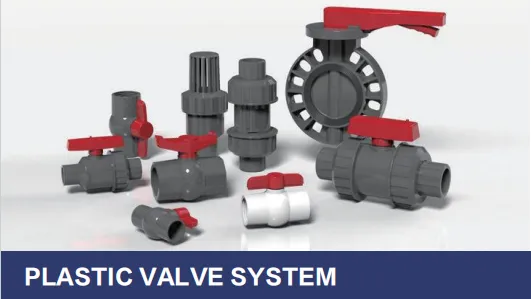
But what truly sets plastic valve systems apart is their adaptability. They come in a range of types—ball valves for on/off control, gate valves for precise flow adjustment, check valves to prevent backflow—and are designed to integrate seamlessly with various piping materials. Whether you're installing a new water distribution network in a desert city or retrofitting a hospital's plumbing system in a cold climate, there's a plastic valve solution tailored to the job. And as any experienced plastic valve system supplier will tell you, it's not just about the valve itself; it's about how well it works with the entire ecosystem of pipes, fittings, and environmental conditions.
Thermal stability isn't just a technical buzzword—it's the backbone of a valve's reliability in extreme weather. Put simply, it's a material's ability to maintain its structural integrity, seal tightness, and functionality when temperatures swing from one extreme to another. Imagine a valve in Riyadh, Saudi Arabia, where summer temperatures regularly hit 45°C (113°F) during the day and drop to 25°C (77°F) at night. Or a valve in a mountain village, where winter lows plunge to -20°C (-4°F) and rise to 10°C (50°F) by afternoon. These temperature fluctuations cause materials to expand and contract, and if a valve can't keep up, the results are predictable: cracks, leaks, seized handles, or worse, a complete system failure.
So, how do plastic valve systems achieve the thermal stability needed to thrive in such conditions? It starts with material science. Leading plastic valve system suppliers invest heavily in formulating polymers that can withstand temperature extremes. For example, UPVC valves are often blended with heat stabilizers and impact modifiers to prevent brittleness in the cold and softening in the heat. PPR valves, commonly used in hot water systems, are designed to handle continuous temperatures up to 95°C (203°F) without degrading. Even the design of the valve plays a role: reinforced bodies, precision-machined seals, and flexible joints allow for controlled expansion and contraction, ensuring the valve remains tight and operational.
Testing is another critical piece of the puzzle. Reputable suppliers subject their valves to rigorous thermal cycling tests, simulating years of temperature swings in a matter of weeks. These tests follow international standards like ASTM D2466 (for PVC pipe fittings) or ISO 15874 (for PPR systems), ensuring that the valves meet strict criteria for leak resistance, pressure tolerance, and structural integrity. When you choose a plastic valve system solution backed by such testing, you're not just buying a product—you're investing in peace of mind, knowing it's been proven to perform when the climate turns extreme.
Extreme climates come in many forms, and plastic valve systems are built to tackle each one head-on. Let's break down how they rise to the occasion in three of the most demanding scenarios:
In regions like Saudi Arabia, where daytime temperatures often exceed 45°C (113°F) and sunlight beats down relentlessly, plastic valves face a dual threat: heat and UV radiation. Left unprotected, standard plastics can soften, warp, or degrade under prolonged exposure, leading to leaks or reduced flow control. This is where specialized plastic valve system solutions shine. Suppliers catering to the Saudi Arabia building materials supplier market, for instance, prioritize UV-stabilized materials that block harmful radiation, preventing discoloration and brittleness. Valves designed for desert climates also feature reinforced seats and stems, ensuring that even when the plastic expands slightly in the heat, the seal remains tight. Take, for example, a residential complex in Jeddah that installed UPVC valves paired with pipes from a local upvc pipe supplier: after five years of sweltering summers, the valves showed no signs of degradation, and the water pressure remained consistent—a testament to the system's thermal resilience.
At the opposite end of the spectrum, sub-zero temperatures pose their own set of challenges. In places like northern Europe or high-altitude regions, valves can become brittle, making them prone to cracking under impact or pressure. Here, plastic valve systems rely on impact modifiers and flexible formulations to stay tough. PPR valves, for example, are known for their ductility even at low temperatures, while some PVC blends include additives that absorb shock, preventing breakage during freezing conditions. A case in point: a school in a mountainous area of Austria installed PPR valves and fittings from a ppr pipe and fitting supplier, alongside plastic valve system solutions designed for cold climates. During a particularly harsh winter with temperatures dropping to -18°C (-0.4°F), the system continued to deliver hot water without a single valve failure—a stark contrast to the metal valves they'd replaced, which had cracked repeatedly in previous winters.
Coastal areas, industrial zones, and regions with high humidity present another challenge: corrosion. Saltwater, chemical fumes, and moisture can eat away at metal valves, leading to rust, pitting, and eventual failure. Plastic valves, however, are inherently corrosion-resistant. Materials like PVC and PE don't react with salt, acids, or alkalis, making them ideal for coastal plumbing, chemical processing plants, or wastewater systems. In Miami, Florida, for example, a coastal resort switched to plastic valve systems after years of replacing corroded metal valves in their irrigation network. The new valves, supplied by a plastic valve system supplier specializing in marine-grade solutions, have now been in place for eight years with zero corrosion-related issues, reducing maintenance costs by over 60%.
When it comes to extreme climates, a "one-size-fits-all" approach to valves simply doesn't cut it. That's why leading plastic valve system suppliers focus on delivering solutions , not just products. These solutions are tailored to the unique demands of each project, combining technical expertise, high-quality components, and ongoing support to ensure long-term performance.
So, what does a comprehensive plastic valve system solution look like? It starts with a deep dive into the project's needs: What's the maximum temperature the valve will face? What type of fluid is being transported? What are the local building codes? Armed with this information, the supplier can recommend the right materials (UPVC for cold water, PPR for hot water, PE for underground applications) and valve types (ball valves for quick shut-off, gate valves for precise flow). They'll also ensure compatibility with other system components, working closely with upvc pipe suppliers or ppr pipe and fitting suppliers to create a seamless, leak-free network.
Innovation is another cornerstone of these solutions. Today's plastic valves feature design advancements like encapsulated O-rings that maintain seal integrity across temperature extremes, fusion-welded joints that eliminate leak points, and pressure-rated bodies that handle spikes in flow without bursting. Some suppliers even offer custom-engineered valves for unique challenges—say, a valve that can withstand both high heat and chemical exposure in an industrial setting. And because installation matters as much as the product itself, many suppliers provide on-site technical support, training installers on proper fitting techniques to maximize performance.
For regions with particularly harsh climates, like Saudi Arabia, partnering with a local plastic valve system supplier or a saudi arabia building materials supplier offers an added advantage: they understand the nuances of the environment firsthand. They know which materials stand up to desert UV rays, which valves work best with the region's water chemistry, and how to navigate local regulations. This local expertise ensures that the solution isn't just technically sound—it's practical, reliable, and built to thrive in the conditions it will face every day.
| Material Type | Typical Temperature Range | Best For | Key Thermal Stability Features |
|---|---|---|---|
| UPVC | -10°C to 60°C (14°F to 140°F) | Cold water systems, irrigation, industrial piping | UV-stabilized formulations, heat-resistant additives, rigid structure |
| PPR | -10°C to 95°C (14°F to 203°F) | Hot water systems, residential plumbing, heating | High-temperature creep resistance, impact modifiers for cold climates |
| PE (HDPE) | -40°C to 60°C (-40°F to 140°F) | Underground piping, wastewater, chemical transport | Flexible design for freeze-thaw resistance, chemical inertness |
| PVC-C (Chlorinated PVC) | 0°C to 93°C (32°F to 200°F) | Industrial hot water, chemical processing | Enhanced heat distortion temperature, corrosion resistance |
At the end of the day, even the most advanced plastic valve system solution is only as good as the supplier behind it. When selecting a partner, look beyond price tags and focus on these key qualities:
Whether you're a contractor building a hospital in Riyadh, a developer retrofitting a school in a cold climate, or a facility manager maintaining an industrial plant by the coast, the right plastic valve system supplier will be your ally in ensuring reliable, long-lasting performance. After all, in extreme climates, it's not just about the valve—it's about the trust you place in the team behind it.
Plastic valve systems have revolutionized how we approach fluid control in extreme climates, offering a winning combination of thermal stability, corrosion resistance, and versatility that metal valves often can't match. From the scorching deserts of Saudi Arabia to the freezing winters of mountain regions, these systems deliver consistent performance, ensuring that the infrastructure we rely on stays up and running—no matter what the weather throws at it.
But their success isn't just about the materials or the design. It's about the plastic valve system solutions that bring these components to life: tailored, tested, and backed by the expertise of suppliers who understand the challenges of extreme environments. So, the next time you turn on the tap, adjust the thermostat, or walk past a construction site, take a moment to appreciate the plastic valves working tirelessly behind the scenes. And when it's time to build or upgrade your own system, remember: choosing the right plastic valve system supplier isn't just a purchase—it's an investment in a future where performance never falters, even when the climate turns extreme.
Recommend Products












