
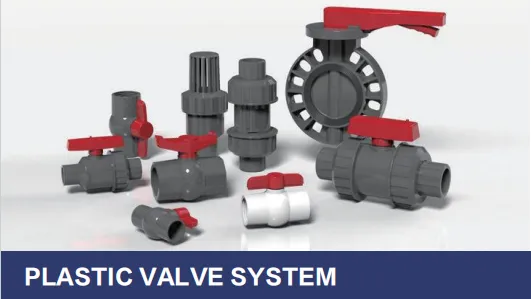
When you think about the heart of your home's plumbing, what comes to mind? Maybe the pipes hidden behind walls, the faucets you use daily, or the water heater that keeps showers warm. But there's a quiet workhorse in there that often goes unnoticed: the plastic valve system solutions that control the flow of water, prevent backflows, and keep everything running smoothly. Whether you're building a new home, renovating a bathroom, or just tackling a plumbing upgrade, getting these valves right isn't just about avoiding leaks—it's about ensuring your home's plumbing is efficient, durable, and ready to stand the test of time. In this guide, we'll walk through everything you need to know about installing plastic valve systems in residential plumbing, from understanding the basics to mastering the step-by-step process, and even avoiding those common mistakes that can turn a simple project into a costly headache.
Gone are the days when metal valves were the only option. Today, plastic valve systems have become a go-to for homeowners and plumbers alike, and it's easy to see why. They're lightweight, corrosion-resistant (no more rusty valves clogging up your pipes), and often more affordable than their metal counterparts. Plus, they play nice with some of the most popular piping materials in residential plumbing today: ppr pipe and fitting solutions and pex pipe and fitting solutions . PPR (polypropylene random copolymer) pipes are known for their heat resistance and durability, making them perfect for hot water lines, while PEX (cross-linked polyethylene) pipes are flexible and easy to install, ideal for tight spaces. When paired with the right plastic valves, these systems create a plumbing setup that's not just functional but built to last.
But here's the thing: even the best materials can fail if installed incorrectly. A valve that's slightly misaligned, a connection that's not sealed properly, or a valve that's too small for the pipe—these might seem like minor issues, but they can lead to reduced water pressure, leaks, or even water damage over time. That's why focusing on installation best practices isn't just "good practice"—it's essential for protecting your home and your wallet.
Let's start with the basics. A plastic valve system solution isn't just a single valve—it's a collection of components designed to control, regulate, and direct the flow of water in your plumbing system. These valves are made from materials like PVC (polyvinyl chloride), CPVC (chlorinated polyvinyl chloride), or PEX-compatible plastics, each chosen for specific uses. For example, CPVC valves are great for hot water lines because they can handle higher temperatures, while PVC valves are often used for cold water or drainage systems.
In residential plumbing, plastic valves have a few key jobs:
•
On/Off Control:
Think of the valve under your sink that shuts off water to the faucet—this is a basic on/off valve, often a ball valve or gate valve.
•
Backflow Prevention:
Check valves ensure water flows in only one direction, preventing contaminated water from flowing back into clean water lines (critical for things like sump pumps or washing machines).
•
Pressure Regulation:
Some valves, like pressure-reducing valves, keep water pressure at a safe level, protecting appliances and pipes from damage.
•
Flow Control:
Globe valves or needle valves adjust the rate of water flow, useful for things like showerheads or irrigation systems.
The key is to match the valve to its job. Installing a gate valve (which is great for full-on/full-off flow) where you need precise control (like a shower) would be like using a sledgehammer to hang a picture—it might work, but it's not the right tool for the job. So before you start turning wrenches, let's break down the most common types of plastic valves you'll encounter in residential plumbing.
Not all valves are created equal. Each type has a specific design, purpose, and best-use scenario. Let's break down the most popular ones you'll find in residential projects:
| Valve Type | Primary Use | Best For | Compatibility with PPR/PEX | Pros | Cons |
|---|---|---|---|---|---|
| Ball Valve | On/off control (full flow) | Main water lines, under-sink shutoffs | Works with both PPR and PEX (use compatible fittings) | Quick to open/close, durable, minimal pressure drop | Not ideal for precise flow adjustment |
| Gate Valve | Full flow control (slow open/close) | Water mains, where flow needs to be fully open/closed | Compatible with PPR (use solvent-welded connections) | Low friction loss when fully open | Prone to seizing if not used regularly; not for frequent use |
| Check Valve | Prevent backflow | Sump pumps, washing machines, hot water heaters | Works with PPR and PEX (choose PEX-compatible for flexible pipes) | Protects against contaminated water backup | Can fail if debris gets stuck in the valve |
| Globe Valve | Precise flow control | Showers, faucets, where flow rate needs adjustment | Compatible with PPR (use threaded connections) | Great for throttling flow | Higher pressure drop; more expensive than ball valves |
| Compression Valve | Small-scale shutoffs | Toilet supply lines, under-sink fixtures | Works with PEX (use compression rings) | Easy to install, no soldering needed | Not ideal for high-pressure lines; can leak if overtightened |
As you can see, each valve has its strengths. For most residential projects, ball valves are a safe bet for main shutoffs—they're reliable and easy to use. Check valves are non-negotiable for any area where backflow could be a problem, like a sump pump. And if you're working with PEX pipes, compression valves or PEX-specific ball valves (with crimp or clamp connections) will make installation a breeze.
Before you even touch a wrench, take a step back and plan. Trust me, this will save you hours of frustration later. Here's what you need to do:
Grab a pencil and paper (or use a digital app) and sketch out the area you're working on. Note where the pipes enter and exit, where fixtures (like sinks, toilets, or water heaters) are located, and where valves will need to be placed. Valves should be installed at "access points"—places where you can easily reach them if you need to shut off water in an emergency. For example, under the kitchen sink, near the water heater, or at the main water line entering your home.
This might seem obvious, but it's how often people grab the first valve they see without checking the size. Valves are sized by pipe diameter (usually in inches: ½", ¾", 1"), and they need to match the pipes they're connecting to. A ¾" valve on a ½" pipe will restrict flow, while a ½" valve on a ¾" pipe won't control flow properly. To measure your pipe, use a caliper or wrap a string around it, mark the length, and divide by 3.14 to get the diameter.
Also, consider the type of pipe you're using. If you're working with ppr pipe and fitting solutions , you'll need valves with solvent-welded connections (where you use PVC cement to bond the valve to the pipe). For pex pipe and fitting solutions , look for valves with crimp, clamp, or push-to-connect fittings—these are designed to work with PEX's flexibility without damaging the pipe.
Nothing kills momentum like realizing you're missing a tool halfway through the job. Here's a checklist to keep handy:
Plumbing codes vary by location, and some areas have specific rules about what type of valves can be used, where they should be placed, or how they should be installed. For example, some municipalities require a certain type of check valve for sump pumps, or they might prohibit certain plastic valves in high-temperature applications. A quick call to your local building department or a chat with a licensed plumber can save you from having to redo work later.
Now that you've planned, measured, and gathered your tools, it's time to get to work. We'll walk through the general process, with tips specific to PPR and PEX pipes since those are so common in residential settings.
This is non-negotiable. Locate the main water shutoff valve for your home (usually near the water meter) and turn it off. Then, open a faucet at the lowest point in your home (like a basement sink) to drain any remaining water from the pipes. This prevents water from gushing out when you cut into the pipes.
Measure and mark where you'll cut the pipe to install the valve. Use a pipe cutter for clean, straight cuts—hacksaws can leave jagged edges, which are harder to seal. After cutting, use a deburring tool to smooth the inside and outside of the pipe. Burrs can damage O-rings or prevent proper seating, leading to leaks.
Before you break out the cement or crimp tools, do a "dry fit": assemble the valve and pipes without any adhesives or connections to make sure everything lines up. Valves should be straight (use a level to check), and there should be no gaps between the valve and the pipe ends. If something feels off, adjust your cuts or reposition the valve—now's the time to fix it, not after you've glued everything together.
For PPR Pipes and Solvent-Welded Valves:
1. Apply primer to the outside of the pipe and the inside of the valve socket. Primer cleans the plastic and helps the cement bond better.
2. Apply a thin, even layer of PPR cement to both the pipe and the socket (more isn't better—excess cement can clog the pipe).
3. Push the pipe into the valve socket with a slight twist, and hold it for 30 seconds to ensure a tight bond.
4. Let it cure for at least 24 hours before turning the water back on (check the cement label for specific curing times—some fast-drying cements may cure in a few hours, but it's safer to wait longer).
For PEX Pipes and Crimp/Clamp Valves:
1. Slide a crimp ring or clamp onto the PEX pipe.
2. Push the PEX pipe onto the valve's barbed fitting until it hits the shoulder (you should feel resistance—don't force it if it's not going on easily; check for burrs!).
3. Position the crimp ring ¼" to ½" from the end of the pipe.
4. Use a crimp tool (for copper rings) or a clamp tool (for stainless steel clamps) to compress the ring onto the pipe and fitting. Make sure the tool is aligned properly—most tools have a "go/no-go" gauge to check if the crimp is tight enough.
5. For push-to-connect valves (like SharkBite), simply push the pipe onto the fitting until it clicks—no tools needed! These are great for beginners, but they're a bit more expensive.
Once the valve is installed and any cement is cured, slowly turn the main water back on. Open the valve fully and check around the connections for drips or leaks. If you see a leak, turn the water off immediately and tighten the connection (for threaded valves) or re-crimp (for PEX). If the leak persists, you may need to disassemble and start over—better to fix it now than deal with water damage later.
Even with the best intentions, it's easy to slip up during installation. Here are the mistakes I see most often—and how to steer clear of them:
Plastic is durable, but it's not indestructible. Overtightening threaded valves or compression fittings can crack the plastic, leading to leaks. A good rule of thumb: hand-tighten first, then give it a quarter-turn with a wrench—stop if you feel resistance.
Rough edges on cut pipes can tear O-rings, damage gaskets, or prevent a tight seal. A 30-second deburr with a tool is all it takes to avoid this.
Not all PVC cement works for PPR pipes, and some cements are only for cold water. Always check the label to make sure the cement is compatible with your pipe material and the temperature of the water flowing through it.
Check valves have a "flow direction" (marked with an arrow on the valve body). Installing them backward will cause them to fail, leading to backflow. Always align the arrow with the direction water flows.
It's tempting to turn the water back on right after installing a solvent-welded valve, but cement needs time to bond. Rushing curing can result in weak connections that leak later.
Installing your valves correctly is just the first step—maintaining them will ensure they last for years. Here's what you can do:
Valves that sit unused for years can seize up (especially gate valves). Every few months, turn them on and off a few times to keep them moving freely.
Take a quick peek under sinks, near water heaters, and at main shutoffs every few months. Look for dampness, discoloration, or small puddles—these are early signs of a leak.
If you notice reduced water flow, sediment might be buildup in the valve. For ball valves, partially open and close them a few times to flush out debris. For more stubborn buildup, you may need to disassemble the valve and clean the internal parts (turn off the water first!).
If a valve is leaking, hard to turn, or not shutting off completely, don't wait to replace it. A faulty valve is a ticking time bomb for water damage.
At the end of the day, plastic valve system solutions might not be the most glamorous part of your home, but they're essential. By taking the time to plan, choose the right materials, and follow these installation best practices, you're not just installing valves—you're building a plumbing system that you can trust. Whether you're a DIY enthusiast or a homeowner working with a pro, understanding the "why" behind each step will help you make smarter decisions and ensure your project is a success.
So the next time you turn on a faucet or flush a toilet, take a second to appreciate those plastic valves quietly doing their job. And remember: a little care during installation goes a long way toward keeping your home's plumbing running smoothly for years to come.
Recommend Products












