
Renovating a space—whether it's a cozy family home, a bustling office, or a busy hospital—often feels like solving a complex puzzle. Behind the fresh paint and new fixtures lies a maze of systems that need updating, and few are as critical (or as tricky) as plumbing. Old pipes corrode, valves stick, and suddenly what should be a simple refresh turns into a week-long nightmare of tearing out walls and replacing rusted metal components. If you've ever been there, you know the stress: Will the new parts fit in the tight spaces left by decades-old construction? Can we finish before the kids come home from school, or before the office reopens on Monday? And most importantly, will this fix last longer than the last one? For contractors and homeowners alike, retrofitting plumbing systems has long been the "problem child" of renovations. But what if there was a solution that cut through the hassle—something durable, adaptable, and designed with the chaos of retrofits in mind? Enter plastic valve systems. In this article, we'll dive into why these unassuming components are becoming the go-to choice for making retrofits smoother, faster, and more reliable than ever before.
Let's start with the obvious: retrofitting isn't new construction. When you're working with existing structures, you're not building on a blank canvas—you're navigating around load-bearing walls, crawl spaces, and infrastructure that was never designed to be taken apart. For plumbing, this means dealing with pipes that snake through walls at odd angles, valves tucked behind cabinets, and connections that have fused together after years of use.
Traditional metal pipes and valves only add to the frustration. Cast iron and galvanized steel, once the gold standard, are prone to corrosion. Over time, rust clogs pipes, reduces water pressure, and creates leaks that can silently damage drywall or rot wood. Worse, metal is heavy—try carrying a 10-foot length of galvanized steel pipe up a narrow staircase, and you'll quickly appreciate why contractors dread these jobs. Welding or threading metal components also requires specialized tools and skills, adding time and labor costs to the project. And if a metal valve fails? You're looking at cutting through walls to replace it, which means more dust, more mess, and more downtime.
Then there's the issue of compatibility. Old systems often mix materials—copper here, steel there—and connecting new metal parts to old ones can lead to galvanic corrosion, where dissimilar metals react chemically and break down even faster. For commercial projects like hospitals or schools, where safety and compliance are non-negotiable, using outdated materials can even risk failing inspections. It's no wonder that 68% of contractors surveyed by the National Association of the Remodeling Industry (NARI) cite plumbing retrofits as one of their top three most time-consuming tasks.
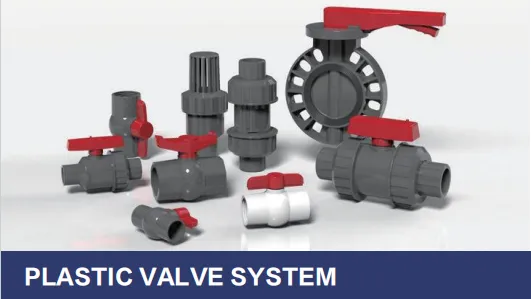
If metal is the problem, plastic is increasingly the solution—and plastic valve systems are leading the charge. Made from materials like PVC, UPVC, PPR, and PEX, these systems are designed to address the specific challenges of retrofitting. Let's break down why they're gaining traction:
Lightweight and Maneuverable: Plastic valves and pipes weigh a fraction of their metal counterparts. A 10-foot length of 1-inch UPVC pipe, for example, weighs about 2 pounds—compared to 15 pounds for a similar steel pipe. This makes them easier to carry, easier to fit into tight spaces (hello, crawl spaces and attic corners), and less likely to damage existing structures during installation.
Corrosion-Resistant: Unlike metal, plastic doesn't rust, corrode, or react with water or chemicals. That means no more orange-tinted water from rusty pipes, and no more leaks caused by pitting corrosion. For areas with hard water or high mineral content—common in regions like Saudi Arabia—this is a game-changer. Plastic valve systems can last 50 years or more with minimal maintenance, outliving many traditional metal setups.
Flexible and Adaptable: Many plastic pipes, like PEX, can bend up to 90 degrees without kinking, eliminating the need for elbow joints in tight turns. This flexibility is a lifesaver when retrofitting older homes with uneven stud spacing or commercial buildings with complex layouts. Plastic valves also come in compact designs, making them easier to install in cramped utility closets or behind fixtures.
Quick and Easy Installation: Forget welding torches or threading machines. Plastic valves and pipes connect using simple methods like compression fittings, push-to-connect systems, or heat fusion (for PPR and PEX). A contractor with basic tools can install a plastic valve in minutes, not hours. This cuts down on labor costs and reduces project timelines—music to the ears of homeowners eager to move back in or business owners losing revenue during downtime.
Cost-Effective: Plastic materials are generally cheaper than metal, and when you factor in lower labor costs and longer lifespans, the savings add up. A 2023 study by the Plumbing-Heating-Cooling Contractors Association (PHCC) found that using plastic valve systems in retrofits reduced total plumbing costs by an average of 23% compared to metal systems. For large projects like hotels or hospitals, that's a difference of tens of thousands of dollars.
Plastic valve systems don't work alone—they're part of a ecosystem that includes pipes, fittings, and connectors, all designed to work together seamlessly. To get the most out of them, it helps to understand the main players. Below is a breakdown of the most common plastic pipe materials and how they pair with plastic valves in retrofits:
| Material | Best For | Temperature Resistance | Pressure Rating | Why It Works in Retrofits |
|---|---|---|---|---|
| UPVC (Unplasticized PVC) | Cold water lines, drain/waste/vent (DWV) systems, irrigation | 0°C to 60°C (32°F to 140°F) | Up to 16 bar (232 psi) for pressure pipes | Rigid but lightweight; ideal for straight runs in walls or under floors. Compatible with plastic ball valves and gate valves for easy shutoff. |
| PPR (Polypropylene Random Copolymer) | Hot and cold water lines in homes, offices, hospitals | -10°C to 95°C (-14°F to 203°F) | Up to 20 bar (290 psi) at 20°C | Heat-resistant and durable; fused joints create leak-proof seals. Perfect for retrofitting kitchens and bathrooms where hot water is constant. |
| PEX (Cross-Linked Polyethylene) | Residential plumbing, radiant heating systems, tight spaces | -40°C to 95°C (-40°F to 203°F) | Up to 12 bar (174 psi) at 70°C | Extremely flexible; bends around obstacles without fittings. Push-to-connect valves make installation a breeze in old homes with limited access. |
| PVC-U SCH40 (PVC for Pressure Piping) | Municipal water lines, commercial irrigation, industrial applications | 0°C to 60°C (32°F to 140°F) | Up to 10 bar (145 psi) for 1-inch pipe | Thick-walled and rigid; designed for high-pressure systems. Paired with heavy-duty plastic butterfly valves for large-scale retrofits. |
The magic of these systems is their compatibility. A quality plastic valve system supplier will offer valves, pipes, and fittings that are engineered to work together, reducing the risk of leaks or mismatched parts. For example, PPR pipes from a trusted ppr pipe and fitting supplier will come with matching plastic ball valves that share the same temperature and pressure ratings, ensuring a system that performs reliably for decades.
Even the best materials won't save a retrofit if they're installed poorly. Here are some pro tips for getting the most out of plastic valve systems during a renovation:
When the Rodriguez family decided to renovate their 1960s Los Angeles home, they knew the galvanized steel pipes in the walls were a ticking time bomb. "We'd had three leaks in two years, and the water pressure in the shower was worse than a trickle," says Mrs. Rodriguez. Their contractor recommended a full retrofit using PEX pipes and plastic valves, citing the material's flexibility and ease of installation.
The team used PEX pipes to snake through the narrow wall cavities between the original studs—no need to tear down entire sections of drywall. Plastic ball valves were installed under each sink and behind the toilet, making future repairs a snap. "The whole plumbing part took just two days," Mr. Rodriguez recalls. "We were back in the house by the end of the week, and our water pressure is better than ever. Plus, the contractor said these plastic valves should outlive us!"
Renovating a busy hospital wing is a high-stakes job—downtime means delaying patient care, and safety is non-negotiable. When a Riyadh-based hospital needed to update its plumbing system to meet new fire safety codes, the project managers turned to a combination of Class A fireproof CPL inorganic boards (for wall renovations) and plastic valve systems (for plumbing).
"We couldn't afford to shut down the entire wing, so we needed a solution that could be installed in phases," explains the hospital's facilities director. The team used UPVC pipes and pressure-rated plastic valves for the main water lines, as their rigid structure and high-pressure tolerance made them ideal for the hospital's heavy water usage. PPR pipes were used for patient rooms, where hot water demand is constant. "The plastic valves were lightweight enough to install overnight, between shifts," the director adds. "We finished the retrofit three weeks ahead of schedule, and the new system has met every safety inspection since."
Even the best-laid retrofit plans can fall apart if you're working with subpar materials. That's why choosing a reliable plastic valve system supplier is just as important as selecting the right materials. Here's what to look for:
Certifications and Compliance: Reputable suppliers will have products certified by organizations like NSF (for potable water safety), ASTM (for material standards), or ISO (for quality management). For example, a pex pipe and fitting supplier should provide documentation that their products meet ASTM F876/F877 standards—this ensures they're safe for drinking water and durable enough for retrofits.
Range of Products: The best suppliers offer more than just valves—they provide a full suite of pipes, fittings, and accessories, so you can get everything you need from one source. This saves time on ordering and reduces the risk of compatibility issues. Look for suppliers who carry UPVC, PPR, and PEX options, as well as specialty products like PVC DWV pipes for drain systems.
Technical Support: Retrofitting is rarely straightforward, and you'll want a supplier who can answer questions when things get tricky. Do they offer installation guides, or can you reach a technical expert by phone? For commercial projects, some suppliers even provide on-site consultations to help plan the system layout.
Local Presence: A supplier with a local warehouse or distribution center means faster delivery times—critical when you're on a tight renovation schedule. In regions like Saudi Arabia, where logistics can be challenging, working with a local plastic valve system supplier ensures you won't be left waiting for parts from overseas.
At the end of the day, renovations are about creating spaces that work better—for families, employees, patients, or customers. Plumbing might not be the most glamorous part of that process, but it's the backbone that holds everything together. Plastic valve systems, paired with the right pipes and fittings, are changing the game by making retrofits faster, cheaper, and more reliable than ever before. They're lightweight enough to navigate tight spaces, durable enough to last decades, and flexible enough to adapt to whatever your renovation throws at them.
So the next time you're gearing up for a retrofit, don't let plumbing stress you out. Talk to a trusted plastic valve system supplier, map out your needs, and let these modern solutions take the hassle out of the process. After all, renovations should be about the excitement of a fresh start—not the frustration of old pipes and stuck valves. With plastic valve systems, you can have both: a space that looks new, and a plumbing system that works like it's brand-new, too.
Recommend Products












