
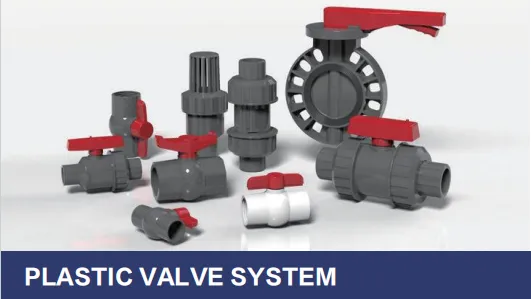
In the heart of industrial operations—whether it's a chemical plant processing corrosive fluids, a water treatment facility managing high-pressure distribution, or a manufacturing unit powering hydraulic machinery—lies a network of pipes and valves that form the circulatory system of productivity. Among these components, plastic valve systems have emerged as unsung heroes, offering a blend of durability, cost-effectiveness, and versatility that traditional metal systems often struggle to match. Yet, for all their advantages, high-pressure applications introduce a unique set of challenges that can make even the most seasoned engineers pause. Leaks, material fatigue, chemical incompatibility, and compliance with strict industry standards are just a few of the concerns that linger in the minds of facility managers tasked with keeping operations running smoothly. In this article, we'll dive into these common worries, explore how modern plastic valve system solutions address them, and why partnering with a trusted plastic valve system supplier can turn anxiety into confidence.
Before we unpack the concerns, let's ground ourselves in the reality of high-pressure environments. What exactly qualifies as "high-pressure"? In industrial settings, this typically refers to systems operating at 100 psi (pounds per square inch) or higher, though some specialized applications—like oil and gas transmission or power generation—can exceed 1,000 psi. At these pressures, even a minor flaw in a valve or fitting can have catastrophic consequences: a hairline crack might escalate into a full-blown leak, spewing toxic chemicals or scalding fluids; a worn seal could lead to pressure drops, reducing system efficiency and driving up energy costs; or worst-case, a sudden failure could trigger shutdowns, equipment damage, or even safety incidents.
Consider a mid-sized chemical plant in Riyadh, where a PVC valve in a 150-psi acid transfer line failed last year. The result? A two-day production halt, $45,000 in lost revenue, and a costly cleanup to address environmental contamination. For the plant manager, this wasn't just a mechanical issue—it was a wake-up call about the critical role of valve system reliability. "We'd always assumed plastic was 'good enough' for our needs," he later shared, "but high pressure changes everything. We needed solutions that didn't just meet specs on paper, but held up under the real-world stress of our operations."
This story isn't unique. From food processing plants to pharmaceutical facilities, the demand for plastic valve systems in high-pressure applications is growing—and so is the need for solutions that address the very real concerns keeping decision-makers up at night.
When it comes to plastic valve systems in high-pressure settings, skepticism often stems from outdated perceptions or past experiences with subpar products. Let's break down the most frequent concerns we hear from clients—and why they matter.
Leakage tops the list for a reason: in high-pressure systems, even a slow drip can lead to significant losses over time. Fluids like water, chemicals, or fuel aren't just wasted—they can corrode surrounding equipment, create slip hazards, or contaminate workspaces. For industries like pharmaceuticals or food processing, where hygiene is non-negotiable, a leak could even trigger regulatory violations or product recalls.
"We once worked with a beverage manufacturer that was losing 500 gallons of sanitizing solution monthly due to leaky valves in their high-pressure cleaning line," recalls a senior engineer at a leading plastic valve system supplier. "They'd tried tightening connections, replacing gaskets, even switching to cheaper metal valves, but the problem persisted. The issue wasn't just the cost of the lost fluid—it was the time spent troubleshooting and the risk of downtime during peak production seasons."
A common myth persists: plastic is "weaker" than metal and prone to cracking or warping under pressure. This misconception often stems from early plastic piping systems, which lacked the advanced formulations and engineering of today's products. In reality, modern plastics like CPVC (Chlorinated Polyvinyl Chloride) and PVC-U (Unplasticized Polyvinyl Chloride) are engineered to withstand extreme pressure and temperature fluctuations— but only when paired with the right valve designs and installation practices.
"I still get questions like, 'Can plastic really handle 200 psi day in and day out?'" says a technical consultant with over 15 years in the industry. "The answer is yes—if you choose the right system. But we've seen clients cut corners, using standard PVC valves in high-pressure lines meant for CPVC SCH80, and then blame the material when they fail. It's not about plastic being 'weak'; it's about matching the solution to the application."
Many high-pressure systems transport aggressive substances—acids, alkalis, solvents, or saltwater—that can eat away at metal valves over time. While plastic is often lauded for its chemical resistance, not all plastics are created equal. A valve that performs flawlessly with water might degrade rapidly when exposed to, say, sulfuric acid or industrial cleaning agents.
A wastewater treatment plant in Jeddah learned this the hard way when they installed generic plastic valves in a 120-psi line carrying chlorine-based disinfectants. Within six months, the valves began to degrade, developing pinholes that compromised the system. "We thought all plastic was resistant to chemicals," the plant's maintenance supervisor explained. "We didn't realize there are specific formulations—like CPVC SCH80—that are designed for these exact conditions."
Even the best valve system can fail if installed incorrectly. High-pressure applications demand precise fitting alignment, proper torqueing of connections, and compatibility with adjacent pipes and fittings. For example, mixing PVC-U SCH40 components with CPVC SCH80 valves can create weak points, as the two materials have different thermal expansion rates and pressure ratings.
"We once visited a construction site where contractors had used PPR pipe fittings with a PVC-U valve in a high-pressure heating system," notes a field technician. "The PPR and PVC-U expanded at different rates when heated, loosening the connection and causing a leak. The client was frustrated, thinking the valve was faulty, but the issue was incompatibility. Without proper guidance, even experienced installers can make mistakes that cost time and money."
In regulated industries like healthcare, aerospace, or oil and gas, compliance with standards like ASTM (American Society for Testing and Materials), ISO (International Organization for Standardization), or local codes (e.g., SASO in Saudi Arabia) is non-negotiable. A valve system that lacks proper certification isn't just a liability—it can bar a facility from operating altogether.
"For hospitals, using non-certified valves in high-pressure medical gas lines could violate JCAHO (Joint Commission on Accreditation of Healthcare Organizations) standards," explains a compliance specialist. "We've seen facilities invest in cheap, uncertified plastic valves to save costs, only to face fines or shutdowns during inspections. The risk isn't worth the savings."
The good news? Today's plastic valve system solutions are engineered to tackle these concerns head-on, leveraging advanced materials, precision manufacturing, and tailored design. Let's explore how each worry is being resolved.
To combat leakage, leading plastic valve system suppliers have reimagined sealing technology. Modern valves now feature:
Take the case of a water treatment plant in Dammam that upgraded to CPVC SCH80 high pressure piping system solutions. By switching to valves with Viton seals and one-piece construction, they eliminated 90% of their leakage issues, saving an estimated 2,000 gallons of water monthly and reducing maintenance calls by 65%.
Gone are the days of flimsy plastic valves. Today's high-pressure solutions rely on advanced polymers designed to withstand the toughest conditions:
To put this in perspective: a CPVC SCH80 valve installed in a 180-psi chemical line can last 25+ years with proper maintenance, outperforming galvanized steel (which typically corrodes within 10–15 years in corrosive environments) and matching the lifespan of stainless steel at a fraction of the cost.
Not all plastics are created equal, and the key to chemical resistance lies in matching the valve material to the fluid it will transport. Reputable plastic valve system suppliers offer detailed chemical compatibility charts, helping clients select the right solution for their needs:
For the Jeddah wastewater plant that struggled with chlorine degradation, switching to CPVC SCH80 high pressure piping system solutions was transformative. "The CPVC valves have been in place for three years now, and there's zero signs of degradation," the maintenance supervisor reports. "We test the fluid regularly, and the valves are holding up perfectly."
Even the best valves fail without proper installation. That's why leading suppliers now offer comprehensive support, including:
A construction firm in Riyadh recently leveraged this support when installing a high-pressure heating system in a luxury hotel. By working with their plastic valve system supplier's technical team, they avoided mixing PPR and PVC-U components, ensuring the system operated flawlessly on its first test run.
For regulated industries, peace of mind comes from third-party certifications. Top plastic valve system suppliers invest in rigorous testing to meet global standards, including:
Hospitals and schools, for example, often require Class A fireproof materials, and suppliers of class a fireproof cpl inorganic board for hospital and school solutions understand the need for valves that meet fire safety standards. By choosing certified products, facilities avoid regulatory headaches and demonstrate a commitment to safety.
With so many options available, selecting the right plastic valve system can feel overwhelming. To simplify, we've compared three of the most popular solutions for high-pressure applications:
| System Type | Max Pressure Rating (psi at 73°F) | Max Temperature (°F) | Chemical Compatibility | Typical Applications | Key Supplier Example |
|---|---|---|---|---|---|
| CPVC SCH80 | 200–300 | 200 | Resistant to acids, alkalis, and most solvents | Chemical processing, industrial HVAC, wastewater treatment | cpvc sch80 high pressure piping system supplier |
| PVC-U SCH40 | 100–150 | 140 | Best for water, saltwater, and mild chemicals | Irrigation, municipal water distribution, swimming pools | pvc-u sch40 pressure piping system supplier |
| Reinforced PPR | 120–160 | 180 | Potable water, food-grade fluids, mild acids | Residential/commercial plumbing, food processing, medical facilities | ppr pipe and fitting supplier |
You might be wondering: Why not stick with metal valves, which have been used for decades? While metal (like stainless steel or brass) has its place, plastic offers distinct advantages in high-pressure applications:
Of course, metal still has advantages in ultra-high-pressure (over 1,000 psi) or extreme-temperature (over 250°F) applications. But for most industrial, commercial, and residential high-pressure systems, plastic is the smarter choice.
At the end of the day, the best plastic valve system solutions are only as good as the supplier behind them. A reliable partner doesn't just sell products—they provide expertise, support, and peace of mind. When choosing a plastic valve system supplier, look for:
For businesses in Saudi Arabia, partnering with a local plastic valve system supplier offers added benefits, including faster delivery, knowledge of regional regulations (like SASO), and support in Arabic.
High-pressure applications demand valve systems that don't just meet expectations—they exceed them. Today's plastic valve system solutions, from CPVC SCH80 to reinforced PPR, are engineered to address the most pressing concerns: leakage, durability, chemical resistance, installation, and compliance. By leveraging advanced materials, innovative design, and the support of a trusted supplier, facility managers can transform anxiety into confidence, knowing their systems will perform reliably for years to come.
Whether you're upgrading an existing system or building a new one, remember: the right solution isn't just about the valve itself—it's about the peace of mind that comes with knowing every connection is built to last. In the world of high-pressure operations, that's not just an advantage—it's essential.
Recommend Products












