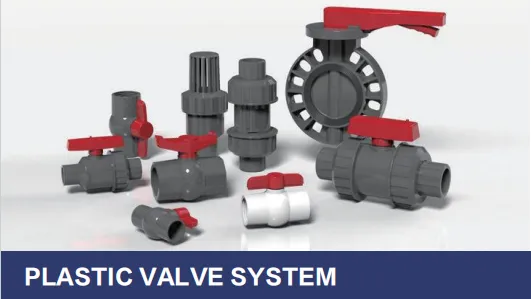
When most people hear "plastic valves," they might picture the flimsy PVC valves under their kitchen sink. But today's plastic valve system solutions are a far cry from those basics. Made from advanced polymers like UPVC (unplasticized polyvinyl chloride), CPVC (chlorinated polyvinyl chloride), and PEX (cross-linked polyethylene), these valves are engineered to thrive where metal often falters. Let's break down their key advantages—especially in harsh climates.
1. Corrosion Resistance: Plastic Doesn't Rust, and That's a Big Deal
Here's the headline: plastic valves don't corrode. Not in saltwater, not in acidic rain, not in chemical-laden industrial runoff. Unlike metal, which reacts with moisture and chemicals to form rust or scale, plastic is inert to most corrosive agents. Take upvc pipe solutions, for example—UPVC valves are widely used in coastal regions because they laugh off salt spray. In a study by the American Society of Plumbing Engineers, UPVC valves exposed to saltwater mist for 5 years showed zero signs of corrosion, while brass valves under the same conditions developed pitting and leaks within 18 months.
Even in industrial settings, where fluids might contain oils, solvents, or cleaning agents, plastic valves hold their own. PVC DWV (drain, waste, vent) pipe solutions, paired with matching plastic valves, are a staple in commercial kitchens and hospitals because they resist grease, detergents, and even mild acids—something metal valves struggle with unless they're expensive, corrosion-resistant alloys (which come with a steep price tag).
2. Temperature Tolerance: More Than Just "Plastic"
One common myth? Plastic valves can't handle heat. While it's true that some early plastics melted or warped under high temperatures, modern formulations tell a different story. CPVC valves, for instance, can handle hot water up to 93°C (200°F)—making them ideal for residential and commercial plumbing systems. UPVC, though better suited for cold water, still performs reliably in desert temperatures up to 60°C (140°F) without deforming, thanks to UV-stabilized additives that prevent sun damage.
In cold climates, plastic's flexibility becomes an asset. Unlike metal, which can become brittle and crack in freezing temperatures, plastic valves (especially PEX) have some give. They expand and contract with temperature changes, reducing the risk of fractures during freeze-thaw cycles—a common problem with cast iron or steel valves in regions like Canada or Scandinavia.
3. Lightweight and Easy to Install: Less Hassle, Lower Costs
Anyone who's ever lifted a cast iron valve knows: metal is heavy. A 4-inch brass gate valve can weigh 15-20 pounds, requiring two people to install. Plastic valves? A comparable UPVC valve might weigh 2-3 pounds—light enough for a single worker to carry and fit, even in tight spaces like ceiling cavities or underground trenches.
This lightweight nature translates to real-world savings. Lighter materials mean lower shipping costs, fewer worker injuries, and faster installation times. In a large-scale project—say, building a new hospital in Riyadh—swapping metal for plastic valves could cut installation labor by 30% or more, according to contractors we spoke with. And in high-rise construction, where every pound adds up, plastic valves reduce the load on structural supports, opening up design possibilities.
4. Low Maintenance, Long Lifespan: Set It and (Mostly) Forget It
Metal valves demand attention. Steel valves need regular painting to prevent rust. Brass valves require lubrication to keep their moving parts from seizing. Even stainless steel, while corrosion-resistant, can develop biofilm in warm, wet environments, leading to clogs or reduced flow. Plastic valves? They're practically maintenance-free. No painting, no lubrication, no rust checks. Just install them, and they'll keep working—often for 20-30 years in harsh climates, according to industry data.
Take pvc dwv pipe solutions in a commercial bathroom: these systems handle constant moisture, soap scum, and occasional clogs, yet the plastic valves rarely need servicing. Compare that to a metal valve in the same setting, which might start leaking after 5-7 years due to corrosion at the threads.