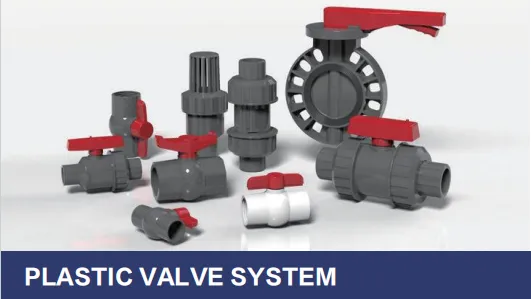
As cities grow vertically, high-rise residential towers have become the backbone of urban housing, offering efficient use of space and stunning views for residents. Yet behind the sleek glass facades and modern interiors lies a critical challenge: ensuring reliable, safe, and efficient water distribution. From the ground floor to the penthouse, water must flow with consistent pressure, minimal noise, and zero risk of leakage—all while meeting strict safety and sustainability standards. In this complex ecosystem, the choice of plumbing components, particularly valves, can make or break a building's water management system. Traditional metal valves, once the go-to option, are increasingly giving way to plastic valve systems, a shift driven by their unique ability to address high-rise-specific challenges. Let's explore why plastic valve systems are becoming the preferred solution for modern high-rise residential towers, and how they're reshaping the future of vertical water distribution.
The Unique Challenges of Water Distribution in High-Rise Towers
Water distribution in high-rise buildings is far more complex than in low-rise structures. At its core, it's a battle against physics: water must be pumped to heights of 100 meters or more, then regulated to prevent overwhelming pressure on lower floors. This creates a cascade of challenges that demand innovative solutions:
Pressure Variability and Regulation
Imagine a 40-story tower: the water pressure at ground level could exceed 400 kPa, enough to burst pipes or damage fixtures on the first few floors. Meanwhile, the 35th floor might struggle with insufficient pressure, leading to weak showers or slow-filling bathtubs. Valves play a critical role here, acting as "traffic controllers" to adjust pressure zone by zone. Traditional metal valves, while durable, are often bulky and rigid, making precise pressure regulation difficult in tight ceiling or wall spaces common in high-rises.
Corrosion and Water Quality
Municipal water supplies can contain minerals, chemicals, or even trace amounts of chlorine, which over time corrode metal pipes and valves. In coastal high-rises, saltwater in the air exacerbates this issue, leading to rust buildup, leaks, and contamination risks. Corroded valves not only fail to regulate pressure effectively but can also leach metals into drinking water, violating health standards. For building managers, this means frequent replacements, costly downtime, and unhappy residents.
Installation and Maintenance Access
High-rise plumbing systems are often tucked into narrow shafts, behind walls, or above suspended ceilings—spaces that are hard to reach during installation and even harder during maintenance. Metal valves, heavy and cumbersome, require more labor to transport and install, increasing project timelines and costs. When repairs are needed, removing a corroded metal valve from a tight shaft can involve cutting through walls or ceilings, disrupting residents and adding to maintenance expenses.
Sustainability and Cost Pressures
Today's developers and homeowners alike prioritize sustainability. Metal production is energy-intensive, and metal valves have a shorter lifespan in harsh water conditions, leading to more frequent replacements and waste. Additionally, the weight of metal increases transportation fuel use and structural load on buildings, requiring stronger support systems. For budget-conscious projects, these hidden costs—from material sourcing to long-term upkeep—add up quickly.
Why Plastic Valve Systems Are the Modern Solution
Plastic valve systems have emerged as a game-changer for high-rise water distribution, addressing each of these challenges with a combination of durability, flexibility, and efficiency. Unlike metal, plastic is inherently resistant to corrosion, lightweight, and customizable, making it ideal for the unique demands of vertical buildings. Let's break down the key advantages that make plastic valves a superior choice:
Corrosion Resistance: A Lifespan Built to Last
Plastic valves, made from materials like PVC, UPVC, and PPR, are impervious to rust, mineral buildup, and chemical corrosion. Whether the water supply is hard, chlorinated, or slightly acidic, plastic valves maintain their integrity over decades. This resistance eliminates the need for frequent replacements, reducing long-term maintenance costs and minimizing disruptions for residents. For example, a
pvc dwv pipe supplier
will often highlight how their products, paired with compatible plastic valves, can last 50+ years in drainage systems—far longer than metal alternatives in the same environment.
Lightweight Design: Easing Installation and Structural Load
Plastic is significantly lighter than metal—PVC valves, for instance, weigh up to 70% less than equivalent brass valves. This lightweight nature simplifies every stage of the process: transportation to the construction site, lifting to upper floors via cranes or elevators, and manual installation by plumbers. Reduced weight also lowers the structural load on the building itself, allowing for slimmer support beams and more flexible floor plans. In a 50-story tower, the cumulative weight savings from plastic valves and pipes can translate to hundreds of tons of reduced structural stress, a critical advantage for engineers designing cost-effective, safe buildings.
Precision Pressure Regulation: Tailored for Vertical Flow
High-rise water systems require precise pressure control to avoid flooding lower floors or starving upper ones. Plastic valves excel here, thanks to advanced manufacturing techniques that allow for tight tolerances in valve seats and diaphragms. For example, PPR ball valves, often supplied by
ppr pipe and fitting supplier
partners, offer smooth, quarter-turn operation that adjusts flow rates with pinpoint accuracy. This precision is enhanced by plastic's low friction coefficient, which reduces water turbulence and noise—critical for maintaining a peaceful living environment in residential towers.
Cost-Effectiveness: Saving from Day One
Plastic valve systems are not only cheaper to produce than metal but also reduce costs across the project lifecycle. Material costs for plastic valves are typically 30–50% lower than brass or steel equivalents. Installation labor is reduced, too: lighter valves require fewer workers to handle, and their smooth surfaces make threading and connection faster. Over time, lower maintenance needs and longer lifespans further drive down costs. For developers, this means better alignment with budgets, and for homeowners, lower HOA fees and fewer unexpected assessments for repairs.
Design Flexibility: Fitting the Tightest Spaces
High-rise plumbing systems often navigate around electrical wiring, HVAC ducts, and structural beams, requiring compact, adaptable components. Plastic valves can be molded into complex shapes—from slim-profile ball valves to multi-port manifolds—that fit into tight wall cavities or ceiling voids. This flexibility reduces the need for costly rerouting of pipes, allowing for more efficient use of space and faster construction timelines. Additionally, plastic's compatibility with modern pipe materials, such as PPR and PE, ensures seamless integration into existing systems, a key benefit for retrofits or expansions.
Types of Plastic Valve Systems for High-Rise Applications
Not all plastic valves are created equal. Different materials and designs are optimized for specific roles within a high-rise water system, from supplying potable water to draining wastewater. Understanding these types is critical for selecting the right solution for each application. Below is a comparison of the most common plastic valve systems used in residential towers:
|
Valve Type
|
Material
|
Primary Application
|
Max Pressure Rating
|
Temperature Range
|
Key Advantage for High-Rises
|
|
PVC Ball Valve
|
PVC (Polyvinyl Chloride)
|
Potable water, irrigation, cold water lines
|
10–16 bar (depending on size)
|
0°C–60°C
|
Cost-effective, quick quarter-turn operation for easy pressure adjustment
|
|
UPVC Gate Valve
|
UPVC (Unplasticized PVC)
|
Main water lines, pressure regulation
|
16–25 bar
|
0°C–70°C
|
High pressure resistance, ideal for main risers in tall buildings
|
|
PPR Check Valve
|
PPR (Polypropylene Random Copolymer)
|
Hot/cold water supply lines, preventing backflow
|
10 bar (at 20°C)
|
-10°C–95°C
|
Heat resistance for hot water systems, compatible with PPR pipes and fittings
|
|
PE Butterfly Valve
|
PE (Polyethylene)
|
Large-diameter water mains, fire sprinkler systems
|
6–10 bar
|
-40°C–60°C
|
Lightweight, low maintenance for large-scale water distribution
|
|
PVC DWV Valve
|
PVC (for Drainage, Waste, Vent)
|
Wastewater drainage, vent systems
|
Non-pressure (gravity flow)
|
0°C–60°C
|
Smooth interior reduces clogs, corrosion-proof for long-term drainage reliability
|
Each of these valve types plays a unique role, but their success depends on partnering with a reliable
plastic valve system supplier
that understands high-rise requirements. A quality supplier will not only provide durable products but also offer technical support, helping engineers select the right valve material and design for each zone of the building—from the basement pump room to the rooftop water tanks.
Installation and Integration: Ensuring Optimal Performance
Even the best plastic valve system will underperform if installed incorrectly. High-rise installations require careful planning to account for pressure zones, pipe compatibility, and future maintenance access. Here are key considerations for integrating plastic valves into a high-rise water distribution system:
Zone-Based Pressure Management
Most high-rises divide water distribution into vertical zones, each with its own pump and pressure regulator. Plastic valves are critical here, as they must handle the unique pressure demands of each zone. For example, lower zones (floors 1–10) may require pressure-reducing valves to prevent pipe damage, while upper zones (floors 40–50) need valves that can withstand higher pump pressures. A knowledgeable
plastic valve system supplier
will help size valves based on flow rates, ensuring each zone operates within safe pressure limits.
Compatibility with Pipes and Fittings
Plastic valves must work seamlessly with the building's pipes, whether they're PVC, PPR, or UPVC. Mismatched materials can lead to leaks at connection points, especially under high pressure. For instance, PPR valves should always be paired with PPR pipes and fittings from the same
ppr pipe and fitting supplier
, as this ensures uniform thermal expansion rates and secure bonding. Similarly, drainage systems using PVC DWV pipes should use valves from a trusted
pvc dwv pipe supplier
to guarantee a tight, leak-free fit.
Installation Best Practices
Plastic valves require slightly different installation techniques than metal. For example, threading plastic pipes too tightly can cause cracking, while improper solvent welding (for PVC) can weaken joints. Plumbers must be trained to handle plastic components, using calibrated torque tools for threaded connections and ensuring clean, dry surfaces for solvent bonding. Additionally, valves should be installed with easy access panels, allowing for quick maintenance without cutting into walls—critical in occupied residential towers.
Testing and Certification
Before a building is occupied, the entire water system—valves included—must undergo rigorous testing. Plastic valve systems should be pressure-tested at 1.5 times the maximum operating pressure for at least 30 minutes, with no drop in pressure indicating a tight seal. Additionally, valves must meet local safety standards, such as NSF/ANSI 61 for potable water contact and ASME B16.44 for valve performance. Reputable suppliers will provide certification documents, ensuring compliance with regional codes.
Case Study: A 50-Story Tower's Transition to Plastic Valve Systems
To illustrate the impact of plastic valve systems in high-rises, let's look at a recent project: a 50-story residential tower in Riyadh, Saudi Arabia, home to 300 families. The developer initially planned to use brass valves but switched to plastic after consulting with a
plastic valve system supplier
and analyzing lifecycle costs. Here's how the transition paid off:
The Challenge
The tower's design included 10 water zones, with the top floors requiring water pressure of 6 bar. The local water supply is high in minerals, which had caused corrosion issues in nearby metal-plumbed buildings. The developer also aimed to reduce construction time and meet LEED sustainability certification requirements.
The Solution
The project team selected a combination of UPVC gate valves for main risers (supplied by a
plastic valve system supplier
), PPR check valves for hot water lines (from a
ppr pipe and fitting supplier
), and PVC DWV valves for drainage (sourced from a
pvc dwv pipe supplier
). The valves were paired with lightweight UPVC and PPR pipes, reducing overall system weight by 40% compared to metal.
The Results
-
Installation Time:
Reduced by 25% due to lighter materials and faster connections.
-
Cost Savings:
35% lower material costs and 20% lower labor costs compared to the original brass valve plan.
-
Sustainability:
LEED points earned for reduced material waste and lower transportation emissions.
-
Performance:
After 3 years of operation, zero leaks or corrosion reported, with pressure regulation maintaining ±0.5 bar accuracy across all zones.
This case study highlights how plastic valve systems aren't just a cost-cutting measure but a performance enhancer, delivering reliability and sustainability in equal measure.
The Future of Plastic Valve Systems in High-Rises
As technology advances, plastic valve systems are evolving to meet even stricter high-rise demands. Smart valves with built-in sensors are on the horizon, allowing real-time monitoring of pressure, flow, and temperature via building management systems. These valves can alert maintenance teams to issues like partial blockages or pressure spikes before they escalate into leaks. Additionally, recycled plastic materials are being integrated into valve production, reducing environmental impact without compromising strength. For high-rise developers, these innovations mean more control, fewer surprises, and buildings that are truly future-proof.
Conclusion: A Clear Choice for Modern High-Rises
Water distribution in high-rise residential towers is a balancing act of pressure, durability, and cost—and plastic valve systems are the key to striking that balance. With their corrosion resistance, lightweight design, and precision performance, plastic valves address the unique challenges of vertical water flow while aligning with sustainability goals and budget constraints. From the basement to the penthouse, they ensure residents enjoy consistent water pressure, quiet operation, and peace of mind, all while reducing long-term maintenance headaches for building managers. As cities continue to reach for the sky, plastic valve systems will remain a cornerstone of efficient, reliable, and modern high-rise living—proving that sometimes, the most innovative solutions come in surprisingly lightweight packages.