


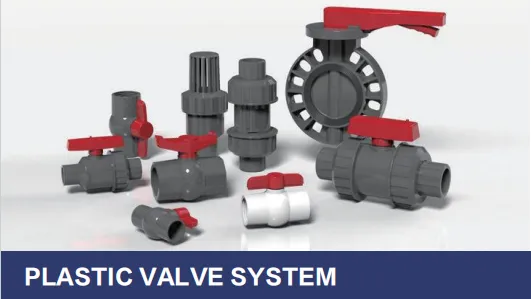
Behind every functional building—whether it's a cozy home, a bustling hospital, a sprawling school, or a towering commercial complex—lies a network of systems working tirelessly to keep things running smoothly. Among these, plastic valve systems are the quiet workhorses, regulating the flow of water, gases, and other fluids with precision and reliability. Unlike their metal counterparts, plastic valves offer a unique blend of durability, corrosion resistance, and cost-effectiveness, making them indispensable in today's construction landscape.
Think about the last time you turned on a faucet, flushed a toilet, or enjoyed a hot shower. Chances are, a plastic valve was involved in directing that water to where it needed to go. In hospitals and schools, where safety and hygiene are non-negotiable, these systems play an even more critical role—ensuring that water supplies remain uncontaminated and fire safety protocols are upheld, much like the Class A fireproof CPL inorganic boards that line their walls. For businesses and homeowners alike, understanding the basics of plastic valve systems isn't just technical knowledge; it's the key to making informed decisions about installation, maintenance, and long-term efficiency.
In this article, we'll unpack everything you need to know about plastic valve systems: from their core definitions and materials to the intricate components that make them tick. We'll also explore their wide-ranging applications and offer insights into choosing the right plastic valve system supplier to meet your project's unique needs. Whether you're a contractor, a facility manager, or a curious homeowner, this guide will help you appreciate the complexity and importance of these essential systems.










