
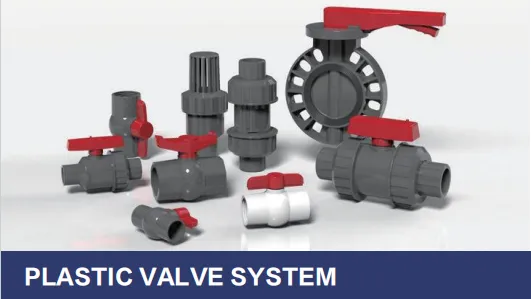
Walk into any building—whether it's your home, a bustling office, a hospital treating patients, or a school filled with students—and you'll find a hidden network working tirelessly to keep things comfortable, safe, and functional. It's not the Wi-Fi, the air conditioning, or even the electricity (though those are important). It's the plumbing system. From the water that flows when you brush your teeth to the heating in winter and the drainage that keeps spaces dry, plumbing is the silent backbone of modern life. And within that backbone, there's a component that acts like a set of precision controls: plastic valve systems. These small but mighty devices regulate flow, prevent disasters, and ensure every part of the plumbing network works in harmony. Let's unpack why plastic valve systems have become indispensable, their core roles in today's buildings, and how they integrate with the pipes, fittings, and materials that make up our daily infrastructure.
Before we dive into their functions, let's start with the basics. A valve is essentially a gatekeeper for fluids—liquids or gases. It can open to let flow pass, close to stop it, or adjust to control the rate. Plastic valve systems are simply valves made from various plastic materials like PVC (polyvinyl chloride), PPR (polypropylene random copolymer), and UPVC (unplasticized polyvinyl chloride), designed to work seamlessly with modern plumbing setups. Unlike older metal valves, which were prone to rust, heavy to install, and expensive to maintain, plastic valves bring a host of benefits that make them perfect for today's fast-paced construction and renovation projects. But what really sets them apart is how they've evolved to handle the specific demands of modern buildings—from high-rise apartments to specialized facilities like hospitals and schools.
You might be wondering, "Why plastic?" Well, think about the environments valves operate in: damp, often with chemicals (like in industrial settings or even just the minerals in tap water), and under constant pressure. Plastic resists corrosion, doesn't react with most substances, and holds up well over time. Plus, it's lightweight, which makes installation easier (no need for heavy machinery or extra workers to lift metal valves), and it's often more affordable than traditional materials. For suppliers and installers alike—whether you're a plastic valve system supplier or a contractor working on a residential project—this combination of durability, cost-effectiveness, and ease of use is a game-changer.
If plastic valve systems are the gatekeepers of plumbing, what exactly do they "keep" and "gate"? Let's break down their core functions—these are the tasks that make them irreplaceable in modern infrastructure:
At their most basic, valves control whether fluid flows or not. Imagine turning off the water to your kitchen sink to fix a leaky faucet. The valve under the sink is what makes that possible. In larger systems, like a commercial building with dozens of restrooms, valves manage the flow to different floors or sections, ensuring water reaches where it's needed without waste. Plastic valves excel here because they're designed for precise control—whether you need a slow, steady trickle (like in a hospital's dialysis unit) or a full, powerful flow (like in a factory's cleaning station). Unlike some metal valves, which can get stuck or corrode over time, plastic valves maintain their "switch-like" reliability, even after years of use.
Water pressure is a tricky thing. Too low, and your shower turns into a weak drizzle; too high, and you risk bursting pipes, damaging appliances, or even causing leaks that lead to mold or structural damage. Plastic valve systems include pressure-regulating valves that act like traffic cops, keeping pressure within safe limits. For example, in a high-rise apartment building, water from the roof tank might flow with too much force to the lower floors. A plastic pressure valve installed on the main line reduces that pressure, so residents on the 10th floor get the same steady flow as those on the 2nd. This isn't just about comfort—it's about safety. Burst pipes can flood homes, ruin electronics, and even compromise a building's foundation. Plastic valves, with their resistance to wear and tear, ensure pressure stays balanced day in and day out.
Here's a scenario no one wants: contaminated water from a sink or drain flowing backward into the clean water supply. That's called backflow, and it's a serious health risk—imagine bacteria from a floor drain getting into the water you drink or bathe in. Plastic valve systems include check valves, which are one-way gates that only let water flow in one direction. Think of them like a turnstile at a stadium: you can go through one way, but you can't come back. In hospitals, where sterility is critical, or schools with hundreds of children, backflow prevention isn't optional—it's a legal requirement. Plastic check valves are ideal here because they don't rust (which could contaminate water) and they maintain a tight seal, even after repeated use. A reliable pipes fittings supplier will often pair these valves with compatible pipes (like UPVC or PPR) to create a fully secure system.
Modern plumbing isn't just valves—it's a mix of pipes, fittings, drains, and fixtures. For the system to work, everything needs to "speak the same language." Plastic valve systems are designed to integrate seamlessly with the most common pipe materials used today. Whether you're working with upvc pipe (sturdy and ideal for cold water), ppr pipe and fitting (great for hot water systems like radiators), or pvc dwv pipe (drain, waste, and vent pipes that carry away sewage), plastic valves fit right in. This compatibility is a huge win for installers and suppliers. Instead of juggling multiple materials or worrying about mismatched parts, a ppr pipe and fitting supplier can offer valves that connect perfectly with their pipes, reducing installation time and the risk of leaks.
Valves don't get to take days off. They're exposed to water, humidity, temperature changes, and sometimes even chemicals (like in commercial kitchens or labs). Plastic valves are built to last in these tough environments. For example, PVC valves resist corrosion from salts and minerals in water, while PPR valves handle high temperatures without warping. In hospitals, where cleanliness is non-negotiable, plastic valves won't harbor bacteria or rust, making them easier to sanitize. Even in underground systems, like those using pvc well casing and screen pipes for water wells, plastic valves hold up against soil chemicals and pressure, ensuring long-term reliability. When you choose a quality plastic valve, you're not just buying a part—you're investing in a component that will work for decades with minimal maintenance.
Valves don't work alone—they're part of a team that includes pipes, fittings, and other plumbing hardware. To understand their role better, let's look at how different pipe types (common in modern plumbing) pair with plastic valves, and why this teamwork matters. The table below breaks down key pipe materials, their uses, and the types of plastic valves that complement them:
| Pipe Type | Primary Use | Compatible Plastic Valve Types | Why This Pairing Works |
|---|---|---|---|
| UPVC Pipe (from upvc pipe supplier ) | Cold water supply, irrigation, industrial fluid transport | Ball valves, gate valves | UPVC is rigid and strong; ball valves (quick to open/close) and gate valves (precise flow control) handle its high pressure well. |
| PPR Pipe (from ppr pipe and fitting supplier ) | Hot and cold water systems (residential/commercial), heating | Butterfly valves, check valves | PPR handles heat up to 95°C; butterfly valves adjust flow rate easily, while check valves prevent hot water backflow. |
| PVC DWV Pipe (from pvc dwv pipe supplier ) | Drainage, waste, and vent systems (sinks, toilets, showers) | Gate valves, relief valves | DWV pipes carry wastewater; gate valves seal tightly to block odors, and relief valves prevent pressure buildup from clogs. |
| PEX Pipe (from pex pipe and fitting supplier ) | Residential water lines (flexible, easy to install in tight spaces) | Ball valves, pressure-regulating valves | PEX is flexible; ball valves are compact and fit in tight spots, while pressure regulators keep flow steady in bendy lines. |
This compatibility isn't an accident. Plastic valve system suppliers work closely with pipe manufacturers to ensure their products fit and function together. For example, a ppr pipe and fitting supplier might design their pipes with specific thread sizes that match the valves from a trusted plastic valve supplier, eliminating guesswork for installers. This collaboration is key to why modern plumbing systems are more reliable and efficient than ever before.
Plastic valve systems aren't one-size-fits-all—they're versatile enough to meet the unique needs of different buildings and industries. Let's take a look at some of the most common applications where they play a starring role:
In your house, plastic valves are everywhere: under sinks, behind toilets, in water heaters, and even in your garden irrigation system. For example, the valve that lets you switch between your showerhead and bathtub faucet? Plastic. The valve that shuts off water to your washing machine if there's a leak? Also plastic. Residential plumbing demands reliability (no one wants a midnight pipe burst) and affordability, and plastic valves deliver on both. They're easy for plumbers to install, which keeps renovation costs down, and they don't corrode, so you won't have to replace them every few years. Even in high-end homes with custom fixtures, plastic valves work quietly in the background to ensure daily routines run smoothly.
Offices, malls, hotels, and restaurants have plumbing systems under constant stress. Think about a busy hotel with 200 rooms—each with a shower, toilet, and sink—or a restaurant kitchen with multiple dishwashers and sinks. These systems need to handle high flow rates, varying pressure, and frequent use. Plastic valve systems rise to the challenge here. For instance, butterfly valves in commercial HVAC systems adjust water flow to keep temperatures consistent across floors, while check valves in restaurant kitchens prevent wastewater from backing up into clean sinks. And because commercial buildings often have complex layouts, the lightweight nature of plastic valves makes them easier to install in walls, ceilings, and tight spaces—saving time and labor costs for contractors.
Facilities like hospitals and schools have zero tolerance for plumbing failures. In a hospital, contaminated water could risk patient health; in a school, a leak could disrupt classes and create safety hazards. Plastic valve systems are a top choice here for their hygiene and reliability. For example, class a fireproof cpl inorganic board (used in hospital walls for fire safety) pairs with plastic valves in the plumbing behind those walls, ensuring even in emergencies, the water supply remains controlled. In labs or medical facilities, chemical-resistant plastic valves prevent dangerous leaks, while backflow-preventing check valves keep clean water supplies pure. Schools, too, benefit from low-maintenance plastic valves—no need for frequent repairs that take away from learning time.
Now that you know how vital plastic valve systems are, the next question is: How do you choose a supplier you can trust? After all, the quality of your valves directly impacts the performance of your plumbing system. Here are a few key things to keep in mind:
1. Product Range and Compatibility: A good supplier should offer valves that work with the pipes and materials you're using. For example, if you're installing PPR pipes from a ppr pipe and fitting supplier , your valve supplier should have PPR-compatible valves in stock. Look for suppliers who partner with pipe manufacturers to ensure compatibility—this reduces the risk of mismatched parts.
2. Certifications and Quality Standards: Valves need to meet industry standards to ensure safety and durability. Ask for certifications like ISO, ASTM, or local regulatory approvals (e.g., SASO in Saudi Arabia). A saudi arabia building materials supplier should be familiar with regional standards, ensuring their valves comply with local building codes.
3. Technical Support: Even the best products need backup. Choose a supplier that offers technical help—whether it's advising on valve types for a specific project or troubleshooting installation issues. This is especially important for complex projects, like hospital plumbing or industrial systems.
4. Reputation and Reliability: Check reviews, ask for references, or talk to other contractors. A supplier with a track record of delivering on time and standing behind their products is worth their weight in gold. After all, delays in getting valves can hold up an entire construction project.
Plastic valve systems aren't standing still. As buildings become smarter and more focused on sustainability, valves are evolving too. Today, you'll find "smart valves" with sensors that monitor flow, pressure, and leaks, sending alerts to maintenance teams before problems escalate—perfect for large commercial buildings or hospitals where downtime is costly. There's also a push for eco-friendly materials; some suppliers are developing valves made from recycled plastics or biodegradable materials, aligning with global efforts to reduce carbon footprints.
Another trend? Integration with "one-stop" solutions. More one-stop architectural solution provider companies are offering bundled packages that include plastic valves, pipes, fittings, and even wall panels or flooring—simplifying the process for builders and ensuring all components work together seamlessly. This not only saves time but also reduces the risk of compatibility issues down the line.
At the end of the day, plastic valve systems might not be the most glamorous part of building infrastructure, but they're undoubtedly one of the most important. They control the flow that keeps our homes comfortable, our offices productive, and our hospitals safe. From regulating pressure in a high-rise apartment to preventing backflow in a school cafeteria, their core functions are the unsung workhorses of modern plumbing. And as materials, technology, and supplier collaboration continue to improve, there's no doubt they'll play an even bigger role in the buildings of tomorrow.
So the next time you turn on a faucet or flush a toilet, take a moment to appreciate the plastic valve systems working behind the scenes. They're proof that sometimes, the most essential innovations are the ones we don't see—quietly keeping the world flowing, one turn at a time.
Recommend Products












