
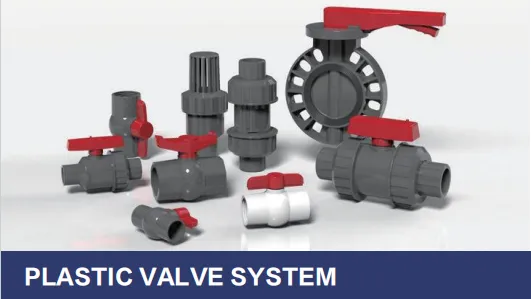
Every time you turn on a faucet, flush a toilet, or step into a shower, you're interacting with a hidden network that's vital to modern life: the plumbing infrastructure that carries water in, out, and around buildings. Behind that simple act of accessing water lies a complex system of pipes, fittings, and valves—components that do more than just move fluid. They protect the quality of the water we drink, bathe in, and use daily. Among these components, plastic valve systems stand out as unsung heroes, quietly ensuring that water remains clean, safe, and free from contamination as it travels through homes, hospitals, schools, and commercial spaces. In this article, we'll explore how plastic valve system solutions, paired with complementary products like PVC DWV pipes and PPR pipe fittings, play a pivotal role in safeguarding water quality, and why choosing the right supplier matters for the health and reliability of any building.
When we think about water quality, our minds often jump to treatment plants, filtration systems, or even the source of the water itself. Rarely do we consider the pipes and valves that form the "veins" of a building's plumbing network. Yet, these components are critical. A faulty valve or a corroded pipe can introduce contaminants, disrupt pressure, or cause leaks—all of which directly impact the safety of the water reaching end-users. Plastic valve systems, in particular, have revolutionized this space. Unlike traditional metal options, modern plastic valves are designed to resist corrosion, minimize chemical leaching, and maintain structural integrity over decades. But their value goes beyond durability; they're engineered to actively preserve water quality by preventing backflow, reducing bacterial growth, and ensuring a tight seal that keeps external pollutants out.
Consider a hospital, where sterile water is a matter of life and death. If a valve fails, allowing wastewater to backflow into the potable water supply, the consequences could be catastrophic. Similarly, in a school, a leaky valve in a drinking fountain might lead to stagnant water, breeding bacteria like Legionella. Plastic valve system solutions address these risks by offering precision control, material stability, and compatibility with a range of plumbing systems. They're not just "parts"—they're part of a holistic approach to public health.
To understand the link between plastic valve systems and water quality, let's break down their role in the water journey. Water enters a building through a main supply line, travels through pipes to various fixtures, and exits via drainage systems. At every step, valves regulate flow, isolate sections for maintenance, and prevent cross-contamination. Here's how plastic valve systems excel in each phase:
Reputable plastic valve system suppliers prioritize materials that meet strict international standards, such as ASTM D2846 for CPVC pipes or DIN standards for PVC fittings. These materials are non-toxic, lead-free, and designed to resist chemical reactions with water. For example, PPR (polypropylene random copolymer) valves and fittings—commonly used in hot and cold water systems—are inert, meaning they won't leach harmful substances into the water, even when exposed to high temperatures. This is especially crucial in residential settings, where families rely on tap water for cooking and drinking.
A small leak might seem trivial, but over time, it can create moist environments where mold and bacteria thrive. Worse, if the leak occurs in a valve connecting potable and non-potable water lines (like a washing machine or irrigation system), it could lead to backflow. Plastic valves mitigate this risk with precision-engineered seals and compression fittings that create a watertight barrier. Many modern plastic valve solutions also feature double O-rings or push-to-connect designs that reduce human error during installation, ensuring a secure fit every time.
Metal valves, over time, can corrode due to mineral-rich water (hard water) or chemical disinfectants like chlorine. Corrosion leads to rust particles in the water, discoloration, and even metallic tastes. Plastic valves, however, are impervious to corrosion. Take PVC DWV (Drain, Waste, Vent) pipes and their accompanying valves, for instance. Used primarily in drainage systems, these components handle wastewater and sewage, which are highly corrosive. PVC DWV pipe solutions are designed to withstand the acidic and alkaline nature of these fluids without degrading, ensuring that harmful byproducts don't seep into surrounding soil or contaminate groundwater.
Plastic valve systems don't work in isolation. They're part of a larger ecosystem of plumbing products, each with a specific role in maintaining water quality. Let's explore three critical products—plastic valve systems, PVC DWV pipes, and PPR pipe fittings—and how they collaborate to ensure safe fluid transport:
| Product Category | Primary Material | Common Applications | Water Quality Benefits | Supplier Solutions Offered |
|---|---|---|---|---|
| Plastic Valve Systems | PVC, CPVC, PPR, PE | Flow control in potable water, irrigation, HVAC, and industrial systems | Corrosion resistance, no chemical leaching, backflow prevention | Custom valve sizing, material selection guidance, installation training |
| PVC DWV Pipes & Fittings | Rigid PVC (Polyvinyl Chloride) | Drainage, waste removal, and venting in residential and commercial buildings | Smooth inner surface reduces clogs; chemical resistance prevents wastewater contamination | Leak-proof joint systems, code-compliant designs, venting solutions for pressure balance |
| PPR Pipe & Fittings | Polypropylene Random Copolymer | Hot and cold water supply lines in homes, hospitals, and hotels | High temperature resistance (up to 95°C), minimal scaling, no bacterial adhesion | Thermal expansion solutions, color-coded pipes for hot/cold differentiation, pressure testing support |
Take PVC DWV pipes, for example. Their smooth inner walls prevent the buildup of debris, which not only reduces clogs but also minimizes the risk of stagnant water where bacteria can multiply. When paired with a plastic gate valve or ball valve, the system ensures wastewater flows efficiently away from the building, never lingering long enough to become a health hazard. Similarly, PPR pipe and fitting solutions are ideal for hot water systems—their heat resistance means they won't warp or degrade when exposed to high temperatures, ensuring that water remains free from plasticizers or other additives that could leach out in extreme conditions.
A high-quality plastic valve or pipe is only as good as the supplier behind it. The best plastic valve system suppliers don't just sell products—they offer solutions tailored to the unique needs of a project. This includes understanding local building codes, assessing environmental conditions (like soil acidity or temperature fluctuations), and recommending materials that align with both performance and sustainability goals. For instance, a PVC DWV pipe supplier operating in a coastal region might suggest UV-resistant pipes to prevent degradation from sunlight, while a PPR pipe and fitting supplier working with a hospital would prioritize Class A fireproof materials to meet safety regulations.
One-stop architectural solution providers take this a step further by integrating plastic valve systems with other building materials, such as wall panels or flooring, ensuring compatibility across the entire project. Imagine a hotel renovation where the plumbing, walls, and even furniture are sourced from a single supplier. This coordination reduces the risk of mismatched components and ensures that every part of the building works together to maintain water quality. For example, using bamboo charcoal board wall panels (known for their moisture resistance) alongside PPR pipes in a bathroom creates a system where both the structure and the plumbing resist mold growth, protecting both the building and the water supply.
To see these solutions in action, let's look at two real-world scenarios where plastic valve systems and complementary products made a measurable difference in water quality:
A large school district in the Middle East was struggling with recurring water quality issues in its older buildings. Tests revealed trace amounts of lead and bacteria in drinking water, traced back to aging galvanized steel pipes and valves. The district partnered with a plastic valve system supplier to replace the entire plumbing network with PPR pipes and plastic ball valves. Within six months, follow-up tests showed a 100% reduction in lead levels and a 92% drop in bacterial counts. The smooth inner surface of the PPR pipes reduced scaling, and the plastic valves eliminated corrosion, ensuring that water remained clean from the main supply to the classroom faucets. Teachers reported fewer absences due to waterborne illnesses, and parents noted a noticeable improvement in water taste.
A major hospital in Southeast Asia needed to upgrade its surgical wing to meet international healthcare standards. A key requirement was a plumbing system that could withstand frequent sanitization with harsh chemicals while maintaining sterile water for surgeries. The project team selected a combination of CPVC pipes (rated for high chemical resistance) and plastic valve systems with EPDM seals (resistant to disinfectants like hydrogen peroxide). The supplier provided custom valve manifolds that allowed for zone isolation, meaning if one section needed maintenance, the entire wing's water supply wouldn't be disrupted. Post-renovation, the hospital saw a 40% reduction in surgical site infections—a direct result of cleaner, more reliable water delivery.
As global water scarcity and quality concerns grow, the role of plastic valve systems will only become more critical. Suppliers are already innovating to meet emerging needs: smart valves with built-in sensors that monitor flow rates and detect leaks in real time, reducing waste and contamination risks. Biodegradable plastic blends are being tested for lower environmental impact, while self-cleaning valve designs aim to minimize bacterial buildup in high-use systems. For example, a leading plastic valve system supplier recently introduced a "no-touch" electronic valve for public restrooms, which not only reduces germ transmission but also adjusts water flow based on usage patterns, conserving resources without compromising safety.
Another trend is the integration of plastic valve systems with green building practices. In net-zero energy homes, for instance, PPR pipes and plastic valves are paired with solar water heaters to maximize efficiency, while PVC DWV systems are designed to collect and reuse greywater for irrigation—all without sacrificing water quality. These innovations that plastic valve solutions are not just about solving today's problems but anticipating tomorrow's.
Water quality is not a luxury—it's a fundamental human right. And while we often take it for granted, the truth is that safe water depends on the integrity of the systems that deliver it. Plastic valve system solutions, when paired with high-quality pipes like PVC DWV and PPR, offer a cost-effective, durable, and health-focused approach to fluid transport. They're the silent guardians that ensure water remains clean from the moment it enters a building until it exits, protecting families, patients, students, and workers alike.
Choosing the right supplier is just as important as choosing the right product. A reputable plastic valve system supplier doesn't just sell parts—they partner with you to design a system that meets your specific needs, complies with local codes, and adapts to future challenges. So the next time you turn on a tap, take a moment to appreciate the engineering that went into that simple act. Behind every drop of safe water is a network of plastic valves, pipes, and fittings working tirelessly to keep you healthy. And that's a legacy worth investing in.
Recommend Products












