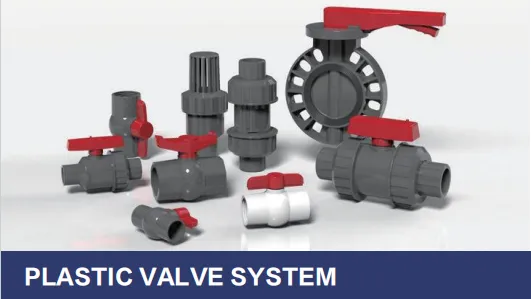
Plastic valves might not be the most glamorous part of a building, but they're the unsung heroes of plumbing systems. They control water flow in everything from residential bathrooms to industrial facilities, ensuring pipes don't burst, pressure stays regulated, and systems run efficiently. For decades, however, these small but critical components have been part of the problem: made from virgin plastics, designed for single use, and rarely recycled. But today's plastic valve system suppliers are changing that. They're no longer just selling "valve systems"—they're selling plastic valve system solutions that integrate sustainability into every detail.
Take, for example, a leading plastic valve system supplier based in the Middle East. Five years ago, their product line was typical: valves made from non-recyclable plastics, packaged in single-use cardboard, with no plan for what happened after installation. Today, 80% of their valves are made from recycled polypropylene, their packaging is 100% biodegradable, and they offer a take-back program for old valves. "We realized that our customers—contractors, architects, developers—weren't just buying a valve," says Ahmed Al-Mansoori, the company's sustainability director. "They were buying peace of mind that their projects were aligned with net-zero goals. So we asked: how can our plastic valve system solutions help them meet those goals?"
The answer lay in three areas: material innovation, design for disassembly, and end-of-life responsibility. Let's break them down.
1. Recycled and Recyclable Materials
Gone are the days when plastic valves were made exclusively from virgin polyethylene or PVC. Modern plastic valve system solutions use post-consumer recycled (PCR) plastics, which reduce reliance on fossil fuels and keep waste out of landfills. For example, a 2-inch ball valve might contain 70% PCR plastic, sourced from recycled water bottles or old pipes. What's more, suppliers are choosing materials that are inherently recyclable, like polypropylene (PP) or high-density polyethylene (HDPE), which can be melted down and reshaped repeatedly without losing quality.
2. Design for Disassembly
Ever tried to take apart a traditional plastic valve? Chances are, it's glued or welded shut, making it impossible to repair or recycle. Circular design changes that. Today's valves are built with snap-fit components, removable O-rings, and standardized parts, so if a seal wears out, you can replace just that seal instead of the entire valve. This not only extends the product's life but also makes recycling easier—when the valve finally reaches the end of its life, workers can disassemble it, sort the plastic components, and send them to a recycler.
3. End-of-Life Take-Back Programs
Even the most recyclable valve is useless if no one collects it. That's why forward-thinking plastic valve system suppliers are launching take-back programs: when a building is renovated or demolished, contractors can return old valves to the supplier, who then cleans, tests, and either refurbishes them for resale or recycles the materials. One European supplier reports that their take-back program has diverted over 500 tons of plastic from landfills in the past three years alone—proving that responsibility doesn't end at the point of sale.