
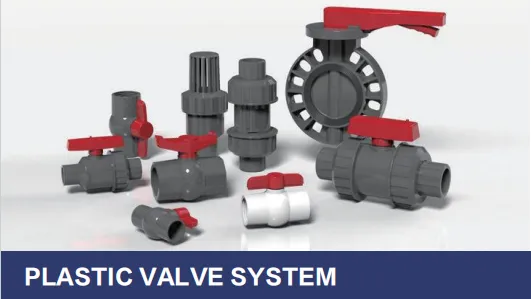
In the bustling world of construction and building design, some components work quietly behind the scenes, yet their impact is undeniable. Plastic valve systems are one such unsung hero—integral to everything from the water that flows through your home's taps to the sterile environments of hospitals and the efficient operations of commercial buildings. As a cornerstone of modern plumbing and infrastructure, these systems blend durability, safety, and sustainability, making them a top choice for architects, contractors, and building owners alike. But what goes into designing a plastic valve system that you can trust? How do standards ensure reliability? And why does partnering with the right supplier matter just as much as the product itself? Let's dive in.
At first glance, plastic valve systems might seem like a simple collection of pipes and knobs. But in reality, they're a carefully engineered network that controls the flow, pressure, and direction of liquids and gases in a building. Think of them as the "nervous system" of a structure—without them, water can't reach showers, wastewater can't drain, and heating or cooling systems can't distribute air efficiently. These systems include valves (the "gates" that open and close), pipes (the "arteries" that transport fluids), and fittings (the "joints" that connect everything securely). Together, they form a seamless unit that must withstand daily use, varying temperatures, and even harsh chemicals.
For those in the construction industry—whether you're a residential building materials supplier working on a new housing development or a contractor retrofitting a hospital—choosing the right plastic valve system is about more than cost. It's about ensuring long-term performance, compliance with safety regulations, and peace of mind for the end-users. That's where design principles and industry standards come into play—they're the guardrails that keep these systems reliable, no matter the application.
The first step in designing a plastic valve system is choosing the right materials. Not all plastics are created equal, and each brings unique strengths to the table. Let's break down some of the most common options and why they matter:
| Material | Key Properties | Primary Applications | Common Standards | Associated Suppliers |
|---|---|---|---|---|
| PVC (Polyvinyl Chloride) | Cost-effective, corrosion-resistant, rigid | Drainage systems (DWV), low-pressure water lines | ASTM D2665, DIN 8061 | PVC DWV pipe supplier |
| UPVC (Unplasticized PVC) | High strength, chemical resistance, UV stable | Drinking water supply, industrial piping | ISO 1452-2, BS EN 1452-2 | UPVC pipe supplier |
| PPR (Polypropylene Random Copolymer) | Heat-resistant (up to 95°C), flexible, lead-free | Hot and cold water systems, residential plumbing | ISO 15874, DIN 8077/8078 | PPR pipe and fitting supplier |
| PEX (Cross-Linked Polyethylene) | Extremely flexible, freeze-resistant, easy to install | Underfloor heating, radiant systems, residential water lines | ASTM F876/F877, DIN 16892/16893 | PEX pipe and fitting supplier |
Each material is tailored to specific needs. For example, PEX is a favorite in residential projects because its flexibility makes it easy to navigate tight spaces, like between wall studs. PPR, on the other hand, shines in hot water systems—think the pipes behind your kitchen sink or shower—thanks to its ability to handle high temperatures without warping. And UPVC? It's a workhorse in industrial settings, where resistance to chemicals and pressure is non-negotiable. A reputable plastic valve system supplier will guide you through these options, ensuring you pick the material that aligns with your project's unique demands.
Imagine turning on a faucet in a high-rise building—you expect water to flow steadily, not sputter or trickle. That's where pressure management comes in. Plastic valve systems must be designed to handle the specific pressure requirements of their application. Residential systems, for instance, typically operate at lower pressures (around 40-80 psi), while commercial buildings like hotels or hospitals may need systems that handle 100 psi or more. Valves are engineered with precise tolerances to regulate this pressure, preventing leaks, bursts, or inefficient flow.
Flow rate is another critical factor. A system designed for a small apartment won't work for a shopping mall with hundreds of restrooms and water fixtures. Designers calculate the expected demand—how many people will use the system, peak usage times—and size the valves and pipes accordingly. This ensures that even during busy periods, there's enough water pressure for everyone, from the top floor of a skyscraper to the basement laundry room.
A plastic valve system is only as strong as its weakest link. That's why compatibility between valves, pipes, and fittings is non-negotiable. For example, if you're using PPR pipe and fittings for a hot water line, the valves must also be PPR-compatible to avoid leaks at the joints. Mismatched materials can lead to chemical reactions, corrosion, or loose connections—all of which spell trouble down the line.
This is where working with a one-stop architectural solution provider becomes invaluable. These suppliers offer coordinated product lines, ensuring that every component—from the valve to the pipe to the fitting—is designed to work together seamlessly. No more guessing if a valve from one brand will fit a pipe from another; everything is tested and matched for optimal performance.
A plastic valve system isn't something you want to replace every few years. That's why durability is a top design priority. Modern plastics are engineered to resist corrosion (unlike metal, which can rust over time), withstand temperature fluctuations, and even repel pests like rodents. For example, UPVC pipes are known for their longevity—many come with a 50-year warranty when installed correctly. In coastal areas, where saltwater can eat away at metal systems, plastic valves and pipes are a lifesaver, offering decades of reliable service with minimal maintenance.
Design principles are important, but they mean little without accountability. That's where industry standards step in. These guidelines—set by organizations like ASTM International, ISO, and DIN—ensure that plastic valve systems meet strict criteria for safety, performance, and quality. For example, ASTM D2846 outlines specifications for CPVC (Chlorinated PVC) pipes and fittings, ensuring they're safe for drinking water and can handle high temperatures. Similarly, ISO 15874 sets standards for PPR systems, covering everything from material composition to pressure testing.
Why does this matter for you? Because compliance with standards is a sign that a product has been rigorously tested. A plastic valve system supplier that adheres to these standards isn't just selling a product—they're selling peace of mind. For instance, in hospitals and schools, where safety is paramount, using valves and pipes that meet Class A fireproof standards (like the class A fireproof CPL inorganic board mentioned in some building material lists) is non-negotiable. Standards ensure that these systems won't contribute to the spread of fire, protecting lives and property.
Regional standards also play a role. In Saudi Arabia, for example, a Saudi Arabia building materials supplier must comply with local regulations that account for the country's unique climate—high temperatures, sand, and humidity. Systems designed for these conditions are more likely to thrive, avoiding issues like warping or cracking in extreme heat.
Plastic valve systems are versatile, adapting to a wide range of applications. Let's explore how they're used in different sectors:
In homes, plastic valve systems manage everything from drinking water to wastewater. PEX pipes, supplied by a PEX pipe and fitting supplier , are popular here because they're flexible enough to snake through walls and floors without the need for multiple joints, reducing the risk of leaks. UPVC pipes, from a trusted UPVC pipe supplier , are often used for drainage, thanks to their ability to handle solid waste and resist clogs. For families, this means consistent water pressure, fewer plumbing emergencies, and lower maintenance costs over time.
Offices, malls, and hotels have unique demands—high water usage, complex HVAC systems, and the need for minimal downtime. Here, PPR systems (from a PPR pipe and fitting supplier ) are a go-to, as they can handle the constant flow of hot and cold water in restrooms, kitchens, and laundry facilities. UPVC pressure piping (like PVC-U SCH40) is also common for irrigation systems in commercial landscaping, ensuring green spaces stay lush without wasting water.
Hospitals and schools require systems that are sterile, durable, and compliant with strict health codes. Plastic valve systems excel here because they're non-porous (preventing bacterial growth) and easy to clean. For example, CPVC pipes, which meet ASTM D2846 standards, are often used in hospitals for medical gas lines and hot water systems, as they're resistant to corrosion and can withstand frequent sanitization. In schools, where safety is a top priority, using lead-free PEX or PPR systems ensures that drinking water remains clean and safe for students.
You could have the best design principles and the strictest standards, but if your supplier cuts corners, your system will suffer. That's why selecting a reliable plastic valve system supplier is just as important as the system itself. Here's what to look for:
A supplier with years of experience understands the nuances of different projects. They'll ask questions like: "Is this for a residential or commercial building?" "Do you need systems that can handle high temperatures?" "Are there local regulations we need to comply with?" This level of insight ensures you get a solution tailored to your needs, not a one-size-fits-all product.
The best suppliers don't just sell valves—they offer a full suite of solutions. Look for a one-stop architectural solution provider that can supply everything from pipes and fittings to specialized products like mcm flexible cladding stone wall panels or bamboo charcoal board wall panels . This saves you time and ensures compatibility across your entire project.
Ask about certifications. Does the supplier's products meet ASTM, ISO, or local standards? Do they conduct third-party testing? A supplier that's transparent about their quality control processes is one you can trust. For example, a PVC DWV pipe supplier that provides test reports for every batch of pipes is showing they stand behind their products.
Installation and maintenance can be tricky, even with the best products. A good supplier offers ongoing support—whether it's helping with installation guidance, troubleshooting issues, or providing replacement parts. This level of service turns a transaction into a partnership, ensuring your system performs long after the sale.
Even the most well-designed plastic valve system needs a little care. Here are some simple tips to keep it running smoothly:
The world of building materials is always evolving, and plastic valve systems are no exception. Today's innovations focus on sustainability and smart technology. For example, some suppliers are developing recyclable plastic pipes, reducing the environmental impact of construction. Others are integrating sensors into valves, allowing for real-time monitoring of flow rates and pressure—helping detect leaks before they become disasters.
As we look to the future, plastic valve systems will continue to play a vital role in creating safer, more efficient, and more sustainable buildings. Whether you're a commercial building materials supplier working on a skyscraper or a homeowner upgrading your plumbing, these systems offer a blend of performance and reliability that's hard to beat.
Plastic valve systems may not be the most glamorous part of construction, but they're undeniably essential. From design principles that prioritize safety and efficiency to industry standards that ensure quality, these systems are built to support the way we live, work, and thrive. And when paired with a trusted supplier—one that offers expertise, quality products, and ongoing support—they become more than just pipes and valves; they become the foundation of a building that stands the test of time.
So the next time you turn on a faucet, flush a toilet, or enjoy a hot shower, take a moment to appreciate the plastic valve system working quietly behind the scenes. It's a small part of your daily life, but it's a big part of what makes modern living possible.
Recommend Products












