
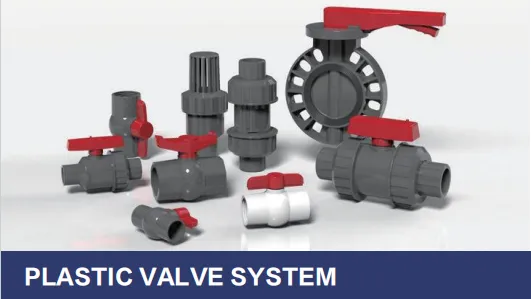
When it comes to building a reliable plumbing or fluid management system, every component matters—but few are as critical as the valves. These unassuming devices control the flow of liquids and gases, ensuring everything from residential water lines to commercial HVAC systems runs smoothly. Yet, one of the most common pitfalls in system design is improper valve sizing. A valve that's too small can cause pressure buildup and inefficiency; one that's too large wastes energy and leads to poor control. For plastic valve systems—widely used for their durability, corrosion resistance, and cost-effectiveness—getting the sizing right is even more nuanced. That's why we've turned to leading plastic valve system suppliers to gather their expert insights. Whether you're a contractor working on a hospital renovation, a developer planning a commercial complex, or a homeowner upgrading your plumbing, this guide will walk you through the art and science of plastic valve system sizing.
At first glance, a valve might seem like a simple on-off switch, but its role in a system is far more complex. Imagine a high-rise apartment building where the water pressure fluctuates wildly every time someone flushes a toilet or turns on a shower. Or a manufacturing plant where a mis-sized valve causes a chemical flow to slow, delaying production and increasing operational costs. These scenarios aren't just inconveniences—they're the direct result of poor sizing decisions.
"We often see projects where contractors choose valves based solely on pipe size, not actual system needs," explains Sarah Martinez, a technical consultant at a leading plastic valve system supplier with over 15 years of experience. "A 2-inch pipe doesn't always call for a 2-inch valve. If the flow rate is low, that valve will create unnecessary pressure drop, leading to higher energy bills and premature wear on other components."
The consequences of undersizing are equally problematic. A valve that's too small for the flow rate will restrict fluid movement, causing turbulence, noise, and increased stress on the valve body and seals. Over time, this can lead to leaks, cracks, or complete valve failure—costly issues that often require system shutdowns for repairs. In critical settings like hospitals or schools, where reliable water and gas flow is essential, these failures can even compromise safety.
Then there's the matter of long-term efficiency. Modern building standards, especially in regions like Saudi Arabia, are increasingly focused on sustainability and energy conservation. A properly sized plastic valve system minimizes pressure loss, allowing pumps and other equipment to operate more efficiently. This not only reduces utility costs but also extends the lifespan of the entire system—a win for both budgets and environmental responsibility.
Sizing a plastic valve isn't a one-size-fits-all process. It requires careful consideration of multiple variables, each interacting with the others to determine the optimal valve type and size. Below, we break down the critical factors that plastic valve system suppliers prioritize when designing solutions for their clients.
| Factor | Description | Why It Matters |
|---|---|---|
| Flow Rate | The volume of fluid passing through the valve per unit time (typically measured in GPM or LPM). | Determines the valve's capacity to handle the system's demand without causing excessive pressure drop. |
| Operating Pressure | The pressure of the fluid upstream (inlet) and downstream (outlet) of the valve. | Impacts valve material selection and design; plastic valves have specific pressure ratings that must align with system needs. |
| Fluid Type | The nature of the fluid (e.g., potable water, wastewater, chemicals, gases). | Different fluids interact with plastic materials differently; corrosive fluids may require specialized valves (e.g., CPVC for acids). |
| Temperature Range | The minimum and maximum temperatures the fluid will reach during operation. | Plastic valves have temperature limits (e.g., PVC is ideal for 40-140°F; CPVC can handle up to 200°F). |
| Valve Function | Whether the valve is for isolation (on/off), regulation (flow control), or check (backflow prevention). | Isolation valves prioritize full flow, while control valves need precise sizing to maintain stable flow rates. |
| Pipe Material and Size | The diameter and material of the pipes connected to the valve (e.g., UPVC, PPR, PVC DWV). | Valve size must be compatible with pipe size to avoid leaks and ensure proper installation. |
Flow rate is the starting point for any sizing calculation. To determine it, you need to know two things: the total demand of the system and the time over which that demand occurs. For example, in a residential building, the flow rate for a bathroom might include the shower (2.5 GPM), toilet (1.6 GPM), and sink (1.0 GPM), totaling 5.1 GPM during peak use. In commercial settings like hotels, this calculation becomes more complex, as multiple rooms and facilities (laundry, kitchens, pools) contribute to the demand.
"We use software tools to model peak flow scenarios," says James Wilson, an engineer at a plastic valve system supplier specializing in commercial projects. "For a hospital, we factor in not just patient rooms but also operating theaters, which have strict flow requirements for sterilization equipment. A 10% margin is always added to account for unexpected spikes—you don't want a valve to fail during a busy morning rush."
Pressure drop—the difference in pressure between the valve's inlet and outlet—is a critical metric. Every valve creates some resistance to flow, and excessive pressure drop means the system's pumps have to work harder to maintain flow. For plastic valves, which are often used in low-to-medium pressure systems (compared to metal valves), this balance is key.
Most plastic valve manufacturers provide pressure drop charts for their products, showing how much pressure is lost at different flow rates. For example, a 1-inch PVC ball valve might have a pressure drop of 5 psi at 10 GPM, while a gate valve of the same size could have a drop of just 2 psi under the same conditions. "Gate valves are better for full flow, minimal pressure drop applications, while ball valves are ideal for quick shutoff in tight spaces," Wilson notes.
Plastic valves are available in a range of materials, each suited to specific fluids. PVC (polyvinyl chloride) is the workhorse for potable water, irrigation, and non-corrosive applications. CPVC (chlorinated PVC) adds chemical resistance, making it suitable for hot water, acids, and industrial chemicals. PEX (cross-linked polyethylene) is flexible and often used in residential plumbing for its freeze resistance. When sizing, it's essential to ensure the valve material can withstand the fluid's properties—including pH, viscosity, and any suspended solids.
"We once had a client using PVC valves in a wastewater treatment plant handling acidic effluent," Martinez recalls. "Within six months, the valves started leaking because the PVC couldn't stand up to the low pH. We switched them to CPVC valves with EPDM seals, and the issues stopped. Material selection and sizing go hand in hand."
Even experienced professionals can fall into sizing traps. To help you steer clear of these errors, we've compiled a list of the most common mistakes reported by plastic valve system suppliers .
A system designed for today's needs might not handle tomorrow's growth. A school adding a new wing, a retail center expanding its parking lot (and irrigation system), or a residential complex converting to high-efficiency appliances—all these changes increase flow demands. "Contractors often size valves based on current usage, not projected growth," says Wilson. "We recommend oversizing by 10-15% for systems expected to expand within 5-10 years. It's cheaper to install a slightly larger valve now than to replace a undersized one later."
Valves installed outdoors face different challenges than those in climate-controlled interiors. UV exposure can degrade plastic over time, so outdoor valves need UV-stabilized materials. In cold regions, frost can cause water to expand, leading to cracked valves—hence the need for freeze-resistant designs or insulation. "We had a project in northern Saudi Arabia where valves were installed in unheated utility rooms," Martinez says. "During winter, the temperature dropped below freezing, and several PVC valves cracked. The solution? Switching to PEX valves, which are more flexible and resistant to freeze damage."
It's a common assumption: if the pipe is 3 inches, the valve should be 3 inches. But pipe size is determined by flow velocity, not just volume. A large pipe with low flow velocity might require a smaller valve to maintain adequate pressure. Conversely, a small pipe with high flow might need a larger valve to prevent restriction. "We use the 'velocity rule' as a starting point," Wilson explains. "For water systems, ideal velocity is 2-5 feet per second (fps). If velocity is too low (below 2 fps), sediment can settle; too high (above 5 fps), and you get noise and erosion. Valves should be sized to keep velocity in that sweet spot."
Not all valves are created equal, and choosing the wrong type can negate even the most careful sizing. For example, a globe valve is excellent for throttling flow but creates high pressure drop, making it a poor choice for full-flow applications. A butterfly valve, on the other hand, offers minimal pressure drop but may not provide precise control at low flow rates. "We always ask clients: 'What does this valve need to do?'" Martinez says. "Isolation, regulation, backflow prevention—each function demands a different valve design, and sizing must align with that purpose."
The best plastic valve system suppliers don't just sell products—they offer plastic valve system solutions tailored to each project's unique needs. This involves a collaborative process, combining technical expertise with hands-on knowledge of local building codes, environmental conditions, and industry standards.
"Our approach starts with a site visit," says Wilson. "We meet with the contractor, architect, and sometimes the end user to understand the system's goals. For a hospital in Riyadh, the priority was infection control—so we recommended CPVC valves with smooth, crevice-free interiors to prevent bacterial growth. For a school, fire safety was key, so we focused on Class A fire-rated materials and valves that integrate with the building's sprinkler system."
Many suppliers also offer in-house engineering support, using advanced software to model flow dynamics and pressure drop. "We use computational fluid dynamics (CFD) software to simulate how a valve will perform under different conditions," Martinez adds. "For a large commercial kitchen, we modeled flow rates during peak hours—breakfast, lunch, dinner—to ensure the valves could handle surges when all dishwashers and sinks are in use. The result was a system with zero pressure issues, even on the busiest days."
Another hallmark of top suppliers is their commitment to education. "We host workshops for contractors and engineers on sizing best practices," Wilson notes. "Too many people rely on outdated methods or rule-of-thumb calculations. By teaching them to use modern tools and consider all variables, we help prevent sizing errors before they happen."
To put these principles into context, let's look at a real-world example: the sizing of plastic valve systems in the Al-Madina Tower, a 35-story commercial complex in Jeddah, Saudi Arabia. The project included offices, retail spaces, and a rooftop restaurant, each with unique fluid management needs.
The challenge? Designing a plumbing system that could handle varying flow rates across floors, maintain consistent water pressure, and meet strict local sustainability standards. The contractor initially specified 2-inch PVC ball valves for all main water lines, assuming they would match the 2-inch pipes. However, during the planning phase, the project's plastic valve system supplier identified potential issues.
"Our CFD analysis showed that the 2-inch valves would cause a pressure drop of 12 psi between the ground floor and the 35th floor—way above the acceptable limit of 5 psi," Wilson explains. "The building's pumps would have to work overtime to compensate, increasing energy costs by an estimated 25% annually."
The solution involved a mix of valve sizes and types. For the main risers, the supplier recommended 2.5-inch CPVC gate valves, which reduced pressure drop to 3 psi. On lower floors with higher flow rates (retail spaces with multiple restrooms), 2-inch ball valves were retained for quick shutoff. For the rooftop restaurant, which required precise temperature control for dishwashers and cooking equipment, PEX valves with built-in pressure regulators were installed to maintain stable hot water flow.
The result? A system that operates at 92% efficiency, with no reported pressure issues in the first two years of operation. "The client was initially hesitant to increase valve sizes—worried about cost overruns," Wilson recalls. "But when we showed them the long-term savings on energy and maintenance, it was a no-brainer. Proper sizing isn't an expense; it's an investment."
As building technology evolves, so too does the science of valve sizing. Here are three trends that plastic valve system suppliers are keeping a close eye on:
The rise of smart buildings is driving demand for valves with built-in sensors and connectivity. These "smart valves" can monitor flow rate, pressure, and temperature in real time, sending data to a central system for analysis. For sizing, this means more dynamic adjustments—valves can automatically resize their openings to maintain optimal flow, even as system conditions change. "Imagine a hotel where valves adjust based on occupancy levels," Martinez says. "If a floor is fully booked, the valve opens wider to increase flow; if rooms are empty, it restricts flow to save energy. This level of adaptability will make traditional static sizing a thing of the past."
3D printing is revolutionizing manufacturing, and plastic valves are no exception. Suppliers are exploring 3D-printed valve components tailored to specific flow requirements. "For unique projects—like a research lab with specialized chemical flows—we can now print valves with custom internal geometries that optimize flow and minimize pressure drop," Wilson notes. "This means sizing isn't limited to standard sizes; we can create a valve that's exactly the right fit for the system."
Sustainability is no longer a buzzword—it's a mandate. Future valve sizing will increasingly consider the entire lifecycle of the product, including recyclability and energy use during manufacturing. "We're developing valves made from recycled plastics that still meet performance standards," Martinez says. "Sizing will also factor in disassembly—designing valves that can be easily taken apart for repair or recycling, reducing waste and lowering replacement costs."
Plastic valve system sizing is a blend of art and science—one that requires careful consideration of flow rates, pressure, fluid properties, and system goals. As we've explored, getting it right can mean the difference between a system that operates efficiently for decades and one plagued by leaks, inefficiencies, and costly repairs. By partnering with knowledgeable plastic valve system suppliers and leveraging their plastic valve system solutions , you can ensure your project is built on a foundation of precision and reliability.
Remember, sizing isn't a one-time task. It's an ongoing process that should be revisited as systems evolve—whether through expansion, changing usage patterns, or technological upgrades. By staying informed, avoiding common mistakes, and embracing new tools and trends, you'll be well-equipped to design plastic valve systems that stand the test of time.
So, the next time you're selecting a valve, take a step back and ask: What does this system really need? With the right approach, you'll not only choose the perfect valve—you'll build a system that's efficient, durable, and ready for whatever the future brings.
Recommend Products












