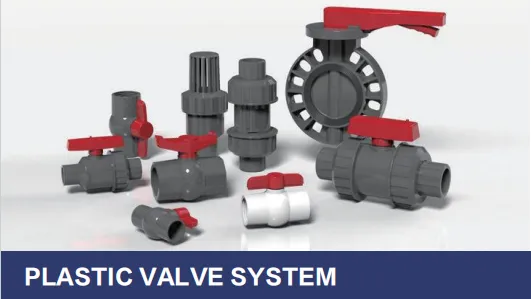
One of the biggest draws of plastic valves is their immunity to rust and corrosion. In coastal areas like Jeddah, where saltwater air can eat away at metal pipes and valves, a
plastic valve system supplier
will emphasize this benefit. Imagine a commercial building's plumbing system: metal valves might start corroding within years, leading to leaks and costly repairs. Plastic valves, on the other hand, stand strong against chemicals, salt, and moisture, making them ideal for industrial facilities, hospitals, and even residential kitchens where cleaning agents are frequently used. This resistance isn't just about longevity—it's about peace of mind for builders and property owners alike.
Let's talk numbers. Plastic valve materials are generally cheaper to produce than metal (think brass or stainless steel), which translates to lower upfront costs for projects. But the savings don't stop there. A
ppr pipe and fitting supplier
will tell you that plastic valves are lighter, which reduces shipping and handling fees. Their lightweight nature also cuts down on labor costs during installation—no need for heavy machinery or extra workers to hoist bulky metal valves into place. Over time, lower maintenance needs (thanks to that corrosion resistance we mentioned) add up, making plastic valves a budget-friendly choice for both small-scale renovations and large construction projects.
Plastic valves aren't a one-size-fits-all solution—and that's a good thing. Whether you're working on a residential bathroom or a chemical processing plant, there's a plastic valve material suited to the task. For example,
pex pipe and fitting solutions
often pair PEX valves with flexible tubing for underfloor heating systems, where their bendability shines. Meanwhile,
pvc-u sch40 pressure piping system supplier
s recommend PVC-U for cold water distribution in schools and offices. This versatility extends to compatibility: plastic valves integrate seamlessly with other plastic components, such as
upvc pipe solutions
or
pph threaded pressure piping system (iram) supplier
products, creating cohesive, leak-proof systems.
Time is money in construction, and plastic valves deliver on both fronts. Unlike metal valves, which often require welding or specialized tools, plastic valves can be installed with simple techniques like solvent cementing (for PVC/CPVC) or crimping (for PEX). A
pex pipe and fitting supplier
might demonstrate how a single worker can connect a PEX valve in minutes, whereas a metal valve would take twice as long. This ease of installation reduces project timelines, minimizes labor errors, and allows teams to focus on other critical tasks—all while ensuring a secure, reliable connection.