
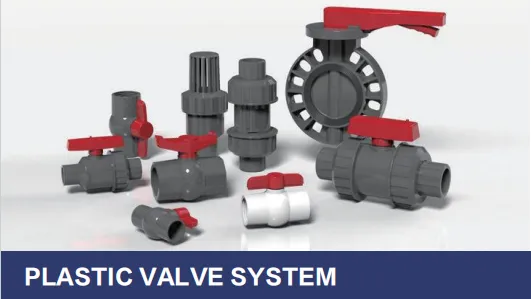
Walk into any building—whether it's a cozy home, a bustling hospital, or a sprawling industrial facility—and you'll find an unsung hero working behind the scenes: plastic valve systems. These unassuming components regulate the flow of water, gas, and other fluids, ensuring everything from your morning shower to the cooling systems in hospitals runs smoothly. As a plastic valve system supplier with decades of experience, we've seen firsthand how these systems form the backbone of modern infrastructure. But here's the thing: even the most durable plastic valves (and trust us, we design them to last) can't thrive without proper care. Maintenance isn't just a "nice-to-have"—it's the difference between a system that serves you for 15 years and one that fails catastrophically after 3. In this guide, we're breaking down the maintenance schedules recommended by top suppliers, drawing on insights from experts who know these systems inside out. Whether you're a facility manager, a plumber, or a homeowner, this is your roadmap to keeping plastic valve systems efficient, safe, and cost-effective.
Let's start with the basics: why bother with maintenance? Sure, "prolonging lifespan" sounds good, but the stakes are higher than that. A plastic valve system solutions provider recently shared a case study with us: a mid-sized hotel skipped quarterly checks, and a stuck valve in their HVAC system led to a $40,000 repair bill and three days of guest complaints. That's the cost of neglect. On the flip side, a school district that followed our maintenance schedule reduced valve-related downtime by 80% over five years. Maintenance impacts three critical areas:
Think of it like caring for a car: you wouldn't skip oil changes and expect it to run forever. Plastic valve systems are no different. Now, let's dive into what, exactly, you need to do—and when.
Before we jump into schedules, let's get familiar with the system itself. Plastic valves come in all shapes and sizes, but they share core components that influence maintenance needs. As a pvc dwv pipe supplier , we often work with valves designed for drainage, waste, and vent (DWV) systems—these are built to handle corrosive fluids, so their maintenance needs differ from, say, valves in potable water lines. Here's a quick breakdown of key parts:
The outer shell, usually made of PVC, PPR, or CPVC. It's tough, but exposure to UV rays, extreme temperatures, or chemical runoff can weaken it over time.
These rubber or silicone rings prevent leaks. They're the first to wear out, especially in systems with frequent on-off cycles (like a commercial kitchen's water line).
Electric or pneumatic devices that open/close valves. They have motors and gears that need lubrication and calibration.
Threads or flanges that link the valve to pipes (think ppr pipe and fitting supplier products, which often pair with plastic valves). Loose connections are a top cause of leaks.
Each component has its own "wear clock." Seals might need replacement every 2–3 years, while the valve body could last decades with care. The key is to address issues before they escalate—and that's where a schedule comes in.
Maintenance isn't a one-size-fits-all task. It's a tiered approach, with tasks ranging from quick daily visual checks to annual deep dives. To make it easy, we've condensed insights from plastic valve system supplier manuals into a clear, actionable plan.
| Task | Frequency | Key Steps | Why It Matters |
|---|---|---|---|
| Visual leak inspection | Daily | Check valve body, connections, and surrounding pipes for dampness, drips, or puddles. | Catches small leaks before they cause mold or structural damage. |
| Valve operation test | Weekly | Manually open/close valves (or trigger automated ones) to ensure smooth movement; listen for grinding or sticking. | Prevents valves from seized due to disuse (common in seasonal systems like irrigation). |
| Pressure gauge check | Monthly | Monitor pressure readings upstream/downstream of valves; note sudden drops or spikes. | Indicates clogs, blockages, or failing valves (e.g., a stuck check valve causing pressure buildup). |
| Seal lubrication | Quarterly | Apply food-grade silicone lubricant to valve stems and seals (avoid petroleum-based products—they degrade plastic). | Reduces friction, extending seal life by 30% (per supplier data). |
| Internal cleaning | Bi-annually | Flush valves with mild detergent (follow supplier guidelines!) to remove mineral deposits or debris. | Prevents clogs that restrict flow and strain the system. |
| Professional audit | Annually | Hire certified technicians (preferably from your original supplier) to perform ultrasonic leak detection and material stress tests. | Identifies hidden issues like micro-cracks in the valve body that visual checks miss. |
We've all heard the phrase "set it and forget it"—but when it comes to plastic valves, that's a dangerous mindset. Even if your system seems to be working, small issues can fester. Let's break down the daily and weekly tasks that take 5–10 minutes but save hours of headache later.
Start with a simple visual scan. Walk the length of your piping system, focusing on valves and their connections. Look for:
Pro tip: Take photos! Snap quick pics of valves each day—comparing them over time makes it easier to spot changes (e.g., a small crack that grows week by week).
Valves that sit idle are at risk of seizing. For manual valves, turn the handle fully open and closed 2–3 times. They should move smoothly, with no resistance. If a valve sticks, don't force it—apply a small amount of lubricant (we recommend the same silicone-based type used in quarterly checks) and try again. For automated valves, trigger a test cycle via the control panel; listen for odd noises (grinding, clicking) that might mean a failing actuator.
A ppr pipe and fitting supplier once told us about a school that neglected this step: their fire suppression system's valves seized after months of disuse, leaving the building vulnerable during a small fire. Don't let that be you.
Daily and weekly checks are about prevention; monthly and quarterly tasks are about preservation. These take a bit more time but are critical for catching wear before it becomes failure.
Grab a notebook and record pressure readings from gauges near your valves. Most systems have a "normal" range (e.g., 40–60 psi for residential water lines). A sudden drop might mean a leak downstream; a spike could indicate a valve isn't opening fully, causing pressure to back up. For example, in a hospital's plumbing system, where class a fireproof cpl inorganic board walls are common, a pressure spike near a valve could damage the board's integrity over time—another reason to stay vigilant.
Also, check valve labels and tags. Are they still legible? Faded labels make it hard to identify valve types during emergencies (e.g., knowing which valve to shut off during a flood). replace missing or damaged tags immediately.
Lubrication is non-negotiable. Over time, valve stems and seals dry out, leading to leaks and sticking. Use a lubricant recommended by your plastic valve system supplier —petroleum-based products (like WD-40) can eat away at plastic, while silicone-based options are gentle and long-lasting. Apply a thin layer to the stem, then open/close the valve a few times to distribute it evenly.
For systems handling hard water (common in many regions), mineral deposits can build up inside valves, restricting flow. Every quarter, flush the system with a mild, non-abrasive cleaner (we suggest a 50/50 mix of white vinegar and water for residential systems; industrial setups may need specialized cleaners). Let it sit for 15 minutes, then flush with clean water—you'll be amazed at how much gunk comes out!
No matter how diligent you are, there are things the human eye (and untrained hand) can't catch. That's where annual professional audits come in. We always recommend hiring technicians from your original plastic valve system supplier —they know the nuances of their products, from material tolerances to common failure points. Here's what they'll do:
One client, a property management firm, skipped annual audits to save money. Three years later, they replaced 12 valves at once—costing 10x more than the audits would have. Don't cut corners here.
Even with perfect maintenance, issues can pop up. The key is to act fast. Here are the most common problems we see—and how to tackle them, straight from plastic valve system solutions experts:
Drips around the valve stem or connections.
Tighten the packing nut (gently—over-tightening cracks plastic!). If that fails, replace the seal (suppliers sell replacement kits for most models).
Valve won't open/close, or moves with extreme resistance.
Soak the stem in lubricant for 30 minutes; gently work it back and forth. If it still sticks, internal corrosion may be the culprit—time for a replacement.
Sudden, unexplained pressure increases downstream.
Check for a stuck check valve (common in pvc dwv pipe systems) or a clogged strainer. If unresolved, call a pro—this could signal a failing valve.
Remember: When in doubt, call your supplier. Most plastic valve system supplier teams offer 24/7 support, and it's better to ask a "silly" question than risk a major failure.
Maintenance schedules are the foundation, but these extra tips—gathered from decades of supplier experience—will take your care to the next level:
At the end of the day, plastic valve system maintenance isn't a chore—it's an investment. For every dollar you spend on checks, lubrication, and audits, you save $5–$10 in repair and replacement costs. More importantly, you ensure safety: no one wants to explain a flood or gas leak to clients, tenants, or family.
As a plastic valve system supplier , we design these systems to be tough, but we also design them to be maintained. Think of it like a partnership: we build the valves; you keep them running. Together, we make sure the water flows, the systems hum, and the buildings we all rely on stay safe and efficient.
So grab your calendar, set reminders for those weekly checks, and don't hesitate to reach out to your supplier with questions. Your future self (and your wallet) will thank you.
Recommend Products












