
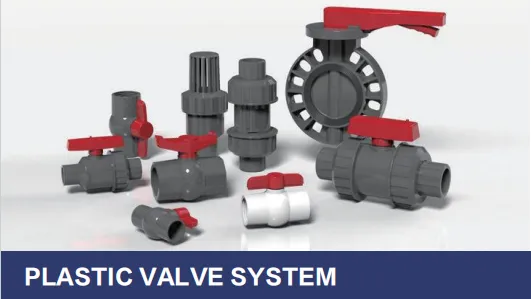
In the quiet hum of residential homes, the bustling corridors of hospitals, and the high-stakes operations of industrial plants, plastic valve systems work behind the scenes to control the flow of water, chemicals, and gases. These unassuming components are the unsung heroes of modern infrastructure—until a leak occurs. A single drip can escalate into a cascade of problems: water-damaged walls, skyrocketing utility bills, disrupted workflows, and even health hazards like mold growth. For property owners, facility managers, and contractors, understanding why plastic valve systems leak and how to prevent these issues is not just about saving money—it's about protecting the spaces where people live, work, and thrive. In this guide, we'll dive into the root causes of leaks, explore their far-reaching impacts, and highlight how leading plastic valve system supplier and industry experts are developing innovative plastic valve system solutions to keep systems running smoothly.
Before we tackle leaks, let's first clarify what plastic valve systems are and why they've become a staple in construction and infrastructure. Unlike traditional metal valves, plastic valves are crafted from durable polymers like polyvinyl chloride (PVC), unplasticized polyvinyl chloride (UPVC), chlorinated polyvinyl chloride (CPVC), and polypropylene (PP). These materials offer a winning combination of benefits: resistance to corrosion, lightweight design for easy installation, cost-effectiveness, and versatility across applications. From residential plumbing to large-scale commercial projects, plastic valves regulate water flow in heating systems, manage drainage in industrial facilities, and control chemical transfer in manufacturing plants.
A plastic valve system supplier doesn't just sell "valves in a box"—they provide tailored solutions designed to meet specific project needs. For example, a hospital might require chemical-resistant CPVC valves for medical gas lines, while a residential developer could opt for UPVC valves (often sourced from a trusted upvc pipe supplier ) for cost-effective water distribution. These systems are integral to the broader network of pipes and fittings, which is why collaboration with a reliable pipes fittings supplier is critical to ensuring compatibility and performance.
Leaking plastic valves are often dismissed as a minor inconvenience, but their true cost extends far beyond a puddle on the floor. Let's break down the consequences:
A slow leak from a plastic valve can waste hundreds of gallons of water monthly. For a commercial building like a hotel or office complex, this translates to skyrocketing utility bills—easily adding thousands of dollars to annual expenses. Worse, if the leak goes undetected for months, the cost of repairs (replacing drywall, fixing damaged flooring, or remediating mold) can spiral into the tens of thousands. In industrial settings, leaks can halt production lines, leading to downtime that costs businesses $1,000 or more per hour.
Stagnant water from leaks creates a breeding ground for mold, mildew, and bacteria like Legionella. In healthcare facilities, this poses a direct threat to patients with compromised immune systems. Even in homes, mold spores can trigger allergies and respiratory issues. For industrial plants handling chemicals, a leaking valve could release hazardous substances, endangering workers and violating environmental regulations.
Water seeping into walls, ceilings, and foundations weakens structural integrity over time. In extreme cases, this can lead to cracks, rot, and even building collapse. For example, a property manager in Riyadh once discovered a leaking plastic valve in a commercial high-rise that had corroded the steel reinforcement in a concrete slab—requiring a $200,000 repair to prevent structural failure.
Leaks rarely happen without reason. They're often the result of a chain of events—from manufacturing to installation to daily use. Let's explore the most frequent culprits:
The foundation of a reliable valve is its manufacturing process. Even minor flaws can turn into major leaks down the line. Common defects include thin or uneven wall thickness, improperly molded seals, and weak joint connections. These issues often stem from cutting corners: using recycled or low-grade plastic resin, skipping quality control checks, or rushing production to meet demand. Unfortunately, such defects may not surface until months after installation, leaving contractors and property owners to deal with the fallout. Reputable plastic valve system supplier , however, prioritize quality from the start. They invest in advanced molding technology, conduct rigorous pressure and durability tests, and adhere to international standards like ASTM D2466 (for PVC valves) and DIN 8062 (for UPVC fittings). By partnering with a supplier that values precision, you drastically reduce the risk of manufacturing-related leaks.
Even the highest-quality valve can fail if installed incorrectly. One of the most common mistakes is over-tightening or under-tightening connections. Over-tightening can crack the valve body or distort the seal, while under-tightening leaves gaps for water to escape. Misalignment is another culprit: if the valve isn't properly aligned with the pipe, stress builds up over time, leading to leaks at the joints. Using the wrong tools—like adjustable wrenches that scratch or damage plastic surfaces—can also compromise the valve's integrity. This is where collaboration with a knowledgeable pipes fittings supplier becomes invaluable. They provide detailed installation guides, train contractors on best practices, and ensure that valves and fittings are compatible (e.g., matching thread types and pressure ratings). For example, a upvc pipe supplier might recommend specific torque settings for UPVC valves to prevent cracking during installation.
Plastic is durable, but it's not invincible. Over time, exposure to harsh conditions can break down the material's structure:
Like any mechanical component, valves experience wear and tear with use. Seals and gaskets dry out and harden over time, especially in low-use systems (e.g., a guest bathroom in a hotel). Moving parts like handles and stems can loosen or corrode, leading to improper closure. Even regular maintenance—like lubricating moving parts or replacing worn seals—often falls by the wayside, turning small issues into big leaks. A survey by the Plumbing-Heating-Cooling Contractors Association found that 60% of valve leaks in commercial buildings could have been prevented with routine maintenance.
Valves installed underground or in areas with unstable soil face unique challenges. Soil movement (from earthquakes, construction, or tree root growth) can bend or twist pipes and valves, creating stress fractures. Pressure surges—sudden spikes in water pressure caused by pump malfunctions or rapid valve closure—can also damage valve internals. In coastal regions, saltwater corrosion is a threat, even for plastic valves, as salt can penetrate microscopic cracks and accelerate degradation.
| Cause of Leak | Key Indicators | Immediate Response | Long-Term Prevention |
|---|---|---|---|
| Manufacturing Defects | Visible cracks, uneven seals, leaks at joints (early use) | Shut off water supply; replace with a certified valve | Source valves from suppliers with ISO 9001 certification |
| Installation Errors | Leaking at connections, difficulty turning handle | Re-tighten with proper torque; realign if misaligned | Train installers on manufacturer guidelines; use torque wrenches |
| Chemical Degradation | Discoloration, softening, or brittleness of plastic | Isolate the valve; switch to chemical-resistant material (e.g., CPVC) | Consult supplier for chemical compatibility charts |
| Wear and Tear | Dripping from valve stem, slow closure | replace seals/gaskets; lubricate moving parts | Implement quarterly maintenance checks |
| Pressure Surges | Sudden leaks after pump startup or valve closure | Install pressure regulators; repair surge cause | Use surge-resistant valves; monitor pressure regularly |
The good news? Leaks are preventable. Today's plastic valve system supplier are not just selling products—they're offering comprehensive plastic valve system solutions that address every stage of a valve's lifecycle, from design to disposal. Here's how they're leading the charge:
Top suppliers prioritize material science and engineering to create valves that resist leaks. They use virgin plastic resins (not recycled) for consistent strength, reinforce critical areas like valve bodies and seals with fiberglass or metal inserts, and design robust connection systems (e.g., socket welds, threaded ends) that minimize leakage points. For example, one leading plastic valve system supplier developed a proprietary seal technology that maintains flexibility even after 10 years of use, reducing the risk of drying or cracking. They also conduct rigorous testing: valves are subjected to pressure tests (up to 150% of rated pressure), temperature cycling (-20°C to 80°C), and chemical immersion to ensure they meet or exceed industry standards.
To reduce installation errors, suppliers are designing valves with user-friendly features. Visual indicators show proper torque levels, color-coded components ensure compatibility with pipes (e.g., blue for cold water, red for hot), and pre-lubricated seals eliminate the need for messy on-site lubrication. Some even offer "quick-connect" valves that snap into place without tools, reducing installation time by up to 50%. A pipes fittings supplier might also provide compatibility charts, ensuring that valves, pipes, and fittings work together seamlessly—no more guessing if a 2-inch UPVC valve will fit a 2-inch UPVC pipe from another brand.
Material innovation is key to combating degradation. Suppliers now offer:
The future of leak prevention is smart technology. Leading suppliers now offer "smart valves" equipped with sensors that monitor pressure, temperature, and flow rates in real time. These sensors send alerts to a mobile app or central dashboard if anomalies are detected (e.g., a sudden drop in pressure indicating a leak). Some systems even automatically shut off the valve to prevent further damage. For example, a hospital in Dubai installed smart valves in its critical care units, reducing leak response time from hours to minutes. Suppliers also provide maintenance kits—including replacement seals, lubricants, and cleaning tools—along with digital maintenance schedules to keep systems in top shape.
A truly reliable plastic valve system supplier doesn't disappear after the sale. They offer comprehensive after-sales support: technical hotlines staffed by engineers, on-site troubleshooting, and extended warranties (some up to 10 years) that cover both parts and labor. For large projects, they may even assign a dedicated account manager to oversee installation and address issues promptly. This level of support is invaluable—especially when dealing with complex systems like hospital plumbing or industrial chemical processing lines.
To illustrate the impact of choosing the right solutions, let's look at a real-world example. A 300-room hotel in Jeddah was struggling with recurring leaks in its guest bathroom valves. Over six months, maintenance teams replaced 15 valves, but leaks persisted, leading to guest complaints, water damage, and a $12,000 increase in monthly water bills. Frustrated, the hotel's facilities manager reached out to a leading plastic valve system supplier for help.
The supplier conducted a thorough inspection and identified two root causes: 1) The original valves were made from low-grade PVC, which degraded quickly when exposed to the hotel's chlorinated hot water. 2) Contractors had used pipe dope (a sealing compound) incompatible with the valve material, causing the seals to deteriorate. The supplier recommended upgrading to CPVC valves (resistant to high temperatures and chlorine) and provided training for the hotel's maintenance team on proper installation (including using compatible sealants and torque tools). They also installed smart leak detectors on the main water lines to monitor for future issues.
The result? In the 18 months following the upgrade, the hotel experienced zero valve leaks. Water bills returned to normal, guest complaints dropped by 90%, and the hotel saved over $80,000 in repair and utility costs. As the facilities manager put it: "We weren't just buying valves—we were buying peace of mind."
Preventing leaks starts with selecting the right supplier. Here are key factors to consider:
Plastic valve system leaks are a common problem, but they're not unavoidable. By understanding the causes—from manufacturing defects to installation errors—and investing in quality plastic valve system solutions from reputable suppliers, you can protect your property, save money, and ensure the longevity of your plumbing and infrastructure systems. Remember, a valve is more than just a component—it's a critical link in the chain that keeps water flowing safely and efficiently. By partnering with a plastic valve system supplier that prioritizes quality, innovation, and support, you're not just preventing leaks—you're building a foundation of reliability for the spaces that matter most.
Recommend Products












