
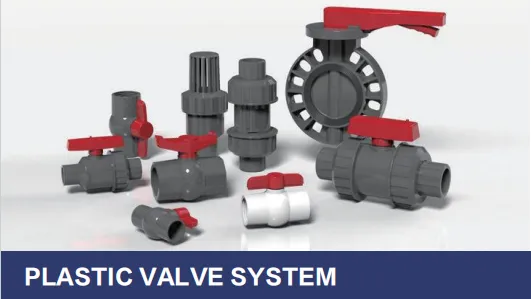
In the world of construction and infrastructure, plastic valve systems are the unsung heroes that keep water flowing, gases contained, and industrial processes running smoothly. From residential plumbing to large-scale commercial projects, these systems form the circulatory system of modern buildings—quietly working behind walls, under floors, and within machinery. Yet, for all their reliability, plastic valve systems are only as effective as their installation. Even a small oversight during setup can turn a durable, long-lasting system into a source of leaks, inefficiencies, and costly repairs. As a plastic valve system supplier with decades of experience, we've seen firsthand how avoidable mistakes derail projects, strain budgets, and compromise safety. In this article, we'll pull back the curtain on the most common installation errors, share insights from seasoned suppliers, and provide actionable advice to ensure your next project stands the test of time.
Before diving into mistakes, let's ground ourselves in why plastic valve systems deserve such careful attention. Unlike metal valves, plastic options (think UPVC, PPR, and CPVC) offer unique advantages: they're lightweight, corrosion-resistant, cost-effective, and easy to handle. These traits make them ideal for everything from residential DWV (Drain-Waste-Vent) systems to high-pressure industrial applications. But here's the catch: plastic is also more sensitive to improper handling. A cracked fitting, a misaligned joint, or a valve tightened too aggressively can compromise the entire system. The consequences? Water damage to walls and floors, mold growth, system shutdowns, and even safety hazards in critical settings like hospitals or schools. For contractors, installers, and project managers, avoiding these pitfalls isn't just about saving time—it's about protecting reputations and ensuring the spaces we build are safe, functional, and built to last.
Over the years, our team at [Supplier Name] has fielded countless calls from frustrated clients dealing with post-installation issues. Time and again, the root cause traces back to one of a handful of preventable mistakes. Below, we break down these errors, why they happen, and the real-world impact they have.
One of the most frequent missteps we encounter is improper material selection. It's easy to assume all plastic pipes and valves are interchangeable, but nothing could be further from the truth. For example, a PVC DWV pipe supplier will emphasize that DWV pipes are designed for gravity-fed drainage systems, not pressurized water lines. Using them in a high-pressure application is a recipe for disaster. Similarly, UPVC pipes (common in cold-water systems) can become brittle in hot environments, while PPR pipes (used for hot and cold water) may not withstand the chemical exposure of industrial fluids. Yet, installers often reach for the most readily available material or prioritize cost over compatibility—leading to premature failure.
Real Consequence: A hotel construction project in Riyadh once used standard UPVC pipes in a hot water circulation system, assuming they'd "hold up." Within six months, the pipes softened under constant heat, causing joints to leak. The result? Mold growth in wall cavities, $40,000 in repairs, and guest complaints that damaged the hotel's opening reputation. The fix? Replacing the entire system with PPR pipes—a solution the PPR pipe and fitting supplier had recommended during the planning phase.
Size matters—especially when it comes to plastic valve systems. An undersized valve or pipe restricts flow, increasing pressure and straining the system. An oversized one leads to slow flow, water hammer (loud banging in pipes), and inefficient operation. You might think, "Why not just go bigger to avoid issues?" But oversizing wastes material, increases costs, and can cause problems like sediment buildup in low-flow areas. The root cause here is often a lack of proper hydraulic calculations. Installers may estimate pipe size based on "what worked last time" instead of engineering specs, or they may overlook that valves themselves introduce pressure drops that need to be accounted for.
A UPVC pipe supplier we partner with in Jeddah notes, "We once supplied 2-inch UPVC pipes for a residential complex's main water line, but the installer used 1.5-inch valves downstream. The restricted flow caused frequent pressure surges, leading to valve failures. The client blamed the pipes, but the issue was mismatched sizing."
For solvent-welded plastic systems (like UPVC), the joint is the system's weakest link—and the most often botched. Rushing the preparation steps is a cardinal sin here. We're talking about skipping surface cleaning (leaving dirt, oil, or moisture on the pipe), applying too little or too much solvent cement, or not letting the joint set long enough before testing. Even a tiny speck of grease on the pipe can prevent the cement from bonding, leading to slow leaks that take months to detect. In colder climates, installers sometimes ignore temperature guidelines: solvent cement works best between 40°F and 100°F; below that, curing times double, and the bond weakens.
Expert Insight: "I've seen installers apply cement with a rag they just used to wipe their hands—contaminating the joint before it even sets," says a technical advisor at a leading PVC DWV pipe supplier . "The fix is simple: use a clean, lint-free cloth to wipe the pipe and fitting, apply cement evenly with the included applicator (not a brush from a different product), and wait the full curing time specified by the manufacturer. It adds 10 minutes to the job, but it saves years of headaches."
Every plastic valve and pipe comes with a pressure rating—a maximum psi (pounds per square inch) it can safely handle. Ignore this number, and you're asking for failure. For example, CPVC SCH80 high pressure piping system supplier s explicitly state that their products are rated for 200+ psi at 73°F, making them ideal for commercial HVAC or industrial processes. But use that same valve in a system pushing 300 psi, and you'll likely see cracks or blowouts. The problem? Installers often assume "high pressure" is a vague term, or they rely on outdated specs. In one case, a factory in Riyadh upgraded its production line without checking if the existing CPVC valves could handle the new pressure. The result: a valve failure that spilled chemicals, shutting down operations for three days.
Plastic pipes are lightweight, but that doesn't mean they can be left unsupported. Without proper brackets, straps, or hangers, pipes sag over time, putting stress on joints and valves. This is especially true for long horizontal runs or vertical drops. A sagging pipe can cause water to pool, leading to clogs, corrosion (yes, even in plastic!), and joint separation. Installers often skimp on supports to save time, using fewer hangers than recommended or placing them too far apart. A PPR pipe and fitting supplier we work with recounts a residential project where installers used one hanger every 8 feet instead of the recommended 4 feet for PPR hot water lines. Within a year, the pipes sagged, causing the elbows to crack and leak into the ceiling below.
Valves have threaded connections, and it's tempting to crank them tight to "ensure a seal." But plastic threads are delicate—over-tightening strips them, cracks the valve body, or distorts the O-ring. The result? A leak that's worse than if the valve was left slightly loose. This mistake is common among installers used to metal valves, which can handle more torque. As one plastic valve system supplier puts it: "Think of plastic valves like a jar lid—snug is enough. If you're grunting to tighten it, you've gone too far. Most manufacturers provide torque charts; follow them."
After installation, it's critical to flush the system before putting it into full use. Debris like shavings from cutting pipes, bits of solvent cement, or even dirt can get trapped in valves, blocking flow or damaging internal components. Yet, installers often skip this step, assuming the first use will "flush it out." A UPVC pipe supplier in Dubai once had a client call about a mysterious valve blockage in a new school's plumbing. When we inspected, we found a small piece of plastic pipe left inside during installation—lodged in the valve, preventing it from fully opening. The fix? Tearing out part of the wall to replace the valve, all because a five-minute flush was overlooked.
Now that we've covered the mistakes, let's turn to solutions. The good news is that avoiding these errors doesn't require reinventing the wheel—just a commitment to best practices and a willingness to learn from those who've seen it all. Below, we've compiled advice from plastic valve system supplier s, UPVC pipe supplier s, and other industry experts to help you install with confidence.
Not all suppliers are created equal. The best plastic valve system supplier isn't just a vendor—they're a partner. Look for suppliers who provide technical data sheets, installation guides, and on-call support. For example, when working with a CPVC SCH80 high pressure piping system supplier , ask if they offer free training for your team or can send a technician to review your project specs. A supplier invested in your success will help you avoid material mismatches, sizing errors, and pressure-related mistakes before they happen.
UPVC, PPR, and CPVC may all be "plastic," but their installation requirements differ. For instance, PPR pipes use heat fusion, while UPVC relies on solvent cement. A team trained on metal pipes won't automatically know these nuances. Invest in training sessions with your supplier—many offer free workshops. As one PPR pipe and fitting supplier advises: "A half-day training on heat fusion temperatures and tool calibration can reduce joint failures by 80%."
You wouldn't use a wrench to hammer a nail—so don't use makeshift tools for plastic valve installation. Invest in proper cutters (to avoid jagged pipe edges), calibrated torque wrenches (for valve connections), and fusion machines (for PPR). A PVC DWV pipe supplier notes: "We once had a client complain about leaky joints, only to find they were using a hacksaw instead of a ratchet cutter. Hacksaws leave rough edges that prevent proper cement bonding. Quality tools are a small upfront cost that pays for itself in fewer callbacks."
Keep records of material batches, pressure tests, and torque settings. If a leak occurs later, these documents will help pinpoint the cause. For example, if a valve fails, you can check if it was from the same batch that passed quality control at the supplier. Documentation also protects you in disputes—say, if a client claims the system was installed incorrectly. As a plastic valve system supplier , we always recommend taking photos of joints before covering walls—they're invaluable if issues arise down the line.
| Pipe/Valve Type | Common Applications | Top Installation Mistake | Supplier's Fix |
|---|---|---|---|
| UPVC (from UPVC pipe supplier ) | Cold water lines, irrigation, DWV systems | Using solvent cement on dirty or wet surfaces | Clean pipes with isopropyl alcohol; dry completely before cementing. Use cement within 15 minutes of opening. |
| PPR (from PPR pipe and fitting supplier ) | Hot/cold water systems, residential plumbing | Inconsistent heat fusion temperature | Calibrate fusion machines daily; follow the 3-second rule (heat, insert, hold for 3 seconds before releasing). |
| CPVC SCH80 (from CPVC SCH80 high pressure piping system supplier ) | High-pressure industrial lines, HVAC, chemical transport | Ignoring temperature-pressure derating | Check derating charts—pressure ratings drop as temperature rises. For 180°F water, use a higher-rated valve than for 70°F water. |
| PVC DWV (from PVC DWV pipe supplier ) | Drainage, waste, vent systems | Installing with too few slope (less than 1/4 inch per foot) | Use a level to ensure proper slope; this prevents water pooling and clogs. |
To bring these lessons to life, let's look at a recent success story. A hospital in Riyadh was renovating its pediatric wing and needed a reliable plumbing system that could withstand frequent cleaning and meet strict health codes. The contractor initially planned to use standard UPVC valves, but their plastic valve system supplier flagged a problem: UPVC isn't recommended for hospitals due to its lower chemical resistance. Instead, the supplier suggested Class A fireproof CPL inorganic board (though not a valve, this highlights supplier collaboration) and recommended CPVC SCH80 high pressure piping system for the water lines, paired with lead-free plastic valves. The supplier also provided on-site training for the installation team on solvent cement best practices and pressure testing. Six months later, the wing opened with zero leaks, and the hospital reported lower maintenance costs than in its older metal-piped wings. This story underscores a simple truth: when installers and suppliers work together, mistakes become rare, and success becomes inevitable.
Plastic valve systems are a cornerstone of modern construction, offering durability, efficiency, and versatility—when installed correctly. The mistakes we've discussed here aren't the result of incompetence; they're often the product of rushing, assumptions, or a lack of supplier partnership. By prioritizing material compatibility, proper sizing, joint preparation, and training, you can avoid the pitfalls that plague so many projects. Remember, your plastic valve system supplier is more than a source of products—they're a wealth of knowledge. Lean on their expertise, ask questions, and never hesitate to seek guidance. After all, the goal isn't just to install a system—it's to build one that serves your clients, stands the test of time, and makes you proud. With the right approach, your next project won't just meet expectations; it'll exceed them.
Recommend Products












