
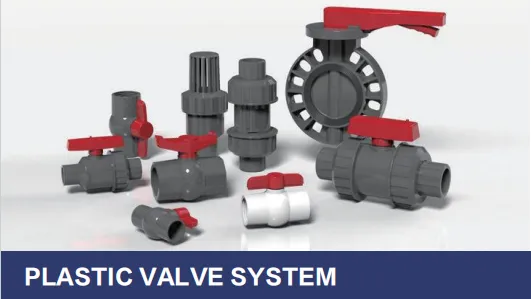
Hey there! Today we're diving deep into plastic valve systems - those workhorses of modern residential and commercial building materials that make our plumbing, irrigation, and industrial processes flow smoothly. You're probably familiar with the basic valves themselves, but what really brings these systems to life? Their accessories! These components are like the sidekicks that make our valve systems smarter, safer, and more efficient.
Think of your valve as the quarterback. Without a solid offensive line (the accessories), that QB isn't making it very far. These components handle everything from precise flow control and pressure regulation to emergency shutdowns and maintenance protection. Whether you're managing water flow in your garden sprinklers or controlling chemical processes in a facility, understanding these accessories is the difference between "good enough" and "running like a dream."
We'll walk through the 15 essential plastic valve accessories, cutting through the technical jargon and explaining them in practical, everyday language. You'll discover how they work together to create efficient, leak-free systems that stand the test of time without breaking the bank.
Globe valves are your reliable flow managers that handle starting, stopping, and adjusting liquid movement in pipes. Picture these as your precise volume controllers – turning them is like carefully pouring a drink rather than dumping the whole pitcher. The plastic versions bring corrosion resistance to the table, making them perfect for water or acidic fluids that would chew through metal.
Where you'll find them: Anywhere precise flow matters – think home plumbing systems, irrigation controllers, and aquarium filtration setups.
Why they shine: They've got better flow control than their gate valve cousins, plus that plastic construction makes them lightweight and budget-friendly.
Watch out: They create noticeable pressure drops, so they're not ideal for full-flow situations like fire suppression systems.
These are your system's bouncers. They allow flow in one direction only and physically block anything trying to backtrack. Plastic check valves excel in handling low-pressure scenarios where metal versions would feel like using a sledgehammer to crack a nut.
You'll see them working hard behind your dishwasher, keeping garden irrigation systems flowing right, and preventing chemical tank cross-contamination.
Their superpower: Completely silent operation – no annoying clicking sounds when water changes direction!
Installation tip: Make sure they're positioned correctly – installed upside down and you've defeated their whole purpose.
Meet your pressure emergency team. When pressure climbs dangerously high in pipes or tanks, these valves automatically open to bleed off excess pressure. Plastic models are the go-to choice when your fluid would corrode metal or when weight matters.
Crucial for safety: You'll find these as vital parts of compressed air systems, chemical storage setups, and pressurized cooling circuits.
What makes them great: Designed to fail-safe in open position during emergencies – no power or human intervention needed.
Maintenance note: Test them regularly – a stuck valve defeats the whole safety purpose.
These are the "robotic hands" that open and close valves on command. Plastic housings protect the electric motors from harsh environments. With different voltage options, they plug right into your control systems.
You'll love them in: Irrigation programs that follow dawn-to-dusk schedules, brewery temperature control, or when valves are positioned in hard-to-reach spots.
Their standout feature: Precise positioning control – they can hold valves partially open at exact positions.
Consideration: Need backup power for outage situations unless you're okay with them freezing in position.
Air-powered muscle that moves valves using compressed air – like a balloon pushing a piston. Plastic models make them corrosion-resistant and ideal for damp environments where metal would rust.
Industrial superstars: Flour in food processing plants, chemical production, and anywhere spark-free operation is critical.
What they bring: Super-fast reaction time – they snap valves open or shut faster than blinking.
What they need: Clean, dry compressed air – moisture or dirt will wreck their performance.
These smart controllers are like valve coaches – constantly checking if the valve has moved to the right spot and making adjustments. Plastic positioners are lightweight and immune to electrical interference.
Where accuracy counts: Brewing tanks, semiconductor manufacturing, anytime you need ultra-precise flow control.
Their advantage: Compensate for friction and pressure changes automatically.
Key difference: Digital versions "learn" your valve for even tighter control than mechanical models.
Little sentinels that alert your control system when valves open or close. Plastic-cased switches stand up to chemical spills or washdowns that would kill metal versions.
Safety watchdogs: Essential in emergency shutdown systems, chemical dosing, and automated filling stations.
Why they matter: Prevent pumps from running dry or tanks from overflowing by confirming valve positions.
Pro tip: Use two for critical systems – one for open confirmation, one for closed.
Remote-controlled valves operated with electricity – imagine flipping a switch instead of turning a handle. Plastic versions offer broad chemical compatibility while keeping weight and cost low.
Home automation heroes: Sprinkler systems, ice makers, coffee machines, washing machines.
Their claim to fame: Response in milliseconds – faster than any human could move.
Gotcha: They buzz when energized – noticeable in quiet environments.
Clean-air specialists that protect pneumatic systems. They remove water and particles before air reaches your valves and filter debris from liquid lines.
Essential everywhere: Painting systems, medical gas controls, precision manufacturing.
Their magic: Dual function – filters contaminants and dials pressure to your exact needs.
Maintenance note: Bowl needs emptying regularly – visual indicators show when it's full.
Pneumatic amplifiers that kick in when you need big air bursts. Plastic models shed weight while keeping function intact.
Big valve territory: Industrial gate valves, butterfly valves in water treatment, large process valves.
What they solve: Actuator frustration with slow movements – the booster provides bursts of high-flow air.
Installation trick: Mount them close to actuators for snappiest response time.
Emergency escape routes for air – letting it bolt from actuators rather than crawl through small lines. Plastic makes them perfect for humid or chemical environments.
Safety-critical spots: Emergency shutdown systems, production line stops, safety gates.
Why you want them: Slash valve closing time by up to 80% compared to standard systems.
Secret weapon: Helps systems withstand water hammer – those damaging pressure spikes.
Valve position reporters for your control panel. Plastic sensors shrug off electrical noise that confuses metal-housed versions.
Process monitoring: Critical in pharmaceutical recipes, food blending, and chemical reactors where precise percentages matter.
Their specialty: Translate mechanical position into universal signals any controller understands.
Configuration tip: Set alarm points at 10% and 90% to catch sluggish valves before they cause problems.
The unsung connectors making your system possible – transitioning between materials, sizes, and valve types. Plastic adapters are lightweight and won't seize like metal when connecting dissimilar materials.
Installation life-savers: Linking copper to PVC, connecting standard valves to specialized equipment, reducing pipe size.
Why they're essential: Create leak-proof seals between materials with different expansion rates.
Pro installer tip: Color-coding systems save troubleshooting nightmares later.
System vitals monitors – showing you real-time pressure at key points. Plastic construction shields internal parts from corrosive fluids that would fog or damage glass/metal gauges.
Health monitors for systems: After pumps, before critical valves, at pressure zones.
Their gift: Liquid-filled models dampen needle vibration – no more blurry readings!
Safety first: Use gauge guards or isolators for high-pressure systems – you don't want exploding plastic shards!
Your system lifeboat when electronics fail – mechanical tools to manually operate automated valves. Plastic components won't corrode against metal valves like cheap steel tools would.
Emergency must-haves: On critical process valves, remote stations, during power outages or system maintenance.
Why they're priceless: Allow safe shutdown without dumping entire systems.
Storage tip: Mount them near the valve – searching through toolboxes during emergencies wastes critical seconds.
Think of plastic valve accessories as the supportive cast that transforms simple valves into efficient, smart systems. Each piece - whether it's an actuator doing the heavy lifting or a positioner keeping precision - works together in concert. These components bring corrosion resistance to challenging environments while adding layers of protection and control that metal alternatives struggle to match.
We've covered the essentials: Globe valves for precision flow, check valves guarding against reverse flow, safety valves bleeding off pressure, and the smart controllers that automate everything. But remember - the best systems balance reliability and function. When specifying accessories, focus on compatibility with your fluids and the environmental challenges they'll face.
These plastic components integrate seamlessly into modern residential and commercial building materials , offering smart fluid management without the corrosion headaches of traditional metal systems. Whether it's managing water flow in complex irrigation systems or controlling industrial processes, these accessories keep everything flowing smoothly - and perhaps just as importantly, they keep it flowing safely.
Recommend Products












