
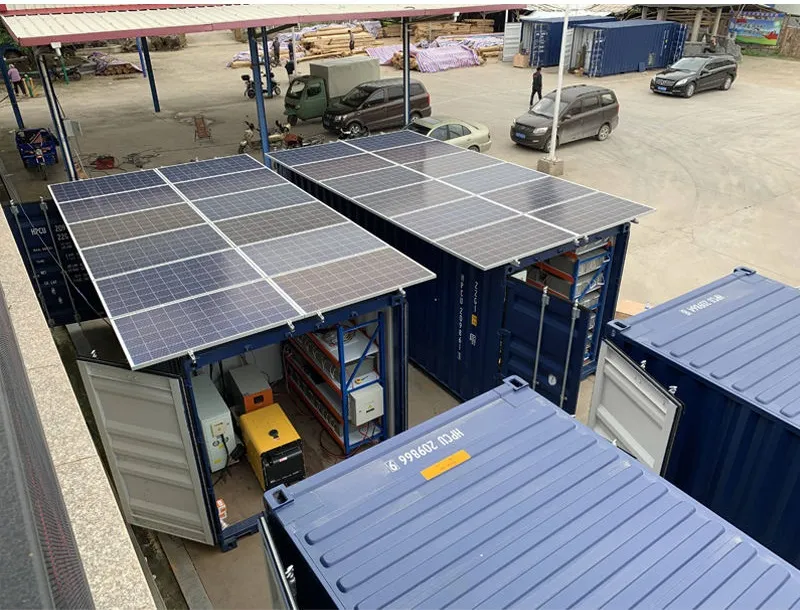
Imagine investing in solar panels for your home or business, only to discover they lose significant efficiency just a few years after installation. This scenario isn't hypothetical - it's a real risk known as Potential Induced Degradation (PID). Just as regular health checks prevent serious illnesses in humans, PID test certification serves as the vital health screening for solar panels, ensuring their long-term vitality and performance.
PID is like high blood pressure in the human body - often invisible until it causes serious damage. This phenomenon occurs when voltage potential differences between solar cells and their frame cause leakage currents, slowly poisoning the system's performance. Like a degenerative disease, PID progresses gradually:
Like how pelvic inflammatory disease prevention emphasizes early detection, PID certification establishes proactive safeguards. Just as the Mayo Clinic emphasizes symptom awareness for health issues, certified testing identifies early warning signs in solar panels:
"Prevention isn't just better than cure - it's cheaper and more reliable," says solar engineer Dr. Elena Rodriguez. "Certification is the vaccine against PID. We've seen systems lose up to 35% efficiency within three years without it. That's not just wasted energy - that's thousands of dollars evaporating from your investment."
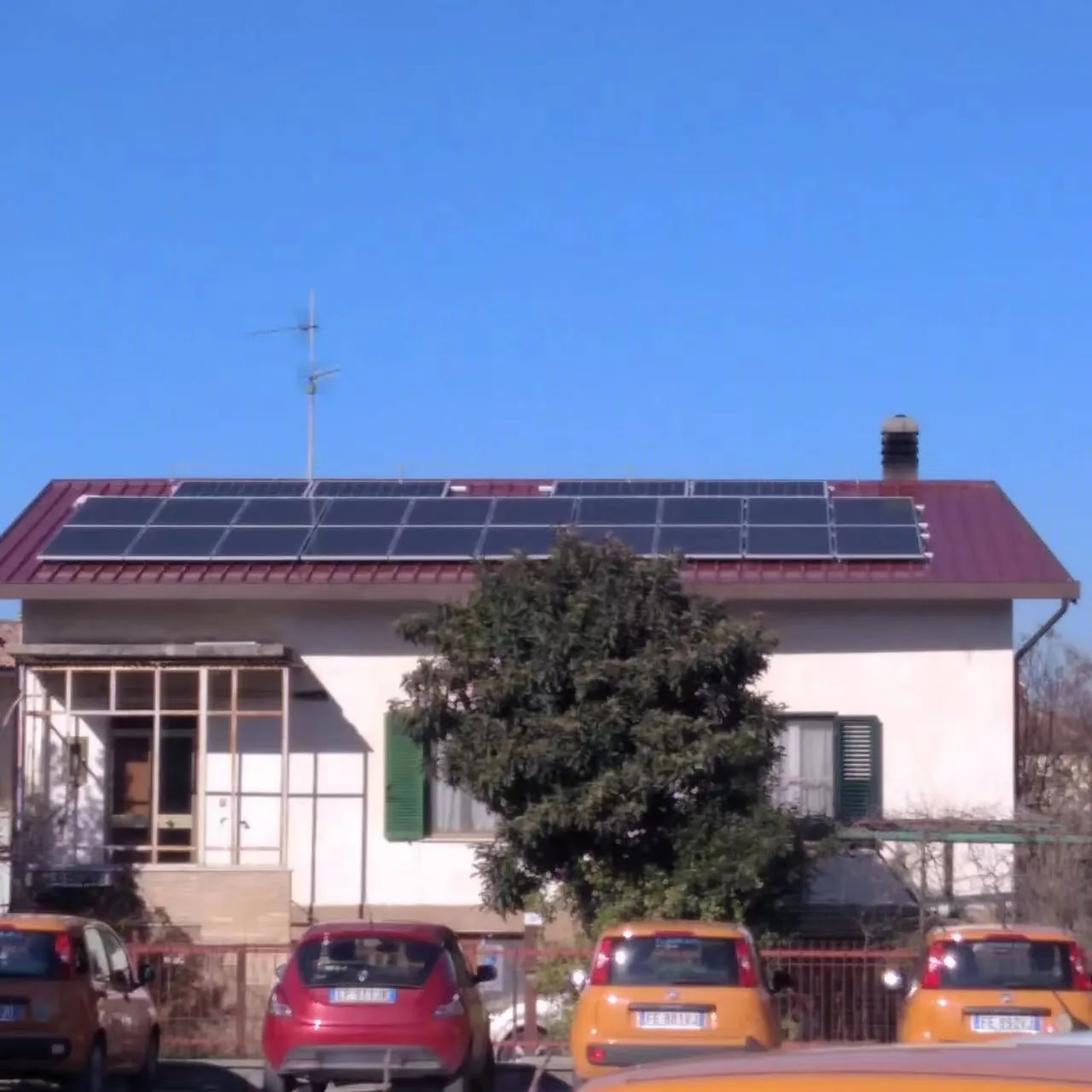
The PID certification process subjects PV modules to extreme conditions, accelerating years of real-world stress into a controlled test environment. The certification involves three phases:
Phase 1: Environmental Stress Testing - Panels endure 96 hours at 85°C with 85% humidity while under maximum system voltage. This replicates years of seasonal changes and weather extremes.
Phase 2: Performance Benchmarking - Detailed measurements of:
Phase 3: Durability Validation - Multiple freeze-thaw cycles and mechanical load tests ensure structural integrity remains intact after electrical stressing.
Like diagnosing health conditions through specific biomarkers, certification relies on precise performance metrics. A panel passes only if:
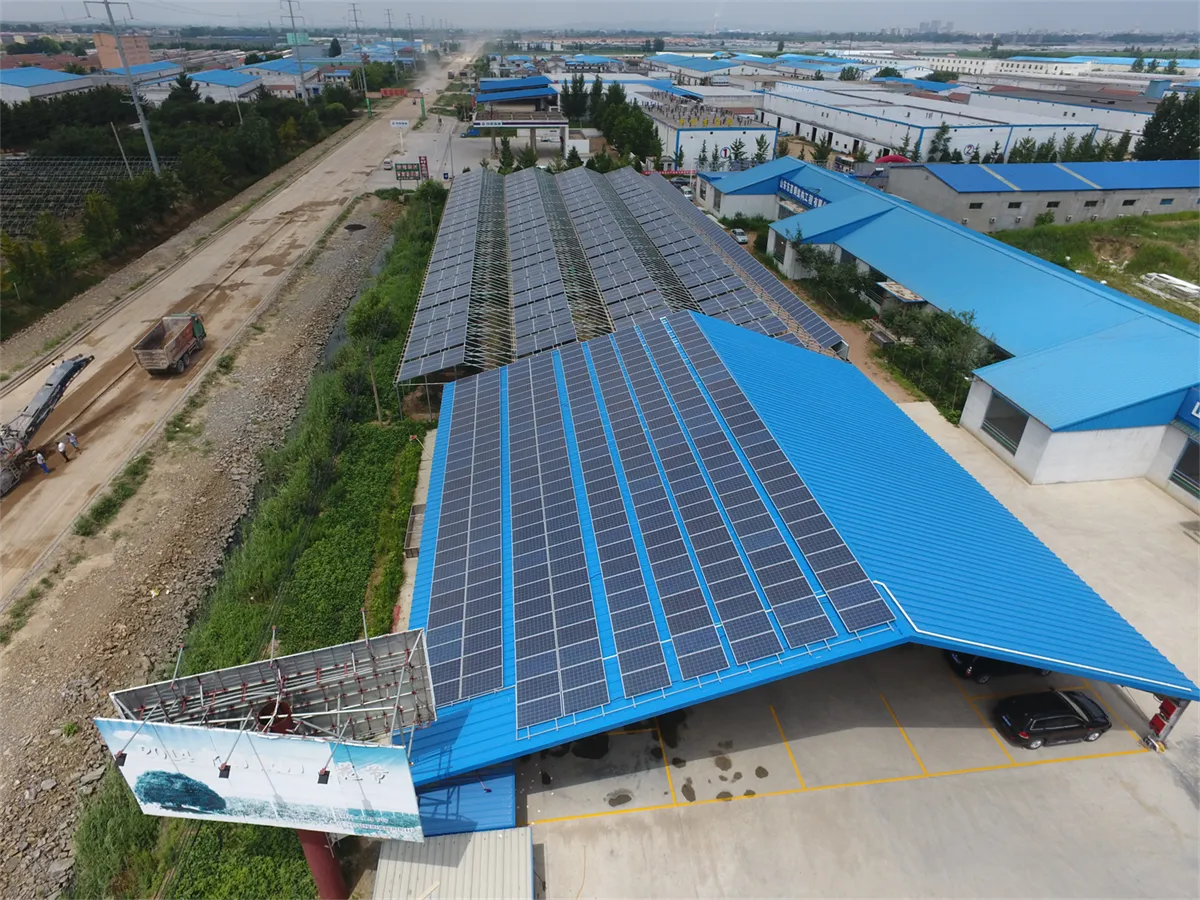
The Arizona Solar Project (2017-2024): A 12MW installation using certified panels maintained 95% performance after 7 years. A neighboring project without certification lost 28% efficiency in the same period due to unmitigated PID.
"Certification isn't paperwork - it's performance insurance," explains solar farm manager Tom Henderson. "Our certified systems consistently outperform non-certified installations by 18-30% in year-over-year comparisons."
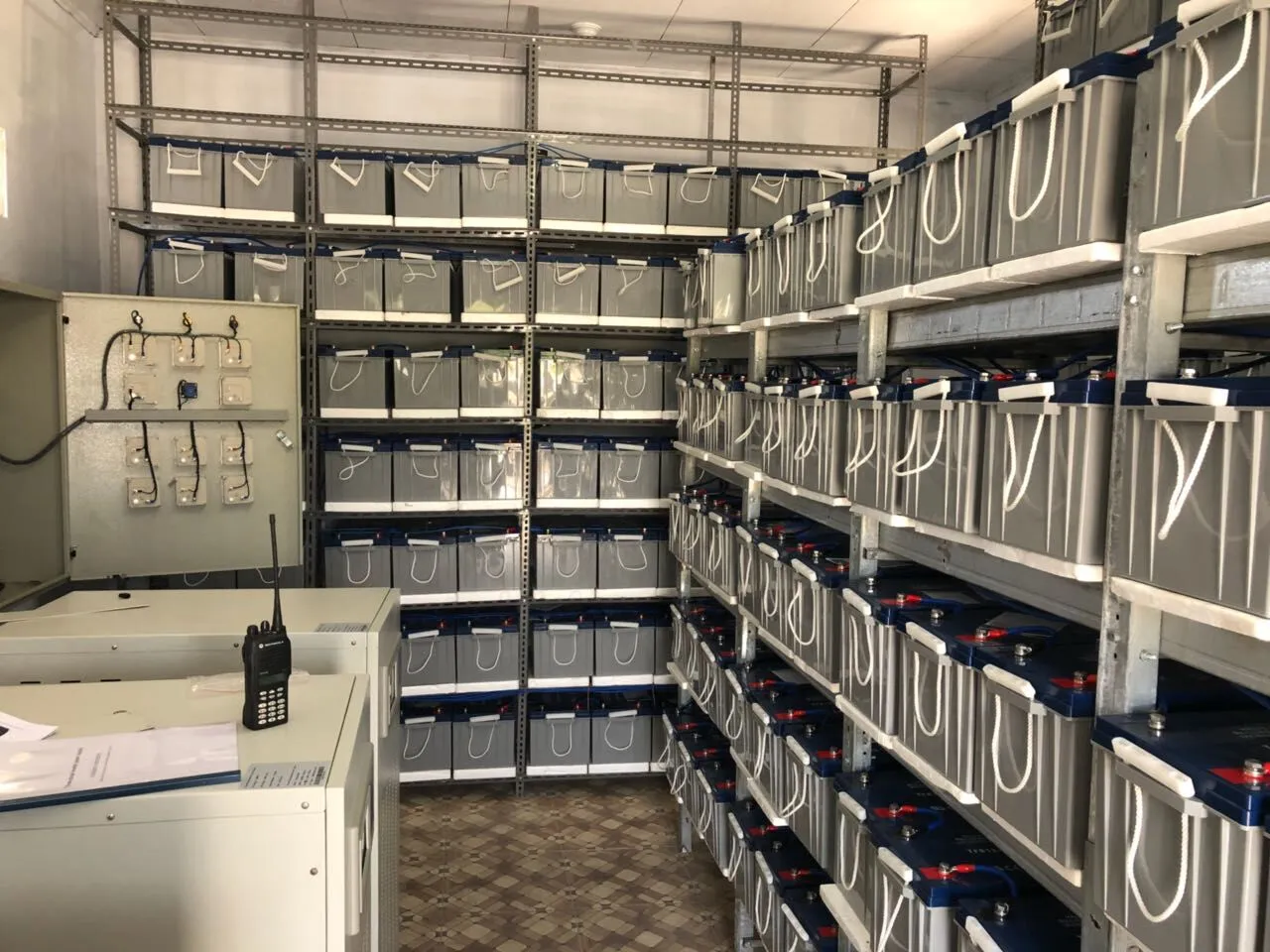
Drawing from medical prevention principles, the most effective PID solutions combine multiple protective layers:
System design plays as crucial a role as component quality in preventing PID:
Key design factors include:
| Scenario | 5-Year Performance | Financial Impact |
|---|---|---|
| Certified PID-resistant system | 94-97% original efficiency | +$21,500 savings per 100kW |
| Uncertified with PID mitigation | 85-90% efficiency | +$9,200 savings per 100kW |
| Uncertified with PID damage | 65-75% efficiency | -$18,300 loss per 100kW |
The calculations show why PID certification isn't just technical jargon - it's financial literacy for solar investments. Commercial solar designer Anika Patel notes, "In large-scale installations, PID certification translates to six-figure differences in lifetime ROI."
Protecting your solar investment requires proactive steps:
During Procurement:
During Operation:
As healthcare providers implement prevention protocols, solar professionals should:
Emerging technologies are transforming PID protection:
Self-Healing Nanocoatings: Materials automatically repair microscopic damage points, preventing leakage paths before they expand.
AI-Powered Predictive Monitoring: Systems analyzing voltage patterns to identify PID vulnerability before degradation occurs.
Dynamic Voltage Management: Smart inverters continuously optimizing potential differences in real-time.
These innovations point toward an inevitable future where PID protection becomes intrinsic to solar systems, much like infection control became fundamental to modern healthcare.
The bottom line remains simple: PID test certification isn't another bureaucratic hurdle. It's the difference between solar installations that deliver decades of peak performance and those that become expensive disappointments. As solar technology advances toward 40-year operational lifetimes, this certification evolves from technical detail to essential criterion for sustainable energy investments that truly stand the test of time.
Recommend Products












