
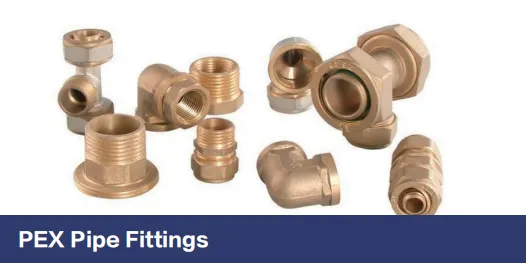
Hey there! If you're exploring the world of plumbing or tackling a home renovation, you've probably heard the buzz about PEX piping. And let's be real - the secret sauce isn't just the pipes themselves, but the fittings that make everything connect smoothly. Whether you're a DIY warrior or a pro plumber, choosing the right PEX fittings can mean the difference between a flawless system and a leaky nightmare.
In this guide, we'll dive deep into the types of PEX fittings available, how to pick the perfect ones for your project, and pro tips to avoid common installation headaches. Let's cut through the confusion and get your plumbing project on track!
Think of PEX fittings as the unsung heroes of your plumbing system. They're the connectors that join pipes to fixtures, valves, or other pipes - creating secure joints in everything from your morning shower supply to radiant heating systems. Get these wrong, and you'll be dealing with drips, pressure drops, and headaches down the road. But choose wisely, and you'll enjoy:
Whether you're retrofitting an old house or building new, understanding PEX fittings is like having a superpower in your plumbing toolkit. And here's the kicker - residential plumbing makes up over 80% of PEX installations, but the same principles apply whether you're fixing a kitchen sink or designing a commercial building's water system.
Meet the MVP of PEX connections - used in probably 70% of DIY projects out there. Crimp fittings combine a brass or copper sleeve with a metal ring that gets compressed onto the pipe. That satisfying "click" when you crimp? That's your reassurance of a watertight seal.
Why homeowners love them: They're budget-friendly, available at any hardware store, and work with all PEX tubing types (A, B, and C). Plus, their compact size is perfect for tight spaces under sinks or behind walls.
Watch out for: You'll need to invest in a crimping tool, and once they're installed - that's it. No reusing or adjusting down the road. Perfect for permanent installations.
These work similarly to crimp fittings but use stainless steel rings and a cinching tool. The beauty? You can actually see if the connection is properly secured - no guessing games. They resist corrosion like champs and handle hot and cold lines equally well.
Just remember they're slightly bulkier than crimp fittings, and you'll still need that specialized tool. A top choice for bathrooms and laundry rooms where moisture is a constant companion.
Ever wish plumbing could be as simple as snapping Lego pieces together? Enter push-to-connect fittings! With a stainless steel grip ring and O-ring, they seal instantly when you push the pipe in. No tools required - seriously.
Perfect scenario: That midnight pipe burst when hardware stores are closed. Or maybe a temporary outdoor shower setup for summer. They're reusable too - pull the release collar and you can disconnect them cleanly.
Trade-off? They cost more per fitting and their bulkier size might not fit in tight spots. But when you're in a pinch, they're worth their weight in gold.
These require a special expansion tool that stretches the PEX tubing before inserting the fitting. As the pipe relaxes, it creates an incredibly strong grip - like a python hug for your plumbing.
Where they shine: Commercial buildings, radiant floor heating systems, and high-pressure applications where failure isn't an option. They also maintain the pipe's full inner diameter - meaning no flow restriction.
Caveats? That specialized tool isn't cheap, and they're mainly for PEX-A tubing. Not ideal for small DIY jobs, but unbeatable for serious projects.
These are your translators between different plumbing worlds. Need to connect PEX to a water heater's metal threads? Want to tap into existing galvanized pipes? Threaded fittings (available as male or female) make these transitions seamless.
Word to the wise: Get those threads sealed properly! A little thread tape makes all the difference between dry and drip.
With so many options, how do you pick? Consider these factors:
Not all fittings play nice with all tubing:
PEX-A
Best with expansion fittings
PEX-B/C
Great with crimp or clamp fittings
High-pressure systems? Expansion or threaded fittings
Quick repair or temporary setup? Push-to-connect
Visible connections? Brass PEX fittings add style and durability
Brass fittings offer superior durability and longevity, especially with lead-free brass options being the safe choice for drinking water. Plastic fittings? Lighter on the wallet and easier to install, but best for low-pressure residential applications.
Pro Tip: For drinking water systems, always choose lead-free fittings - your health isn't worth the savings! These meet strict safety standards while maintaining durability.
Clean tools after every use with a dry cloth. Store them dry to prevent rust. Regularly inspect for worn parts - a damaged crimping head will cost you more in leaks than replacement parts.
First, stay calm! Most leaks occur at fittings due to:
• Under-crimped rings
• Damaged fittings
• PEX movement from temperature changes
Fix: First try recrimping the fitting. If that fails, cut out the section and start fresh with new components.
Those annoying bends that restrict water flow? Try gently heating with a heat gun while straightening. If the kink has sharp creases, cut it out and replace that section - don't risk future failure.
PEX hates direct sunlight! UV exposure weakens the plastic over time. Always shield exposed PEX pipes with insulation or enclosures.
What types of PEX fittings are there?
You've got several choices: crimp, clamp, push-to-connect, expansion, and threaded fittings. Each has specific use cases and installation requirements.
Are all brass PEX fittings lead-free?
Many quality brass fittings are lead-free for drinking water safety, but always check product specifications - don't assume!
How do I connect PEX to existing metal pipes?
Threaded adapter fittings are your solution! Apply Teflon tape to the threads, then hand-tighten before finishing with a wrench - about 1/2 turn past hand-tight.
What tools do I need for PEX plumbing?
At minimum: PEX cutter, crimp/clamp tool, and go/no-go gauge. For large projects, consider an expansion tool kit.
Can PEX handle hot water?
Absolutely! Rated up to 200°F when properly installed. Use expansion fittings or metal inserts with crimp fittings for optimal hot water performance.
Armed with this knowledge, you're ready to tackle any PEX project with confidence. Remember: Great plumbing starts with quality fittings, proper tools, and a little patience. Whether you're fixing a leaky sink or installing a whole-home system, choosing the right fittings makes all the difference between headaches and high-fives.
Happy plumbing!
Recommend Products












