
When it comes to building or renovating a space—whether a cozy home, a bustling office, or a busy hospital—one of the most critical systems often goes unnoticed until something goes wrong: the plumbing. Behind every steady stream of hot water in the shower, every reliable flush in the bathroom, and every functional kitchen sink lies a network of pipes and fittings working tirelessly. In recent decades, one material has revolutionized this hidden infrastructure: PEX (cross-linked polyethylene). Flexible, durable, and surprisingly adaptable, PEX has become the go-to choice for plumbers, contractors, and homeowners alike. But even the best PEX pipes are only as good as the fittings that connect them. That's where a trusted pex pipe and fitting supplier steps in, turning raw materials into reliable, long-lasting solutions.
Unlike rigid alternatives like copper or galvanized steel, PEX bends easily around corners, resists corrosion, and handles temperature fluctuations without cracking. It's no wonder that the demand for PEX pipe and fitting solutions has skyrocketed, especially in regions like Saudi Arabia where both residential and commercial construction is booming. But with great demand comes great responsibility for suppliers. A top-tier pex pipe and fitting supplier doesn't just sell parts—they provide expertise, ensuring that every fitting is compatible, durable, and suited to the job at hand. Whether you're a plumber tackling a bathroom remodel or a contractor overseeing a high-rise hotel, the right fittings can mean the difference between a system that lasts decades and one that springs leaks after a few years.
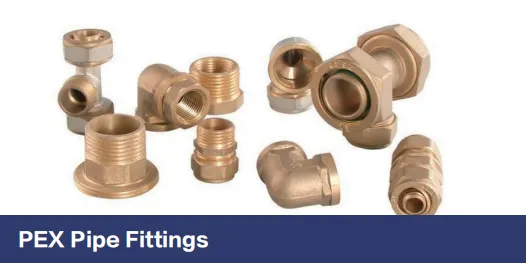
Before diving into the types of fittings, let's start with the basics: What exactly are PEX fittings, and why do they matter? Simply put, PEX fittings are the connectors that join PEX pipes together, link pipes to fixtures (like faucets or toilets), or transition between different pipe materials. Think of them as the "joints" of the plumbing system—small but essential components that keep water flowing where it should, without leaks.
Most PEX fittings are made from brass, copper, or high-quality plastic (like polypropylene), each with its own strengths. Brass fittings, for example, are prized for their corrosion resistance and durability, making them ideal for both hot and cold water systems. Plastic fittings, on the other hand, are often more affordable and lightweight, though they may not be suitable for extreme temperatures. The key here is compatibility: PEX pipes come in three types—PEX-A, PEX-B, and PEX-C—each with slightly different flexibility and tolerance levels. A knowledgeable pex pipe and fitting supplier will ensure that the fittings you choose work seamlessly with your pipe type, preventing common issues like cracking or poor seals.
Another crucial factor is size. PEX fittings come in standard diameters (1/2 inch, 3/4 inch, 1 inch, etc.) to match pipe sizes, and even a small mismatch can lead to leaks. This is why working with a supplier that offers a full range of sizes and types isn't just convenient—it's critical for project success. After all, a sanitary fixtures/bathrooms supplier wouldn't cut corners on faucet quality, so why compromise on the fittings that connect those fixtures to the water supply?
Not all PEX fittings are created equal. Each type is designed for specific installation methods, applications, and user preferences. A reliable pex pipe and fitting supplier should stock a variety of options to meet the needs of different projects, from quick DIY repairs to large-scale commercial builds. Let's break down the most essential types:
Crimp fittings are the workhorses of the PEX world, trusted by professionals for their reliability and widespread compatibility. Here's how they work: A metal crimp ring (usually copper or stainless steel) is slipped over the end of the PEX pipe, which is then pushed onto a brass or plastic fitting. Using a crimping tool, the ring is compressed tightly around the pipe and fitting, creating a watertight seal. It's a simple process, but it requires precision—too loose, and the connection leaks; too tight, and the pipe could crack.
Crimp fittings are available in a wide range of sizes (from 3/8 inch to 2 inches) and configurations, including elbows, tees, couplings, and adapters. They're compatible with PEX-B and PEX-C pipes (the most common types) and are ideal for residential plumbing, radiant heating systems, and small commercial projects. The main downside? You'll need a specialized crimping tool, which can be an investment for occasional users. But for professionals who install PEX regularly, the security of a crimped connection is well worth the tool cost.
If crimp fittings are the reliable old-timer, clamp (or "cinch") fittings are the modern upstart. They work similarly to crimp fittings but with a key difference: instead of a copper ring and a crimping tool, they use a stainless steel clamp and a single cinch tool. The process is faster: slide the clamp over the pipe, push on the fitting, then use the cinch tool to tighten the clamp until it clicks. No need to adjust for pipe size—the same tool works for all clamp sizes, making it a favorite among contractors who value efficiency.
Clamp fittings are often made of brass or plastic and are compatible with PEX-B and PEX-C. They're a great choice for tight spaces where a crimping tool might be hard to maneuver, like under sinks or in wall cavities. However, they're less common in some regions, so it's important to check with your pex pipe and fitting supplier to ensure availability. For DIYers, the lower tool cost (a basic cinch tool is cheaper than a crimping tool) makes clamp fittings an attractive option for home projects.
Imagine a fitting that you can install in seconds, with no special tools—just your hands. That's the promise of push-to-connect (PTC) fittings, also known as "quick-connect" or "push-fit" fittings. These innovative fittings have a built-in O-ring and a metal grab ring. To install, you simply cut the PEX pipe straight, push it into the fitting until it hits the stop, and the grab ring locks it in place. The O-ring creates a tight seal, and the connection can be removed (if needed) with a simple disconnect tool.
Push-to-connect fittings are a game-changer for emergency repairs or situations where tools are scarce. They're compatible with all PEX types, as well as copper and CPVC pipes, making them incredibly versatile. However, they're more expensive than crimp or clamp fittings, so they're often reserved for small jobs or temporary fixes rather than large-scale installations. A good pex pipe and fitting supplier will stock these for clients who need a quick, hassle-free solution—like a homeowner fixing a leaky pipe before a plumber arrives.
PEX-A is the most flexible type of PEX, known for its ability to expand and contract without weakening. To take full advantage of this, expansion fittings are used. Here's how they work: A specialized expansion tool stretches the end of the PEX-A pipe, making it larger than the fitting. The fitting is then inserted into the expanded pipe, and as the pipe shrinks back to its original size, it forms a tight, seamless seal around the fitting. No rings, no clamps—just the pipe and the fitting, bonded by friction.
Expansion fittings are often made of brass and are considered the most reliable PEX connections available. They're ideal for high-pressure systems, radiant heating, and commercial projects where durability is non-negotiable. The downside? They only work with PEX-A (which is more expensive than PEX-B/C), and the expansion tool is pricier than crimp or clamp tools. But for projects where longevity is key—like a hospital or school where plumbing failures could disrupt critical services—expansion fittings are worth the investment. A top pex pipe and fitting supplier will carry both PEX-A pipe and expansion fittings for clients who demand the best.
Last but not least, we have compression fittings—a tried-and-true option that's been around long before PEX. These fittings use a compression nut and a metal or rubber ring (ferrule) to seal the connection. To install, you slide the nut and ferrule over the pipe, push the pipe onto the fitting, then tighten the nut, compressing the ferrule against the pipe and fitting. They're simple, require no special tools (just a wrench), and work with PEX, copper, and plastic pipes.
Compression fittings are best suited for low-pressure applications, like connecting PEX to old galvanized steel pipes or for temporary repairs. They're not ideal for high-temperature systems (like radiant heating) because the ferrule can degrade over time. Still, they have their place in the plumbing toolkit, and a comprehensive pex pipe and fitting supplier will keep them in stock for those unique situations where newer fittings just won't work.
| Fitting Type | Installation Tool Required | Primary Material | Best For | Key Advantage | Potential Drawback |
|---|---|---|---|---|---|
| Crimp | Crimping tool (size-specific) | Brass, copper | Residential plumbing, radiant heating | Secure, widely compatible | Requires multiple tools for different sizes |
| Clamp (Cinch) | Cinch tool (universal size) | Brass, stainless steel | Quick installations, tight spaces | One tool for all sizes, fast installation | Less common in some regions |
| Push-to-Connect | None (disconnect tool optional) | Brass, plastic | Emergency repairs, DIY projects | No tools needed, compatible with multiple pipe types | Higher cost per fitting |
| Expansion | Expansion tool | Brass | PEX-A systems, high-pressure applications | Most reliable seal, no rings/clamps | Only works with PEX-A, expensive tool |
| Compression | Wrench | Brass, plastic | Low-pressure systems, temporary repairs | Simple, no special tools | Not ideal for high temperatures/pressure |
PEX isn't the only player in the plumbing game. Other materials like UPVC, PPR, and copper still have their uses, and understanding how PEX fittings compare can help you make the best choice for your project. For example, UPVC (unplasticized polyvinyl chloride) is rigid, affordable, and often used for drain lines and cold water systems. An upvc pipe supplier might highlight its chemical resistance and low cost, but UPVC lacks PEX's flexibility—installing it in tight spaces requires more elbows and joints, increasing the risk of leaks. PPR (polypropylene random copolymer) is another competitor, favored for hot water systems in some regions. A ppr pipe and fitting supplier might emphasize its heat resistance, but PPR fittings are bulkier and require heat fusion tools, making installations slower than PEX.
What sets PEX apart is its combination of flexibility, durability, and ease of installation—all of which hinge on its fittings. Unlike copper, which requires soldering (a skill that takes time to master), PEX fittings can be installed by anyone with basic tools. Unlike UPVC, PEX bends, reducing the number of fittings needed (fewer fittings = fewer potential leak points). And unlike PPR, PEX works with a variety of fitting types, so you can choose the method that best fits your project's budget and timeline.
This versatility is especially valuable for projects that involve multiple systems. For example, a sanitary fixtures/bathrooms supplier might work with PEX pipes and fittings to connect showers, toilets, and sinks, ensuring that each fixture has a reliable water supply. In a hotel bathroom, where downtime is costly, PEX fittings' quick installation and leak resistance mean the bathroom can be up and running faster—keeping guests happy and contractors on schedule.
Now that you know the types of fittings, the next step is choosing the right supplier. Not all pex pipe and fitting suppliers are created equal, and partnering with the wrong one can lead to delayed projects, incompatible parts, or worse—failed connections. Here are the key qualities to look for:
Quality Certifications: The best suppliers stock fittings that meet industry standards, like ASTM F1807 (for crimp fittings) or ASTM F2080 (for expansion fittings). Look for certifications from NSF/ANSI 61, which ensures the fittings are safe for drinking water. A supplier that skips these certifications might offer cheaper parts, but they could leach chemicals or fail prematurely.
Range of Solutions: A top supplier doesn't just sell one type of fitting—they offer a full lineup, from crimp to push-to-connect, plus pipes, tools, and accessories. They should also carry fittings in different materials (brass, plastic) and sizes, so you're not stuck ordering from multiple suppliers for a single project.
Technical Expertise: Plumbing can get complicated, and even experienced installers have questions. A good supplier will have knowledgeable staff who can help you choose the right fitting for your PEX type, explain installation best practices, or troubleshoot issues. Whether you're a homeowner confused about crimp vs. clamp or a contractor working on a hospital's radiant heating system, expert advice is invaluable.
Reliability: There's nothing worse than starting a project only to find your supplier is out of the fittings you need. Look for suppliers with consistent stock levels and fast shipping, especially if you're working on a tight deadline. Some suppliers even offer bulk discounts for large orders, which can save money on commercial projects.
PEX fittings aren't just for residential plumbing—they're used in a wide range of applications, each with its own demands. Let's take a closer look at where these fittings excel:
Residential Plumbing: From kitchens to bathrooms, PEX fittings are the backbone of home plumbing. Crimp or clamp fittings are popular here for their balance of cost and reliability. Push-to-connect fittings are handy for quick repairs, like fixing a leaky pipe under the sink without shutting off the entire house's water.
Commercial Projects: Hotels, offices, and retail spaces often use PEX for hot and cold water systems. Expansion fittings are a favorite here for their durability, while clamp fittings speed up installations in large buildings. In hospitals and schools, where safety is paramount, PEX fittings certified for potable water (NSF/ANSI 61) ensure that water remains clean and safe for patients and students.
Radiant Heating: PEX is ideal for radiant floor heating systems, which circulate hot water under floors to keep rooms warm. Expansion fittings are best for this, as they handle the constant temperature changes without weakening. A pex pipe and fitting supplier specializing in radiant heating will also offer manifolds and valves to control water flow to different zones.
Mobile and Marine Applications: RVs, boats, and tiny homes need plumbing that can handle movement and vibration. PEX's flexibility and push-to-connect fittings make it perfect for these spaces, where traditional rigid pipes would crack or loosen.
At the end of the day, PEX pipe fittings are more than just small pieces of metal or plastic—they're the unsung heroes of modern plumbing. From crimp to expansion, each type has a role to play, and choosing the right one depends on your project, budget, and tools. But no matter which fitting you choose, the key is partnering with a reliable pex pipe and fitting supplier—one that offers quality products, expert advice, and a range of solutions to meet your needs.
Whether you're a plumber, a contractor, or a homeowner, investing in the right fittings and the right supplier will save you time, money, and headaches down the line. After all, a plumbing system is only as strong as its weakest link—and with the right fittings, that link will be strong enough to last for decades.
So the next time you start a plumbing project, remember: the fittings matter. And the supplier matters even more. Choose wisely, and your pipes (and your peace of mind) will thank you.
Recommend Products












