
When you're knee-deep in a home renovation or building project, the last thing you want to worry about is whether the pipes behind your walls will stand the test of time. For millions of homeowners and contractors, PEX (cross-linked polyethylene) pipe has become the go-to choice for plumbing systems—and for good reason. It's flexible, resistant to corrosion, and easier to install than traditional copper or galvanized steel. But here's the thing: even the best materials need a safety net. That's where warranties come in. Whether you're a DIY enthusiast upgrading your bathroom or a contractor sourcing materials for a commercial build, understanding PEX pipe and fitting warranties isn't just smart—it's essential to protecting your investment.
In this guide, we're going to break down everything you need to know about PEX pipe and fitting warranties. We'll cover why they matter, what they actually cover (and what they don't), how to compare warranties from different suppliers, and even how to navigate the claims process if something goes wrong. By the end, you'll be equipped to make informed decisions when choosing PEX pipe and fitting solutions—and sleep better knowing your plumbing system is backed by a solid warranty.
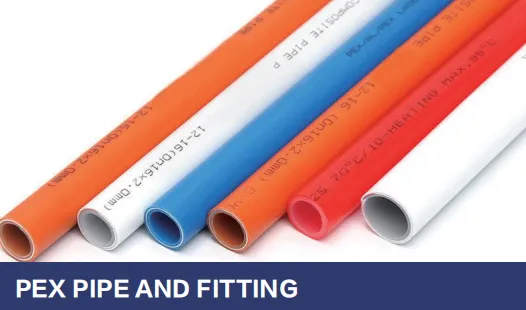
Before we dive into warranties, let's quickly recap what PEX pipe is and why it's so popular. PEX is a type of plastic pipe that's cross-linked to make it stronger and more durable. It comes in three main types: PEX-A, PEX-B, and PEX-C, each with slight differences in flexibility and manufacturing processes. But regardless of the type, PEX is prized for its ability to handle high temperatures (making it ideal for hot water lines), resist scale buildup, and bend around corners without the need for extra fittings—saving time and money during installation.
PEX pipe and fitting solutions have revolutionized residential and commercial plumbing. From small bathroom remodels to large-scale apartment complexes, PEX systems are trusted by professionals worldwide. But like any building material, PEX isn't indestructible. Cracks, leaks, or defects can happen, and when they do, the cost of repairs can add up fast. That's why the warranty that comes with your PEX pipe and fittings is more than just a piece of paper—it's a promise from the supplier that they stand behind their product.
Let's start with the obvious: plumbing repairs are expensive. A single leak in a PEX pipe can lead to water damage, mold growth, and thousands of dollars in repairs. If the leak is due to a manufacturing defect, you shouldn't have to foot the bill. A strong warranty ensures that the supplier will replace defective materials or cover repair costs, depending on the terms.
Real-Life Example: Imagine you install PEX pipe in your new home. Five years later, you notice a pinhole leak in the main hot water line. You call a plumber, who discovers the leak is due to a flaw in the pipe's material. If your PEX pipe and fitting supplier offers a 25-year warranty that covers material defects, you could get a replacement pipe (and maybe even reimbursement for labor) at little to no cost. Without that warranty, you'd be on the hook for parts and labor—easily $500 or more for a single repair.
But warranties aren't just about financial protection. They also signal quality. A reputable PEX pipe and fitting supplier that offers a long, comprehensive warranty is likely confident in the durability of their products. On the flip side, a supplier with a short or vague warranty might be cutting corners in manufacturing. In other words, the warranty is a window into how much the supplier believes in their PEX pipe and fitting solutions.
Finally, warranties matter for peace of mind. When you're investing in a plumbing system that's supposed to last 30+ years, knowing it's backed by a strong warranty lets you focus on enjoying your space—not stressing about future failures. This is especially important for homeowners planning to stay in their homes long-term or contractors looking to build a reputation for reliability.
Not all warranties are created equal. PEX pipe and fitting warranties come in different shapes and sizes, and understanding the differences can help you choose the right one for your project. Let's break down the most common types:
You've probably seen the term "limited lifetime warranty" thrown around, but what does it really mean? For PEX pipe and fittings, a limited lifetime warranty typically means the manufacturer or supplier guarantees the product against defects in materials or workmanship for as long as the original homeowner owns the property. But here's the catch: "limited" is the key word. These warranties rarely cover everything. They might exclude labor costs, damage from improper installation, or issues caused by extreme conditions (like freezing temperatures if the pipe isn't properly insulated).
For example, a PEX pipe with a limited lifetime warranty might replace a defective pipe for free, but you'd still have to pay a plumber to remove the old pipe and install the new one. Some warranties also become void if the home is sold—so if you're buying a house with existing PEX, check if the warranty is transferable (more on that later).
Instead of a "lifetime" guarantee, many suppliers offer warranties for a specific number of years: 10, 25, 50, or even 75 years. These are often more straightforward than limited lifetime warranties because the coverage period is clearly defined. For instance, a 50-year warranty might cover both material defects and labor costs for the first 10 years, then only materials for the remaining 40. Or it could be a "material-only" warranty for the entire 50 years.
Length-based warranties are common among PEX pipe and fitting suppliers targeting residential customers, as they align with the typical lifespan of a home's plumbing system. A 25-year warranty, for example, gives homeowners confidence that their pipes will last through major life milestones—raising kids, home renovations, and beyond.
One of the biggest distinctions in PEX warranties is whether they cover just the materials or also the labor to repair or replace them. A material-only warranty will send you a new pipe or fitting if the original is defective, but you'll have to pay for the plumber's time. A labor-inclusive warranty , on the other hand, might reimburse you for a portion (or all) of the labor costs associated with the repair. This can save you hundreds of dollars in the long run.
Labor coverage is often tiered. For example, a supplier might offer 100% labor reimbursement for the first 5 years, 50% for years 6–10, and then material-only after that. Always read the fine print to see how labor costs are handled—this is where many homeowners get caught off guard.
It's also important to note who is offering the warranty: the supplier or the manufacturer. A manufacturer's warranty is backed by the company that made the PEX pipe (e.g., Uponor, Viega, or SharkBite). These are generally more reliable, as manufacturers have the resources to honor long-term warranties. A supplier's warranty , on the other hand, is offered by the store or distributor where you purchased the pipe (like a local hardware store or a specialized building material supplier). Supplier warranties might add extra coverage on top of the manufacturer's warranty, but they're only as good as the supplier's financial stability. If the supplier goes out of business, your warranty could be worthless.
When possible, look for PEX pipe and fitting solutions backed by both a manufacturer and a supplier warranty. This gives you an extra layer of protection.
Warranty documents are infamous for being full of legalese, but taking the time to understand key terms can save you from headaches later. Here are the most important ones to watch for:
Defects in Materials or Workmanship: This is the core of most warranties. It covers issues caused by poor manufacturing (e.g., a weak spot in the pipe wall) or faulty assembly (e.g., a fitting that doesn't seal properly). It does NOT cover damage from accidents, misuse, or improper installation.
Improper Installation: This is the most common warranty exclusion. If your PEX pipe is installed by someone who isn't certified (or doesn't follow the manufacturer's guidelines), the warranty is likely void. For example, using PEX-B fittings on PEX-A pipe (they're not interchangeable!) or failing to use a proper crimping tool can lead to leaks—and denied claims.
Acts of God/Natural Disasters: Most warranties won't cover damage from floods, earthquakes, or extreme weather (like a pipe bursting during a polar vortex if it wasn't insulated). Some might offer optional add-ons for these scenarios, but they're rarely included standard.
Transferability: If you sell your home, can the new owner take over the warranty? Some warranties are transferable once (for a fee), while others become null and void. This is a big selling point for homeowners planning to move, so ask suppliers about it upfront.
Pro-Rated Coverage: A pro-rated warranty means the amount of reimbursement decreases over time. For example, a 20-year pro-rated warranty might cover 100% of material costs in the first 10 years, 50% in years 11–15, and 25% in years 16–20. After that, coverage ends.
Other terms to look for include "consequential damages" (most warranties won't cover damage to your floors or walls caused by a leaking pipe, only the pipe itself), "registration requirements" (some warranties require you to register the product online within 30 days of purchase), and "authorized repair services" (you might have to use a certified plumber for the claim to be valid).
Not all PEX pipe and fitting suppliers offer the same warranty terms. To help you see the differences, we've put together a comparison table of hypothetical suppliers (based on common industry practices). Remember, always check with the actual supplier for the most up-to-date warranty information!
| Supplier | Warranty Length | Coverage Type | Labor Coverage | Transferable? | Key Exclusions |
|---|---|---|---|---|---|
| Supplier A (PEX Specialist) | 50 Years | Materials & Workmanship | 100% for 10 years, then material-only | Yes (1 transfer, $50 fee) | Improper installation, freezing (uninsulated), chemical damage |
| Supplier B (General Building Materials) | 25 Years (Limited Lifetime for Original Owner) | Materials only | None | No | Installation errors, acts of God, commercial use |
| Supplier C (Premium PEX Solutions) | 75 Years | Materials, Labor, & Consequential Damages (first 5 years) | 100% for 5 years, 50% for years 6–15 | Yes (unlimited transfers) | Extreme chemical exposure, intentional damage |
| Supplier D (Budget-Friendly Option) | 10 Years | Materials only (pro-rated after 5 years) | None | No | Installation, freezing, commercial use, UV exposure |
As you can see, Supplier C offers the most comprehensive coverage, including consequential damages (like water damage to your floors) for the first 5 years—a rare and valuable perk. Supplier A is a solid middle-ground option, with strong labor coverage for the first decade. Supplier B and D, while potentially cheaper upfront, have more limitations, making them better suited for short-term projects or budget builds where long-term warranty protection isn't a priority.
When comparing suppliers, ask for a copy of the full warranty document (not just a summary) and look for red flags like vague language, excessive exclusions, or short coverage periods. A reputable PEX pipe and fitting supplier will be happy to answer your questions and provide detailed warranty information.
Even with a strong warranty, things can go wrong during the claims process. Here are some of the most common issues homeowners and contractors face—and how to prevent them:
This is by far the most frequent complaint. PEX installation might seem simple, but it requires specific tools and techniques. For example, PEX-A pipe expands when heated, so it needs expansion fittings; PEX-B and PEX-C require crimp or clamp fittings. Using the wrong fittings or tools can lead to leaks, and manufacturers will deny claims if the installation doesn't follow their guidelines.
Solution: Always hire a certified plumber who has experience with PEX, or if you're DIYing, take a manufacturer-approved training course. Keep records of the installer's certification and save the installation manual—you'll need them if you file a claim.
Many warranties require proof of purchase, and without a receipt, suppliers have no way to verify when or where you bought the product. This is especially true for length-based warranties—how can a supplier confirm your pipe is still under warranty if they don't know when it was installed?
Solution: Save your receipt in a safe place (digitally and physically). Take photos of the product labels (which include batch numbers and manufacturing dates) before installation. Register the product online immediately after purchase—most suppliers offer online registration, which serves as official proof of ownership.
As we mentioned earlier, "lifetime" usually refers to material coverage only. Labor costs are often excluded or limited to the first few years. Homeowners are often surprised by this, assuming "lifetime warranty" means full coverage.
Solution: Read the warranty document carefully before buying. If labor coverage is important to you, prioritize suppliers that explicitly include it (like Supplier A and C in our table). Consider purchasing additional labor insurance if needed.
If you notice a problem with your PEX pipe or fittings—like a leak, discoloration, or unusual odors—it's time to file a warranty claim. Here's how to do it:
First, determine what's wrong. Is the pipe leaking at a fitting? Is there a crack in the pipe itself? Take photos and videos of the damage, including close-ups of the product labels (which show the manufacturer, model number, and batch code). Note the date you noticed the issue and any relevant details (e.g., "Leak started after a cold snap" or "Fitting came loose despite proper crimping").
Check your warranty document to see who handles claims—some suppliers direct you to the manufacturer, while others handle claims in-house. Call their customer service line or submit a claim through their website. Be prepared to provide your proof of purchase, installation date, and photos of the damage.
For major claims, the manufacturer might send an inspector to assess the damage. They'll check if the issue is covered by the warranty (e.g., a manufacturing defect vs. improper installation). Cooperate fully with the inspection—refusing access could result in a denied claim.
If the claim is approved, the supplier will either send replacement materials or reimburse you for the cost. If labor is covered, they might send a list of authorized plumbers or ask for a repair estimate before approving reimbursement.
If your claim is denied, ask for a written explanation. If you believe the denial is unjust (e.g., the damage was clearly a manufacturing defect), escalate to a supervisor or file a complaint with the Better Business Bureau. Keep records of all communications—you might need them if you take legal action (though this is rare).
Choosing PEX pipe and fitting solutions is a smart investment in your home or project—but it's only half the battle. A strong warranty ensures that investment is protected for years to come. By understanding the types of warranties available, key terms to watch for, and how to avoid common pitfalls, you can choose a PEX system that not only meets your plumbing needs but also gives you confidence in its longevity.
Remember, the cheapest PEX pipe isn't always the best deal. A slightly higher upfront cost for a product with a comprehensive warranty from a reputable PEX pipe and fitting supplier can save you thousands in repairs down the line. So do your research, ask questions, and don't be afraid to compare warranties before making a decision. Your future self (and your wallet) will thank you.
Whether you're building a new home, remodeling a bathroom, or upgrading a commercial plumbing system, PEX pipe and fitting warranties are an essential part of the process. With the right warranty in place, you can focus on what matters most: creating a space that's functional, comfortable, and built to last.
Recommend Products












