
Picture this: It's a sweltering summer morning, and Maria, a general contractor, is staring at her project timeline with a growing sense of dread. Her team was supposed to start installing plumbing in a new apartment complex today, but the PEX pipes she ordered three weeks ago still haven't arrived. She's on the phone with the supplier, who's blaming a shipping delay, while her flooring supplier just texted to say their delivery will be a day late—again. Meanwhile, the client is calling, asking why the project is already two weeks behind schedule. Sound familiar? For anyone in construction or renovation, the chaos of juggling multiple suppliers is all too real. But what if there was a better way? What if you could get your PEX pipes, flooring, sanitary fixtures, and more from a single partner who understands your deadlines, your quality standards, and your need to keep costs in check? That's the promise of an integrated solution—and it's changing the game for contractors, builders, and project managers across the industry.
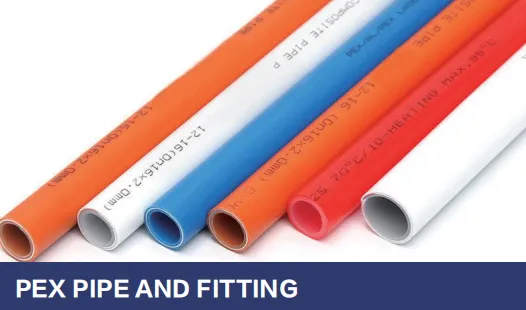
Before we dive into the world of integrated suppliers, let's take a step back and talk about why PEX pipes have become a staple in both residential and commercial construction. Short for cross-linked polyethylene, PEX is a flexible, durable piping material that's revolutionized plumbing systems over the past few decades. Unlike traditional copper or galvanized steel pipes, PEX is lightweight, resistant to corrosion, and incredibly easy to install—its flexibility means fewer joints (which translates to fewer leak points) and the ability to bend around corners without the need for elbow fittings. It's also more affordable than copper and can withstand extreme temperature changes, making it ideal for everything from residential hot water lines to commercial heating systems.
But here's the thing: Even the best PEX pipe and fitting supplier can't solve all your problems if they're just one piece of a much larger puzzle. Let's say Maria finally gets her PEX pipes delivered. Then she needs to coordinate with a flooring supplier for the apartment's hardwood floors, a sanitary fixtures/bathrooms supplier for the sinks and toilets, and maybe even a lighting supplier for the fixtures. Each of these suppliers has their own lead times, their own quality control processes, and their own customer service teams. Suddenly, Maria isn't just building—she's managing a complex web of relationships, each with the potential to derail her project.
It's easy to assume that buying from specialized suppliers—like a dedicated PEX pipe and fitting supplier or a standalone flooring supplier—would be more cost-effective. After all, specialization often leads to better prices, right? In theory, maybe. But in practice, the hidden costs of fragmentation add up fast. Let's break it down:
Time is money—and fragmented suppliers waste a lot of it. When you're dealing with five different suppliers, you're not just placing five separate orders. You're sending five emails, making five phone calls, and tracking five delivery schedules. If the PEX pipe supplier is a day late, your plumbers are sitting idle. If the flooring arrives a week after the drywall is done, your carpenters can't start. Each delay creates a domino effect, pushing back your project timeline and increasing labor costs as crews wait for materials.
Quality inconsistencies create headaches (and extra costs). A PEX pipe and fitting supplier might pride themselves on rigorous testing, but if your flooring supplier cuts corners on material quality, the finished project will still suffer. Imagine installing premium PEX pipes in a luxury apartment, only to have the cheap flooring warp after the first rain. Now you're not just replacing the flooring—you're dealing with unhappy clients, potential legal issues, and a damaged reputation. When suppliers don't coordinate, there's no guarantee that their products will work together seamlessly, leading to costly do-overs.
Shipping and logistics eat into your budget. Ordering from multiple suppliers means paying multiple shipping fees. A small PEX pipe order might cost $50 to ship, while flooring could add another $100, and sanitary fixtures another $75. Over the course of a project, those fees can add up to thousands of dollars. And let's not forget about storage—if your PEX pipes arrive before your flooring, you need space to store them, which might mean renting a warehouse or cluttering your job site, increasing the risk of damage or theft.
Communication breakdowns lead to mistakes. Ever had a supplier misinterpret an order? Maybe you asked for 1-inch PEX pipes, but they sent ¾-inch. Or your sanitary fixtures supplier delivered chrome finishes instead of brushed nickel, clashing with the client's design. When you're juggling multiple points of contact, miscommunications are inevitable. And fixing those mistakes? That takes time, money, and a lot of frustration.
Enter the one-stop architectural solution provider—a partner that offers not just PEX pipes and fittings, but a full range of construction materials, from flooring and sanitary fixtures to lighting and beyond. Think of it as your project's "central nervous system," coordinating all the moving parts so you can focus on what you do best: building.
But what exactly makes a one-stop provider different from a regular supplier? It's about integration. Instead of treating each product as a separate transaction, they see your project as a whole. They understand that your PEX pipes need to arrive when your plumbers are ready, your flooring needs to match the sanitary fixtures, and every material needs to meet the same high standards. Let's explore the benefits in detail:
Imagine picking up the phone and calling a single contact who handles all your material needs. No more switching between supplier websites or hunting down order numbers. A one-stop provider assigns you a dedicated account manager who knows your project inside out—they'll track your PEX pipe delivery, coordinate with the flooring team, and even follow up with the sanitary fixtures supplier to ensure everything aligns with your timeline. For Maria, that means no more 6 a.m. calls to chase down late shipments. Instead, she gets weekly updates on all her orders, allowing her to schedule her crew with confidence. The result? Projects that finish on time, or even early.
When you buy PEX pipes, flooring, and sanitary fixtures from the same provider, you're not just simplifying your life—you're unlocking significant cost savings. One-stop suppliers often offer bulk discounts for larger orders, and because they're shipping multiple products in a single delivery, you'll pay less in shipping fees. For example, if Maria orders $50,000 worth of materials from a one-stop provider, she might qualify for a 10% discount, saving $5,000 upfront. Add in reduced shipping costs (say, $200 instead of $500 for multiple suppliers), and suddenly she's looking at thousands in savings—money that can be passed on to clients or reinvested in her business.
Reputable one-stop architectural solution providers don't just sell products—they curate them. They vet every supplier in their network, ensuring that their PEX pipes meet industry standards, their flooring is water-resistant, and their sanitary fixtures are durable enough for high-traffic areas. Many even test products together to ensure compatibility. For example, a one-stop provider might verify that their PEX pipes work seamlessly with their plumbing fixtures, or that their flooring adhesives won't react negatively with their underlayment materials. This level of quality control means fewer defects, fewer callbacks, and a finished project that exceeds client expectations.
Let's be honest: Construction is stressful enough without adding supplier management to the mix. When you work with a one-stop provider, you're not just hiring a vendor—you're gaining a partner. They understand that delays cost you money, so they prioritize reliability. They know that quality matters, so they stand behind their products with warranties and after-sales support. And when issues do arise (because let's face it, no project is perfect), you have a single point of contact to resolve them. For Maria, that means less time stressing and more time focusing on what she loves: building spaces that people will cherish for years to come.
Let's take a look at a real-world example. John, a contractor in Riyadh, was hired to build a 10-unit apartment complex. Initially, he worked with a fragmented supply chain: a PEX pipe and fitting supplier for plumbing, a flooring supplier for the units, a sanitary fixtures/bathrooms supplier for the kitchens and bathrooms, and a lighting supplier for fixtures. Six weeks into the project, he was already two weeks behind schedule. The PEX pipes arrived three days late, causing his plumbing crew to sit idle. The flooring supplier delivered the wrong color, requiring a reorder that took another week. And the sanitary fixtures arrived with missing parts, leading to even more delays. By the end, John's labor costs had increased by 20%, and he had to negotiate a deadline extension with his client, damaging their relationship.
For his next project, John switched to a one-stop architectural solution provider. This time, he ordered PEX pipes, flooring, sanitary fixtures, and lighting from a single supplier. The result? All materials arrived within a week of each other, perfectly timed with his crew's schedule. The provider even assigned a project coordinator to check in weekly, ensuring everything was on track. John finished the project three days early, reduced his labor costs by 15%, and his client was so impressed that they hired him for two more projects. "I used to spend two hours a day just coordinating suppliers," John said. "Now, I spend that time with my crew, making sure the work is top-notch. It's been a game-changer."
| Aspect | Fragmented Suppliers (e.g., Separate PEX, Flooring, Sanitary Fixtures) | Integrated One-Stop Provider |
|---|---|---|
| Delivery Time | Inconsistent; risk of delays from multiple sources | Synchronized deliveries aligned with project timeline |
| Communication | Multiple contacts; frequent miscommunications | Single point of contact; streamlined updates |
| Cost | Higher (multiple shipping fees, no bulk discounts) | Lower (bulk discounts, reduced shipping costs) |
| Quality Control | Inconsistent; products may not work together | Curated, tested products with consistent standards |
| Stress Level | High (constant coordination, risk of delays) | Low (single partner, proactive support) |
| Project Timeline | Often delayed (domino effect of supplier issues) | Likely on time or early (streamlined processes) |
It's important to note that a one-stop architectural solution provider isn't limited to PEX pipes and flooring. The best ones offer a comprehensive range of products to meet all your construction needs. For example, in addition to being a PEX pipe and fitting supplier, they might also be a walls supplier, offering everything from MCM flexible cladding stone wall panels to bamboo charcoal board wall panels. They could provide flooring solutions like granite stone or terrazzo tiles, or ceiling solutions for commercial spaces. Some even offer custom furniture or whole-house customization options, allowing you to design unique spaces without juggling multiple vendors.
This breadth of offerings is what makes integrated solutions so powerful. Whether you're building a hospital that requires Class A fireproof CPL inorganic boards, a school with durable flooring, or a luxury home with custom sanitary fixtures, a one-stop provider has the expertise and products to bring your vision to life—all while keeping your project on time and under budget.
Not all one-stop providers are created equal. To ensure you're getting the best service, look for these key qualities:
A proven track record. Ask for references or case studies from similar projects. A provider with experience in residential construction might not be the best fit for a large commercial project, and vice versa.
Quality certifications. Check if their products meet industry standards (e.g., ASTM for PEX pipes, ISO for manufacturing). Certifications are a sign that they take quality seriously.
Flexibility. Your project is unique, so your supplier should be able to adapt. Can they accommodate custom orders? Do they offer a range of brands or materials to fit your budget?
Transparent pricing. Avoid providers with hidden fees. Look for clear, upfront pricing and detailed quotes that break down costs for each product.
Responsive customer service. Test their responsiveness before you commit. Do they return calls promptly? Are they willing to answer your questions in detail?
At the end of the day, construction is about more than just materials—it's about trust. Trust that your PEX pipes will hold up, trust that your flooring will last, and trust that your supplier has your back. Fragmented supply chains erode that trust, introducing unnecessary risks and costs. But with a one-stop architectural solution provider, you're not just buying products—you're investing in peace of mind. You're free to focus on what you do best: building, creating, and transforming spaces. So the next time you're planning a project, ask yourself: Is juggling multiple suppliers really worth the stress? Or could an integrated solution be the key to saving time, cutting costs, and delivering exceptional results? For Maria, John, and countless other contractors, the answer is clear: integrated solutions aren't just a trend—they're the future of construction.
Recommend Products












