
In the heart of Saudi Arabia's ambitious transformation, Vision 2030 stands as a beacon of progress, guiding the nation toward a diversified economy, thriving communities, and world-class infrastructure. At its core lies a commitment to reducing dependence on oil, empowering local industries, and building a future where growth is driven by innovation and self-reliance. Nowhere is this vision more tangible than in the construction sector—a dynamic field fueling the development of residential complexes, commercial hubs, hospitals, schools, and mega-projects that define the country's skyline. Behind these structures, however, is an unsung hero: the building materials that form their foundation. Among these, PEX pipes have emerged as a cornerstone of modern construction, and the role of a dedicated PEX pipe and fitting supplier has never been more critical in turning Vision 2030's goals into reality.
This article explores how local building materials suppliers, particularly those specializing in PEX pipes and fittings, are championing localization, supporting both residential and commercial projects, and positioning themselves as one-stop architectural solution providers to meet the demands of Saudi Arabia's evolving construction landscape.
Saudi Vision 2030 isn't just a policy document—it's a promise to future generations. With a focus on creating 1.5 million new housing units by 2030, expanding commercial districts, and upgrading public infrastructure, the construction sector is experiencing an unprecedented boom. From Riyadh's King Abdullah Financial District to Jeddah's waterfront developments and the futuristic city of NEOM, every project demands materials that are durable, cost-effective, and tailored to Saudi Arabia's unique climate and regulatory standards.
For decades, the kingdom relied heavily on imported building materials, a practice that often led to delays, inflated costs, and challenges in quality control. Vision 2030's localization drive aims to change this by encouraging the growth of domestic manufacturing, creating jobs for Saudi citizens, and ensuring that projects are powered by homegrown expertise. In this context, the role of a residential building materials supplier and commercial building materials supplier becomes transformative—bridging the gap between global standards and local needs.
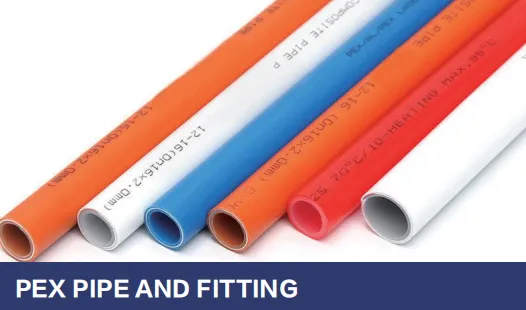
Before delving into the impact of local suppliers, it's essential to understand why PEX pipes have become a staple in construction. Short for cross-linked polyethylene, PEX is a flexible, durable plastic piping material that has revolutionized plumbing and heating systems worldwide. Unlike traditional materials like copper or galvanized steel, PEX pipes are lightweight, resistant to corrosion, and capable of withstanding extreme temperatures—qualities that make them ideal for Saudi Arabia's hot climate and varying water conditions.
Imagine a residential complex in Riyadh, where hundreds of families rely on consistent water flow for daily needs. Or a busy hospital in Jeddah, where uninterrupted hot water is critical for patient care. In both cases, PEX pipes deliver: their flexibility allows for easy installation around corners and tight spaces, reducing labor time and costs. Their resistance to scale buildup ensures long-term performance, minimizing maintenance issues for homeowners and facility managers. And their affordability compared to copper makes them a budget-friendly choice for large-scale projects—an important factor in meeting Vision 2030's goal of delivering affordable housing.
The shift from importing PEX pipes to manufacturing them locally is more than a logistical change—it's a statement of commitment to Vision 2030. A local PEX pipe and fitting supplier doesn't just sell products; they invest in the kingdom's future by:
A key strength of leading PEX pipe suppliers is their ability to serve as both residential building materials supplier and commercial building materials supplier , adapting their offerings to the unique needs of each sector.
In residential projects , such as housing complexes and villas, PEX pipes are used extensively for potable water systems, radiant floor heating, and even solar water heating connections. Homeowners benefit from quieter plumbing (no more clanging pipes!), lower energy bills (due to better heat retention), and peace of mind knowing their plumbing system is built to last. For developers, PEX pipes reduce installation time, allowing projects to be completed faster and handed over to families sooner—critical in meeting Vision 2030's housing targets.
In commercial settings , such as office buildings, malls, and hospitals, PEX pipes are valued for their scalability and reliability. A shopping center in Dammam, for example, requires a plumbing system that can handle high water pressure and constant use by thousands of visitors. PEX pipes deliver, withstanding pressure up to 160 psi and temperatures ranging from -40°C to 95°C. In hospitals, where hygiene is paramount, PEX's smooth inner surface resists bacterial growth, ensuring safe water delivery to patient rooms and operating theaters.
| Pipe Material | Cost (per meter) | Installation Time | Durability | Climate Suitability for Saudi Arabia |
|---|---|---|---|---|
| PEX | SAR 15–25 | Fast (flexible, no soldering) | 50+ years (corrosion-resistant) | Excellent (heat and chemical resistant) |
| Copper | SAR 40–60 | Slow (requires soldering) | 50+ years (prone to corrosion in hard water) | Good (but expensive and heavy) |
| UPVC | SAR 10–18 | Moderate (rigid, requires precise cutting) | 25–30 years (brittle in cold/hot extremes) | Fair (may warp in high heat) |
*Table comparing PEX pipes with traditional materials in Saudi Arabia's construction market. Costs are approximate and vary by project scale.
In today's fast-paced construction environment, developers and contractors don't just need a PEX pipe supplier—they need a partner who can meet all their material needs under one roof. This is where the concept of a one-stop architectural solution provider comes into play. Leading suppliers in Saudi Arabia are expanding their portfolios to include not just PEX pipes, but also complementary products like UPVC pipes, fittings, and even other building materials, creating a seamless experience for clients.
For example, a contractor working on a commercial mall might need PEX pipes for plumbing, UPVC pipes for drainage, and fittings that ensure compatibility between systems. By sourcing all these from a single supplier, they simplify logistics, reduce coordination efforts, and often secure bulk pricing discounts. This integrated approach not only saves time and money but also ensures consistency in quality across all materials—a critical factor in meeting project deadlines and regulatory requirements.
Consider a large-scale residential project in Dammam, where hundreds of units are being built. The developer needs reliable materials for plumbing, flooring, and even wall panels. A one-stop supplier can deliver PEX pipes for each unit's water system, UPVC pipes for waste management, and other essentials, ensuring that every component works together harmoniously. This level of convenience is invaluable in a market where efficiency is key to success.
To illustrate the impact of local PEX pipe suppliers, consider a hypothetical but representative example: a mid-sized supplier based in Riyadh that has been operating since 2018. Initially focused solely on importing PEX pipes, the company shifted to local manufacturing in 2020, investing in a state-of-the-art facility in the King Abdullah Economic City (KAEC). Today, it employs over 150 Saudi workers and supplies PEX pipes to major projects, including a 5,000-unit residential complex in Jeddah and a new hospital in Riyadh.
By producing locally, the company has reduced lead times from 8–10 weeks (for imports) to just 3–5 days, allowing contractors to accelerate construction schedules. It has also achieved SASO certification for its products, ensuring compliance with Saudi standards and giving clients confidence in their reliability. Most importantly, it has contributed to Vision 2030's job creation goals, with many of its employees now trained to supervise production lines and manage quality control—skills that will serve them throughout their careers.
As Saudi Arabia marches toward Vision 2030, the demand for innovative, locally produced building materials will only grow. PEX pipes, with their versatility and cost-effectiveness, are poised to play an even larger role in this journey. Local suppliers, by continuing to invest in technology, workforce development, and product diversification, will be at the forefront of this growth—turning the kingdom into a regional hub for construction material excellence.
PEX,,.,.
Ultimately, the story of PEX pipe suppliers in Saudi Arabia is a microcosm of Vision 2030 itself: a testament to the power of localization, innovation, and collaboration. By prioritizing local production, supporting communities, and delivering quality materials, these suppliers are not just building structures—they're building a stronger, more self-reliant Saudi Arabia.
Saudi Vision 2030 is more than a blueprint for economic diversification; it's a vision of a nation that builds for its people, by its people. In this journey, PEX pipe and fitting suppliers are not just vendors—they are partners, contributing to the infrastructure that will shape Saudi Arabia for generations to come. Through localization, innovation, and a commitment to quality, these suppliers are proving that even the smallest components (like a length of PEX pipe) can have a profound impact on a nation's future.
As the kingdom continues to grow, one thing is clear: the success of Vision 2030 depends on the strength of its local industries. And in the construction sector, that strength starts with suppliers who are dedicated to excellence, sustainability, and the shared goal of building a better Saudi Arabia.
Recommend Products












