
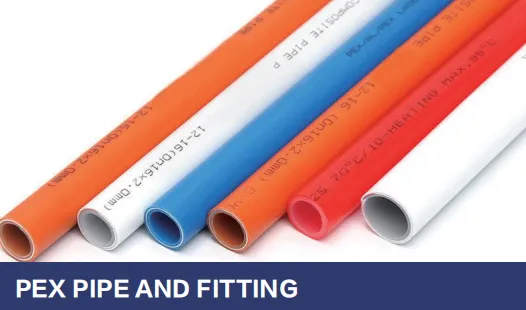
When you walk into a luxury hotel, your first impression might be the grand lobby, the soft lighting, or the aroma of fresh flowers. But behind that seamless experience lies a complex web of systems working tirelessly—none more critical than the plumbing. From the hot water in a guest's shower at 6 a.m. to the steady flow in the restaurant kitchen during dinner rush, a hotel's plumbing system is its silent backbone. And for developers and contractors, choosing the right materials and partners to build this backbone can make or break a project's success. Today, we're diving into why PEX pipe and fitting solutions have become the go-to choice for modern hotel construction, and how a reliable PEX pipe and fitting supplier can turn plumbing challenges into opportunities for excellence.
Hotel plumbing isn't like residential or even small commercial projects. Imagine managing a 300-room hotel where every guest expects instant hot water, every bathroom needs consistent pressure, and every kitchen sink must handle heavy-duty use—24 hours a day, 365 days a year. Add in specialty areas like spas with jetted tubs, laundry facilities processing hundreds of linens daily, and rooftop pools requiring constant circulation, and you've got a system under immense pressure. Failures here don't just mean leaks; they mean unhappy guests, costly repairs, and even reputational damage.
Traditional materials like copper or galvanized steel once dominated this space, but they come with trade-offs. Copper is durable but rigid, making it hard to navigate tight spaces in modern hotel layouts. It's also expensive and prone to corrosion over time, especially in areas with hard water. PVC DWV pipes, while affordable, lack the flexibility needed for complex routing and can't handle high-temperature water—critical for hotel showers and commercial kitchens. This is where PEX (cross-linked polyethylene) pipes step in: a material designed to meet the unique demands of high-usage, high-stakes environments like hotels.
If you're new to PEX, think of it as the "Swiss Army knife" of plumbing materials. Developed in the 1960s, PEX has evolved into a favorite for contractors thanks to its unique blend of flexibility, durability, and cost-effectiveness. Unlike rigid copper, PEX can bend around corners without elbows, reducing the number of joints (and potential leak points) in a system. It's resistant to scale buildup and corrosion, which means fewer clogs and longer lifespans in areas with mineral-heavy water. And when it comes to installation, PEX is lightweight and easy to cut, fitting into tight spaces like between floor joists or behind wall panels—perfect for hotels where every inch of space is precious.
But what really sets PEX apart for hotels is its adaptability. Whether you're routing pipes to a penthouse suite's rain shower or a basement laundry room's industrial washers, PEX handles both hot and cold water with ease, and its thermal expansion properties reduce the risk of burst pipes in temperature fluctuations. For hotel developers, this translates to faster installations, lower labor costs, and a system built to last decades—even under the strain of constant use.
| Material | Installation Time | Cost (Material + Labor) | Flexibility for Tight Spaces | Durability in High-Usage Areas | Resistance to Corrosion/Scale |
|---|---|---|---|---|---|
| PEX (Cross-Linked Polyethylene) | Fast (30-50% quicker than copper) | Moderate (Lower labor costs offset material expenses) | Excellent (Bends up to 90° without joints) | High (Withstands 24/7 use for 40+ years) | Superior (No rust or mineral buildup) |
| Copper | Slow (Requires soldering and precise measurements) | High (Expensive material + skilled labor) | Poor (Rigid; needs elbows for turns) | High (But prone to pinhole leaks over time) | Moderate (Susceptible to corrosion in hard water) |
| PPR (Polypropylene Random Copolymer) | Moderate (Fusion welding requires training) | Moderate-High (Similar to PEX but less flexible) | Moderate (Stiffer than PEX; limited bending) | Moderate (Good for hot water but less durable in cold) | Good (Resists corrosion but can scale in hard water) |
| PVC DWV | Fast (Glue-fit connections) | Low (Inexpensive material) | Poor (Rigid; designed for drain lines, not pressurized water) | Low (Not suitable for high-pressure or hot water) | Excellent (But only for cold, non-pressurized applications) |
Table 1: Comparing Plumbing Materials for Hotel Construction
Choosing PEX is just the first step. Even the best material falters if the supplier cuts corners. A truly valuable PEX pipe and fitting supplier does more than deliver products—they act as a project partner. Let's break down what that looks like in practice.
No two hotels are the same. A boutique hotel with 50 rooms has different needs than a sprawling resort with 500 suites, spas, and conference centers. A good supplier takes the time to understand your project's specifics: Are there historic building constraints? Does the hotel prioritize sustainability (PEX is 100% recyclable, by the way)? What's the timeline for completion? For example, when working on a luxury beachfront hotel in Saudi Arabia last year, a leading PEX supplier recommended insulated PEX pipes for outdoor areas to prevent heat loss in the desert sun—saving the client from costly energy bills down the line.
Hotel plumbing layouts can get complicated. Picture routing pipes from a central boiler room up 15 floors, around elevator shafts, and into individual guest bathrooms—all while avoiding electrical wiring and HVAC ducts. A knowledgeable supplier provides on-site support, helping contractors design efficient layouts that minimize material waste and installation time. They'll also train your team on proper fitting techniques (like crimp vs. clamp connections) to ensure every joint is leak-proof. This level of support isn't just helpful; it's critical for staying on schedule.
Hotel projects run on tight timelines. A delay in pipe deliveries can hold up framing, drywall, and even interior design. A reliable PEX pipe and fitting supplier maintains consistent inventory and offers flexible delivery schedules, ensuring materials arrive exactly when you need them. They also adhere to strict quality standards—look for suppliers whose products meet ASTM F876/F877 (the gold standard for PEX) and NSF/ANSI 61 certification for safe drinking water. This consistency means fewer callbacks, fewer replacements, and peace of mind for everyone involved.
Let's take a closer look at how PEX transforms specific hotel areas, turning potential headaches into smooth operations.
Guests expect hot water on demand, and PEX delivers. Its ability to maintain consistent temperature over long runs means the guest in Room 101 and the guest in Room 1503 both get 120°F water in seconds. PEX's flexibility also allows for "home run" systems, where each fixture (shower, sink, toilet) has its own line from the manifold. This design reduces pressure drops, so if someone flushes a toilet while another showers, there's no sudden temperature spike—a common complaint in hotels with outdated plumbing.
Hotel kitchens are war zones for plumbing. Dishwashers, prep sinks, and steam ovens demand high flow rates and heat resistance. PEX handles water temperatures up to 200°F, making it ideal for commercial dishwashers. In laundry rooms, where pipes endure constant cycles of hot water and detergents, PEX's chemical resistance prevents degradation—unlike copper, which can corrode when exposed to bleach and fabric softeners.
Spas and pools require pipes that can withstand chlorine, saltwater, and humidity. PEX is naturally resistant to these elements, and its flexibility makes it easy to route around pool decks and into custom jet systems. One luxury resort in Dubai recently used PEX for their infinity pool circulation system, noting that installation took 40% less time than with traditional PVC, and maintenance costs have dropped by 30% in the first year.
Consider the example of a 250-room business hotel in Riyadh, Saudi Arabia, scheduled to open during peak conference season. The project was running two weeks behind due to delays in steel framing, and the plumbing contractor was panicking—they needed to install 10,000 feet of pipe in just 30 days to meet the opening date. The original plan called for copper, but the team realized it would be impossible to solder that much pipe in such a short time.
Enter their PEX pipe and fitting supplier. The supplier quickly provided a customized solution: color-coded PEX pipes (red for hot, blue for cold) to simplify installation, manifold systems to reduce the number of connections, and a team of technical advisors to train the crew on quick-connect fittings. The result? The plumbing was completed in 22 days—8 days ahead of the revised schedule. The hotel opened on time, and a year later, the maintenance team reports zero leaks and 15% lower energy costs compared to similar hotels with copper systems.
Not all suppliers are created equal. When selecting a PEX partner for your hotel project, keep these key factors in mind:
At the end of the day, hotel plumbing isn't just about pipes and fittings—it's about guest satisfaction. A cold shower or a clogged sink can turn a 5-star review into a 1-star complaint. PEX pipe and fitting solutions offer the reliability, flexibility, and efficiency hotels need to deliver consistent comfort, while a great supplier turns those solutions into a seamless experience for your team. So whether you're building a boutique hotel in Riyadh or a resort in Bali, remember: the right plumbing partner isn't just a vendor—they're an investment in your hotel's success.
In a world where guests demand perfection, PEX pipe and fitting suppliers are helping hotels deliver—one leak-free connection at a time.
Recommend Products












