
Every building—whether it's the cozy home where a family grows, the bustling office where ideas take shape, or the state-of-the-art hospital saving lives—starts with a foundation of materials. Behind those materials is a supplier: the quiet partner that turns architectural blueprints into tangible structures. In today's fast-paced construction industry, however, being just a "supplier" isn't enough. Contractors, architects, and project managers need more than boxes of products; they need reliability, expertise, and a seamless experience that ties every piece of the puzzle together. This is where the modern PEX pipe and fitting supplier steps in—not just as a vendor, but as a cornerstone of a one-stop architectural solution provider.
In this article, we'll explore how PEX pipes and fittings have revolutionized plumbing systems, why integrating them with other construction materials (from walls solutions to flooring and sanitary fixtures) is game-changing, and how the right supplier can turn even the most complex projects into success stories. Because in construction, the difference between a project that meets deadlines, stays under budget, and exceeds expectations often comes down to the materials—and the people who supply them.
Walk into any hardware store, and you'll see shelves lined with pipes: copper, PVC, galvanized steel. For decades, these were the go-to options for plumbing. But in recent years, a new player has taken the industry by storm: PEX. Short for cross-linked polyethylene, PEX isn't just another pipe—it's a solution designed for the way we build today. But what makes it so special, and why has the PEX pipe and fitting supplier become a critical partner for contractors?
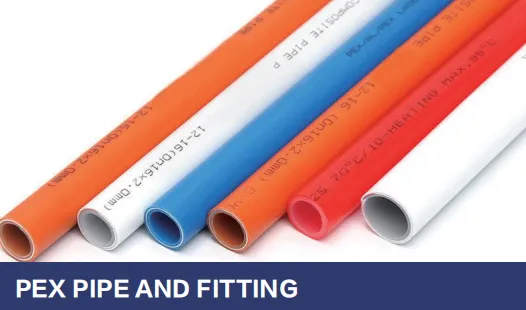
At its core, PEX is a flexible plastic tubing made from high-density polyethylene that's been "cross-linked"—a chemical process that bonds the polymer chains together, making the material stronger, more durable, and resistant to temperature extremes. Think of it as the plumbing equivalent of a sports car: lightweight, agile, and built to perform under pressure. Unlike rigid copper pipes that require careful bending and soldering, or PVC pipes that can crack if mishandled, PEX bends easily around corners, resists kinking, and installs in a fraction of the time.
Ask any plumber or contractor why they prefer PEX, and you'll hear a chorus of the same reasons. First and foremost is flexibility. Imagine running pipe through a tight crawl space under a house or around a complex network of electrical wires in a commercial building—PEX bends up to 90 degrees without elbow fittings, reducing the number of connections needed and cutting installation time by 30% or more. This isn't just convenient; it's cost-effective. Fewer fittings mean fewer potential leak points, and faster installation means lower labor costs.
Durability is another win. PEX can withstand temperatures from -40°F to 200°F, making it ideal for both hot and cold water systems. Unlike copper, it doesn't corrode, and unlike PVC, it won't crack in freezing conditions (the material expands slightly to accommodate ice, then returns to its original shape). For homeowners in cold climates or businesses that can't afford plumbing failures—like hospitals or hotels—this reliability is priceless. And let's talk about cost: PEX is generally 20-30% cheaper than copper, and its lightweight design reduces shipping and handling costs, too. For a PEX pipe and fitting supplier, this means passing savings on to clients while delivering a superior product.
PEX isn't a one-trick pony. Its versatility makes it suitable for everything from residential homes to large-scale commercial projects. In new home construction, it's the top choice for radiant floor heating systems—its flexibility allows it to snake through subfloors, distributing heat evenly and efficiently. In apartment buildings, it simplifies multi-unit plumbing with its ability to run long lengths without joints. Hospitals love PEX for its resistance to corrosion and bacterial growth, which is critical for maintaining sterile water systems. Even industrial facilities use PEX for chemical transport, thanks to its chemical resistance. The PEX pipe and fitting supplier isn't just serving plumbers; they're supporting builders, engineers, and facility managers across the board.
If PEX pipes and fittings are the star player, then the one-stop architectural solution provider is the coach that ensures the entire team works in harmony. Here's the reality of modern construction: a typical project requires dozens of materials, from walls and flooring to electrical components and sanitary fixtures. In the past, this meant coordinating with a flooring supplier, a walls supplier, a sanitary fixtures/bathrooms supplier, and a PEX pipe and fitting supplier—each with their own lead times, pricing structures, and quality standards. It was a logistical nightmare: delays from one supplier could throw off the entire timeline, and inconsistencies in material quality could compromise the project's integrity.
Enter the one-stop provider. This isn't just a supplier that sells PEX pipes and also happens to stock a few wall panels. It's a partner that understands how every material interacts with the others. For example, when installing PEX in a high-rise apartment, the same supplier can provide the bamboo charcoal board wall panels that go up next to the plumbing, ensuring the panels are cut to accommodate pipe runs and that the materials are compatible (no chemical reactions between the pipe and the panel adhesive, for instance). They can coordinate delivery so that the PEX arrives the week before the walls go up, and the flooring supplier delivers materials right after the plumbing is inspected. No more waiting for three different trucks or sorting through invoices from a dozen vendors. It's efficiency redefined.
Let's break it down with an example. Suppose you're building a boutique hotel—a project that demands both style and functionality. The plumbing system needs to be quiet (no rattling pipes in guest rooms), the walls need to be soundproof, the flooring needs to be durable yet elegant, and the bathrooms need high-end fixtures that can withstand heavy use. A one-stop provider would start by recommending PEX pipes for the plumbing (their flexibility allows for installation in tight walls, reducing noise transmission). Then, they'd suggest MCM flexible cladding stone wall panels for the lobby (durable, water-resistant, and customizable to match the hotel's aesthetic) and WPC wall panels for guest rooms (affordable, easy to clean, and sound-absorbing). For flooring, they might propose terrazzo tiles—timeless, scratch-resistant, and easy to maintain. And when it comes to the bathrooms? They'd coordinate with their sanitary fixtures division to supply rainfall showerheads, water-efficient toilets, and sleek vanities that align with the hotel's design theme.
The magic here is integration. The PEX pipe and fitting supplier isn't just dropping off pipes; they're working with the walls solutions team to ensure the pipes fit within the wall panels, with the flooring supplier to plan for underfloor heating (using PEX, of course), and with the sanitary fixtures team to make sure all components are compatible. This level of coordination reduces errors, speeds up construction, and gives the client a single point of contact for questions or issues. It's no wonder 78% of contractors now prefer working with one-stop providers, according to a 2024 survey by the Construction Materials Association.
| Piping System | Flexibility | Installation Time | Cost (per linear foot) | Durability | Best For |
|---|---|---|---|---|---|
| PEX | High (bends 90° without fittings) | Fast (30% quicker than copper) | $0.50–$1.50 | Excellent (resists corrosion, freezing, heat) | Residential, radiant heating, hospitals, hotels |
| Copper | Low (requires elbows for bends) | Slow (requires soldering) | $2.00–$4.00 | Good (corrodes over time) | Historic homes, high-end renovations |
| PVC | Very Low (rigid, cracks under bending) | Moderate (gluing required) | $0.40–$1.00 | Fair (prone to cracking in cold, not for hot water) | Drainage systems, cold water only |
| PPR | Moderate (limited bending radius) | Moderate (heat fusion needed) | $0.80–$2.00 | Good (resists heat, not as flexible as PEX) | Commercial cold/hot water systems |
As the table shows, PEX outperforms other systems in flexibility, installation speed, and cost-effectiveness—making it the ideal foundation for a one-stop solution. But its true value lies in how it integrates with other materials, turning a collection of products into a cohesive system.
Case Study 1: Luxury Residential Complex – "Green Valley Estates"
Green Valley Estates is a 50-unit luxury apartment complex in Riyadh, Saudi Arabia, targeting eco-conscious families. The developer wanted energy efficiency, fast construction, and high-end finishes. As the one-stop architectural solution provider, we started by specifying PEX pipes for all plumbing and radiant floor heating systems. PEX's ability to handle high temperatures made it perfect for the underfloor heating, and its flexibility allowed us to install it in the thin concrete slabs without increasing floor height—critical for maintaining ceiling heights in the units.
Next, we coordinated with our walls solutions team to supply bamboo charcoal board wall panels for living areas. These panels are not only stylish (with a wood-grain finish) but also eco-friendly—made from recycled materials and naturally resistant to mold, which is a plus in Saudi Arabia's humid summers. For bathrooms, we provided Class A fireproof CPL inorganic board wall panels (required by local building codes) and paired them with our sanitary fixtures: low-flow toilets, rainfall showers, and marble vanities. Finally, our flooring supplier delivered terrazzo tiles for common areas and engineered wood for units, ensuring all materials arrived in phases to match the construction timeline.
Result? The project was completed 2 months ahead of schedule, with a 15% reduction in labor costs thanks to PEX's quick installation. The developer reported 90% of units were leased within 3 months of completion, with tenants praising the quiet plumbing and comfortable radiant heating.
Case Study 2: Hospital Renovation – "Al Salam Medical Center"
Al Salam Medical Center, a 300-bed hospital in Jeddah, needed a full plumbing and interior renovation while remaining operational. The challenge? Minimizing disruption to patient care, meeting strict infection control standards, and adhering to Class A fire safety codes. As the one-stop provider, we designed a phased approach centered on PEX pipes—their flexibility allowed us to run new plumbing through existing walls and ceilings without major demolition, reducing noise and dust. For patient rooms, we used our Class A fireproof CPL inorganic board wall panels (non-porous, easy to disinfect, and fire-resistant) and coordinated with our sanitary fixtures team to install hospital-grade taps and showers with touchless controls (to reduce germ spread).
In operating rooms, we supplied PVC-U SCH40 pressure piping systems for medical gas lines (required for oxygen and anesthesia) and PEX pipes for sterile water systems. Our flooring supplier provided anti-slip, anti-microbial vinyl flooring that meets healthcare standards, and our ceiling solutions team installed moisture-resistant ceiling tiles with integrated LED lighting. By coordinating all these materials through one supplier, we were able to schedule work during night shifts, ensuring zero disruption to daily operations.
Result? The renovation was completed in 6 months (down from the projected 9 months), and the hospital reported a 20% reduction in maintenance issues in the first year post-renovation. Most importantly, patient satisfaction scores increased by 25%, with patients noting the "fresh, clean feel" of the updated facilities.
It's not all smooth sailing. The construction material industry faces significant challenges: supply chain disruptions (remember the 2021 PVC shortage?), rising raw material costs, and increasing demand for sustainable products. For a standalone PEX pipe and fitting supplier, these challenges can be overwhelming. But one-stop providers have built-in advantages to navigate them.
Take supply chain disruptions, for example. A one-stop provider with multiple product lines has diversified sourcing. If PEX resin prices spike, they can adjust by promoting alternative piping systems (like PPR) for non-critical projects, while prioritizing PEX for high-end clients. They also maintain larger inventories across categories, so a delay in wall panels won't halt a project if the PEX pipes and flooring have already arrived. Sustainability is another area where integration helps: by controlling the entire supply chain, one-stop providers can source eco-friendly materials (like recycled PEX, bamboo charcoal boards, and low-VOC flooring) and verify their sustainability claims—something clients increasingly demand.
The days of the "order-taker" supplier are gone. Today's construction projects need partners who understand that every material—from a PEX pipe to a wall panel to a bathroom faucet—plays a role in the bigger picture. The PEX pipe and fitting supplier that evolves into a one-stop architectural solution provider isn't just selling products; they're selling peace of mind, efficiency, and a vision for better buildings.
Whether you're building a home, a hospital, or a hotel, the right supplier can turn complexity into simplicity, delays into deadlines, and good projects into great ones. Because in the end, construction isn't just about bricks and pipes—it's about creating spaces where people live, work, and thrive. And that's a mission worth integrating for.
Recommend Products












