
When we think about buildings—whether the cozy home we return to each night, the bustling office where ideas spark, or the state-of-the-art hospital saving lives—we rarely pause to appreciate the unsung hero working behind the scenes: plumbing. It's the silent network that brings clean water in and takes waste out, and at the heart of that network are the materials that make it all possible. Among these, PEX (cross-linked polyethylene) pipes and fittings have quietly revolutionized the industry, offering flexibility, durability, and ease of installation that older materials like copper or galvanized steel simply can't match. But for PEX pipe and fitting suppliers, the journey doesn't end with manufacturing a great product. The future of plumbing material supply chains is being shaped by sweeping changes—sustainability demands, digital innovation, and evolving regional needs—and suppliers who adapt will be the ones building tomorrow's world. Let's dive into what this future looks like, and how PEX pipe and fitting suppliers are leading the charge.
Before we look ahead, let's ground ourselves in the present. PEX pipes have become a go-to choice for plumbers, contractors, and builders over the past decade—and for good reason. Unlike rigid PVC or copper, PEX is flexible, which means it can bend around corners without the need for elbow fittings, reducing installation time and labor costs. It's also resistant to corrosion, scale buildup, and freezing temperatures (thanks to its ability to expand slightly without cracking), making it ideal for both residential and commercial projects. Add in its compatibility with both hot and cold water systems, and it's no wonder that PEX pipe and fitting suppliers have seen a surge in demand, especially in fast-growing markets like Saudi Arabia, where construction of new homes, offices, and infrastructure is booming.
But being a PEX pipe and fitting supplier today isn't just about producing pipes. It's about understanding the unique challenges of modern supply chains. Raw material costs—like the polyethylene resins used in PEX—can fluctuate wildly due to global market trends or geopolitical tensions. Shipping delays, a lingering effect of the pandemic, can throw project timelines off track. And with stricter building codes emerging worldwide (think higher efficiency standards or fire safety regulations), suppliers must stay ahead of compliance requirements to keep their products viable. For example, in regions like Saudi Arabia, where large-scale commercial projects dominate, a PEX pipe and fitting supplier must not only meet local quality standards but also ensure timely delivery to avoid costly construction delays. It's a balancing act that requires agility, foresight, and a deep commitment to customer partnerships.
If there's one trend reshaping every industry, it's sustainability—and plumbing is no exception. Today's builders, architects, and even homeowners aren't just asking, "Does this pipe work?" They're asking, "Is this pipe good for the planet?" For PEX pipe and fitting suppliers, this means rethinking everything from raw materials to production processes to end-of-life disposal.
Traditional PEX production relies on virgin polyethylene, but forward-thinking suppliers are now experimenting with recycled content. Imagine a PEX pipe made with 30% post-consumer recycled plastic—still just as strong and flexible, but with a significantly lower carbon footprint. Some suppliers are even exploring bio-based polyethylene, derived from renewable resources like sugarcane, to further reduce reliance on fossil fuels. And it's not just about the pipes themselves: PEX pipe and fitting solutions are also evolving to include recyclable packaging, or even take-back programs where old pipes are collected, recycled, and turned into new products. This "circular economy" approach isn't just good for the environment—it's good for business. Builders and developers in Saudi Arabia, for instance, are increasingly prioritizing LEED-certified projects, and partnering with a sustainable PEX supplier can help them meet those green building goals.
Sustainability also starts at the factory floor. PEX pipe and fitting suppliers are investing in energy-efficient manufacturing processes, like using solar power to run production lines or optimizing heating and cooling systems to reduce waste. For example, one leading supplier in Europe recently upgraded its extrusion machines to use 20% less energy per meter of PEX pipe produced. The result? Lower operational costs and a smaller carbon footprint—proving that sustainability and profitability can go hand in hand.
If sustainability is the "why" of future supply chains, digitalization is the "how." The days of relying on spreadsheets, phone calls, and gut instinct to manage inventory or forecast demand are fading fast. Today's PEX pipe and fitting suppliers are turning to cutting-edge technology to streamline operations, reduce costs, and deliver better service to their customers.
Ever wonder how a supplier knows to stock up on PEX fittings before a construction boom hits? Increasingly, the answer is artificial intelligence (AI). By analyzing historical sales data, seasonal trends, and even local construction permits, AI algorithms can predict demand with accuracy. For example, a PEX pipe and fitting supplier serving the Saudi Arabian market might use AI to forecast a spike in orders ahead of the country's annual building season (typically during cooler months), ensuring they have enough inventory on hand to avoid stockouts. This not only keeps customers happy but also reduces the risk of overstocking, which ties up capital and leads to waste.
Transparency is another area where digital tools are making a difference. Builders and contractors want to know where their materials come from, whether they meet quality standards, and if they're ethically sourced. Blockchain technology—best known for powering cryptocurrencies—is now being used to create immutable records of a PEX pipe's journey, from raw material extraction to manufacturing to delivery. A quick scan of a QR code on a pipe bundle can tell a contractor which batch the pipe came from, when it was produced, and even the carbon footprint of its manufacturing process. This level of transparency not only builds trust but also helps suppliers quickly trace and recall products if issues arise—critical for maintaining safety and compliance.
The Internet of Things (IoT) is also playing a role, with sensors placed in warehouses to monitor inventory levels in real time. When stock of a popular PEX fitting dips below a certain threshold, the system automatically sends an alert to the supplier's purchasing team, triggering a reorder. This "just-in-time" inventory approach reduces storage costs and ensures that products are always available when customers need them. In Saudi Arabia, where logistics can be challenging due to vast distances between cities, this kind of efficiency is a game-changer for PEX pipe and fitting suppliers looking to serve remote construction sites.
Gone are the days of one-size-fits-all plumbing materials. Today's projects—whether a luxury hotel in Riyadh, a high-tech hospital, or a eco-friendly residential complex—have unique requirements, and PEX pipe and fitting suppliers are responding with customized solutions.
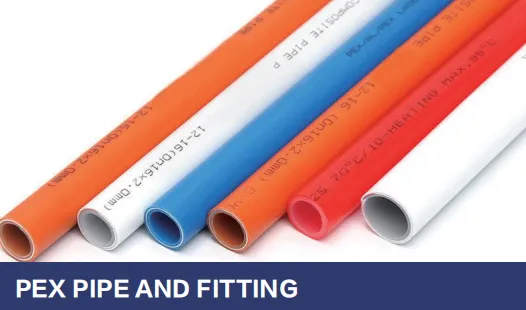
For example, hospitals demand pipes that are not only durable but also resistant to bacteria growth and easy to clean. A PEX pipe and fitting supplier might develop a specialized PEX variant with an antimicrobial coating to meet these needs. Similarly, in commercial kitchens, where temperatures can fluctuate dramatically, suppliers are creating PEX pipes rated for higher heat resistance. Even in residential settings, homeowners are asking for color-coded PEX pipes (red for hot water, blue for cold) to simplify installation and maintenance—a small customization that adds big value for plumbers.
Customization also extends to packaging and delivery. A large-scale contractor might need PEX pipes pre-cut to specific lengths to speed up installation, while a small local plumber might prefer smaller, more manageable bundles. Suppliers are offering flexible ordering options, from bulk deliveries to "kits" that include pipes, fittings, and even installation tools—all tailored to the customer's project size and timeline. In Saudi Arabia, where many construction projects are massive (think skyscrapers or entire new cities), this kind of customization is becoming a key differentiator for PEX pipe and fitting suppliers.
Plumbing material supply chains are global, but the demand is local. Nowhere is this more true than in regions like Saudi Arabia, which is undergoing a construction boom as part of its Vision 2030 initiative. The country is investing billions in new infrastructure, from airports and seaports to residential communities and entertainment hubs, and this growth is creating unique opportunities—and challenges—for PEX pipe and fitting suppliers.
For starters, Saudi Arabia's climate is harsh: extreme temperatures, high humidity, and occasional sandstorms. PEX pipes, with their resistance to heat and corrosion, are well-suited to these conditions, but suppliers must ensure their products meet local standards (like the Saudi Standards, Metrology and Quality Organization, or SASO). This might mean testing pipes under higher temperature stress or adding UV protection to prevent degradation from intense sunlight.
Logistics are another hurdle. Getting materials to remote construction sites in the desert requires a robust distribution network, including local warehouses and reliable transportation partners. Many PEX pipe and fitting suppliers are responding by establishing regional offices or partnering with local distributors in Saudi Arabia, allowing them to offer faster delivery times and better customer support. It's a strategy that not only improves service but also helps suppliers build long-term relationships with contractors and developers in the region.
To understand why PEX is leading the charge in future plumbing trends, it helps to see how it compares to other common materials. Below is a breakdown of PEX, PPR (polypropylene random copolymer), and traditional PVC pipes—three staples in the plumbing industry—across key metrics:
| Material | Flexibility | Temperature Resistance | Sustainability | Typical Applications | Cost (Relative) |
|---|---|---|---|---|---|
| PEX | High (bends easily, fewer fittings needed) | Up to 200°F (93°C) for hot water; resists freezing | Improving (recycled content options, energy-efficient production) | Residential plumbing, radiant heating, commercial buildings | Moderate (higher than PVC, lower than copper) |
| PPR | Low (rigid, requires more fittings) | Up to 212°F (100°C), good for high-temperature systems | Good (recyclable, low toxic emissions) | Industrial plumbing, hot water lines, chemical transport | High (similar to PEX, but higher installation costs due to rigidity) |
| PVC | Low (rigid, brittle in cold temperatures) | Up to 140°F (60°C); not ideal for hot water | Fair (recyclable but limited to certain applications; production emits dioxins) | Drainage systems, cold water lines, irrigation | Low (cheapest upfront, but higher long-term maintenance costs) |
As the table shows, PEX strikes a balance between performance, sustainability, and cost that makes it a versatile choice for modern projects. And as PEX pipe and fitting suppliers continue to innovate—adding recycled materials, improving temperature resistance, and reducing installation complexity—this balance is only likely to tip further in PEX's favor.
Let's take a closer look at how these trends are playing out on the ground. Consider a mid-sized PEX pipe and fitting supplier based in Riyadh, Saudi Arabia, serving both residential and commercial clients. Five years ago, the company relied on manual inventory tracking, imported all raw materials from Europe, and offered a one-size-fits-all product line. Today, it's a different story:
The result? Revenue has grown by 55% in three years, and the supplier has become a preferred partner for major projects like the Riyadh Metro expansion and new hospital complexes. It's a clear example of how adapting to future trends can transform a business—and the plumbing industry as a whole.
So, what does the future hold for PEX pipe and fitting suppliers beyond the trends we've explored? If we had to sum it up in one word, it would be "integration." The lines between plumbing, technology, and sustainability are blurring, and suppliers that can integrate these elements into their offerings will thrive.
For example, imagine PEX pipes embedded with sensors that monitor water flow, pressure, and temperature in real time, sending data to a smart home system or building management platform. If a leak is detected, the system could automatically shut off the water and alert the homeowner or maintenance team—preventing costly damage. PEX pipe and fitting suppliers are already experimenting with this kind of "smart pipe" technology, and we can expect to see it become mainstream in the next decade.
There's also the rise of modular construction—prefabricated building components assembled off-site—to consider. This trend is gaining traction in Saudi Arabia and beyond, as it speeds up construction timelines and reduces waste. PEX pipe and fitting suppliers will need to adapt by offering pre-cut, pre-assembled pipe kits tailored to modular units, ensuring a seamless fit when components are transported to the job site.
Finally, collaboration will be key. The future of plumbing supply chains isn't about suppliers working in isolation; it's about partnerships with raw material producers, technology providers, contractors, and even policymakers. By working together, these stakeholders can drive innovation, set new sustainability standards, and ensure that plumbing materials keep pace with the needs of a changing world.
Plumbing might not be the most glamorous topic, but it's the backbone of the buildings that shape our lives. And at the center of that backbone are PEX pipe and fitting suppliers—companies that are quietly innovating to meet the demands of sustainability, digitalization, and customization. From Saudi Arabia's construction boom to the global push for greener buildings, these suppliers are proving that they're more than just manufacturers; they're partners in building a better, smarter, more sustainable future.
So the next time you turn on the tap or step into a warm shower, take a moment to appreciate the PEX pipes working behind the scenes. And remember: the future of those pipes—and the supply chains that deliver them—is in good hands.
Recommend Products












